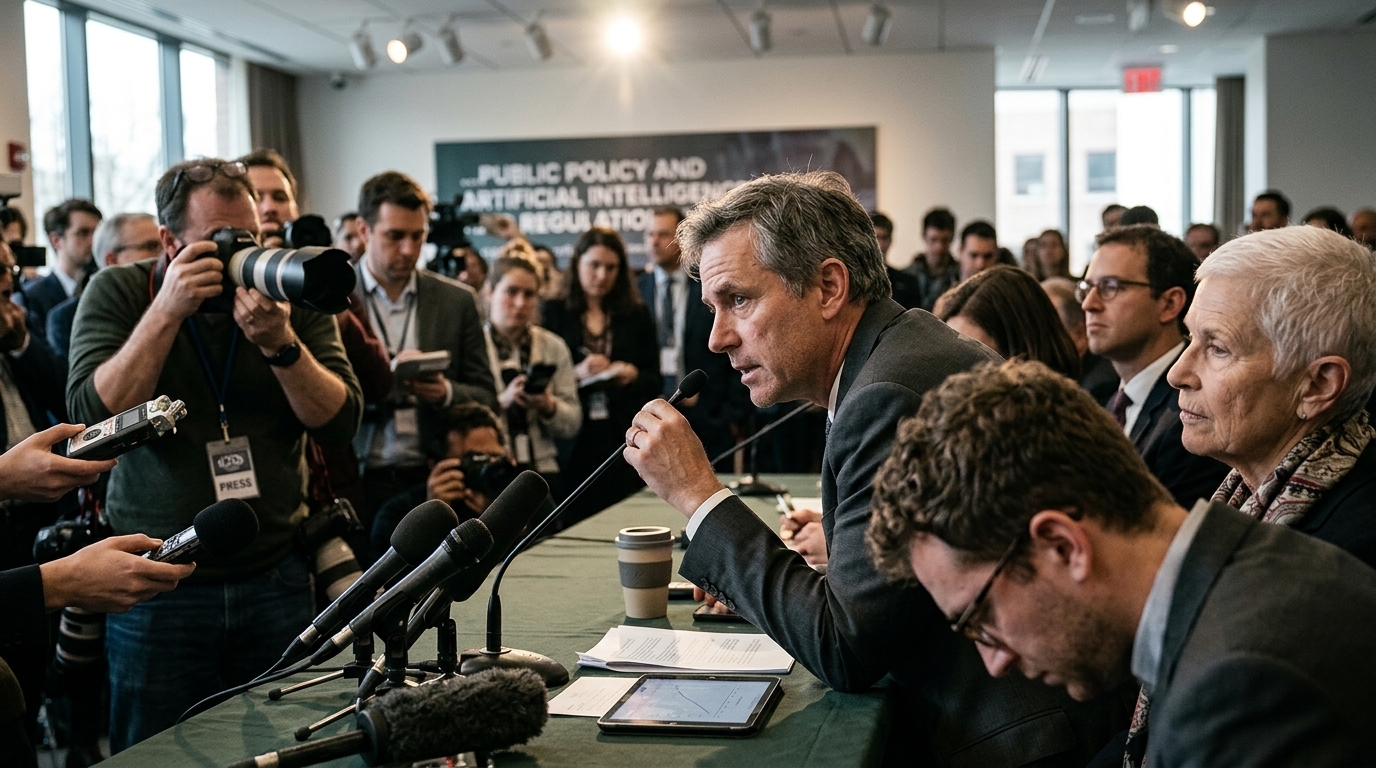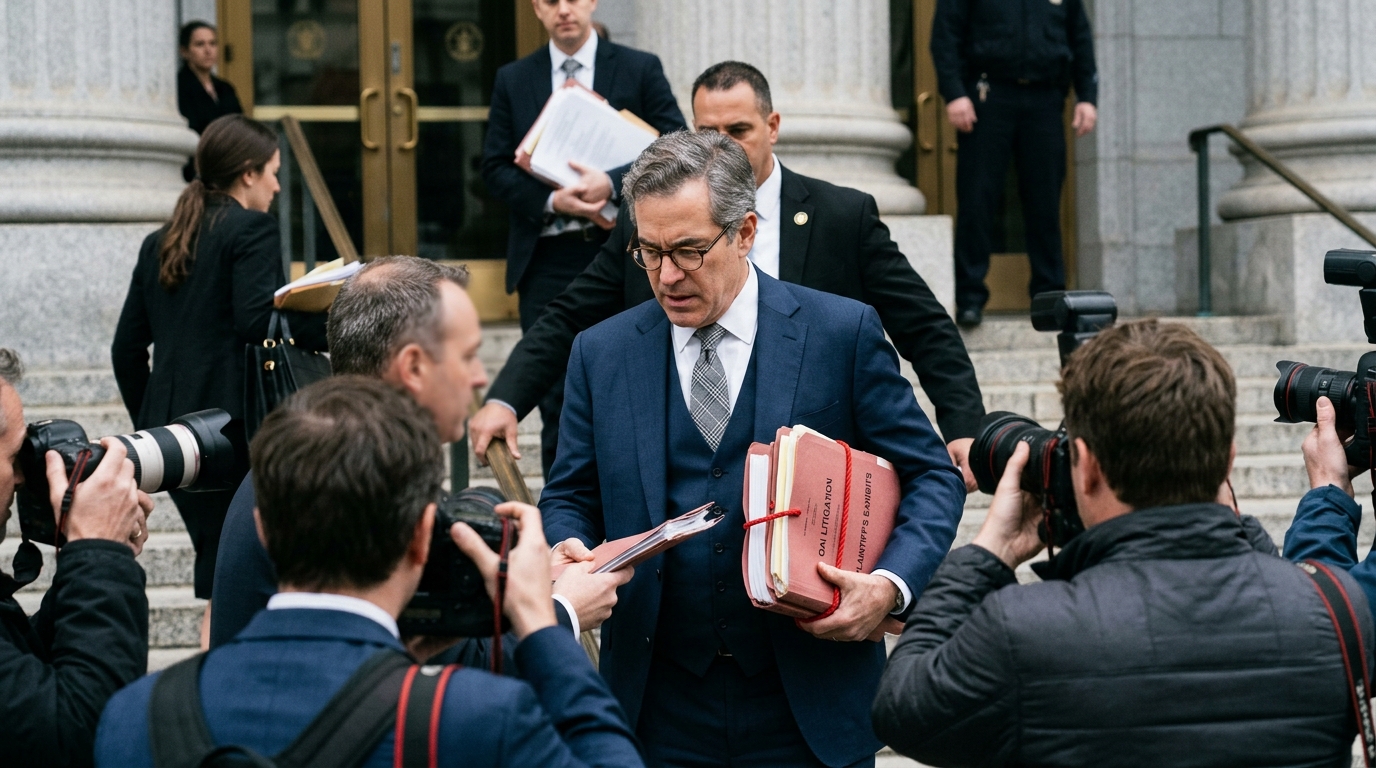
May 19, 2026, will be remembered in tech history as the day legal reality collided with the vision of "open" artificial intelligence. With the conclusion of the high-stakes trial between Elon Musk and the leadership of OpenAI, the court issued a ruling that not only exonerates Sam Altman and Greg Brockman but also redefines the framework within which cutting-edge technologies will be developed for decades to come. Musk's defeat is not merely the personal failure of a billionaire; it is the validation of "pragmatism" over the original promise of a non-profit, universally accessible intelligence.
The Anatomy of a Foretold Conflict
Musk's lawsuit was built on the claim that OpenAI breached a "founding agreement" established in 2015. According to Musk, the company had committed to developing Artificial General Intelligence (AGI) for the benefit of humanity, remaining untainted by commercial interests. However, OpenAI’s legal team, comprised of top Silicon Valley litigators, successfully demonstrated that no such formal, written agreement existed in a legally binding contractual sense. Email exchanges and verbal promises, however heroic they sounded, were insufficient to bind a company that required billions of dollars in compute power to survive.
Michelle Kim, the legal reporter and attorney who covered the trial for MIT Technology Review, noted that OpenAI’s strategy was masterfully executed. Instead of denying the shift toward profit, they admitted that the scale of their mission required capital that only Microsoft and the open market could provide. The court accepted that OpenAI’s board had the right to adapt the company’s structure to ensure its viability and continued existence in a hyper-competitive landscape.
The Fall of Idealism and the Rise of Capped-Profit
The trial brought to light internal documents that revealed the depth of the rift between the founders. We saw a Musk who demanded absolute control to "save humanity" and an Altman who chose an alliance with software giants to reach the finish line first. The judge's decision highlights a harsh truth: in the world of big tech, moral commitments are often secondary to the requirements of the capital markets. The "capped-profit" structure adopted by OpenAI was deemed legal, paving the way for other startups to follow similar hybrid models.
- The lack of a binding contract was the "key" to dismissing Musk’s claims.
- Microsoft remains the big winner, as its investment in OpenAI is now legally shielded from such challenges.
- The concept of "open source" in AI is being redefined as an optional choice rather than an obligation.
"You cannot build God in a garage with donations. You need the capital of capitalism to achieve transcendence," was a sentiment echoed during the final arguments.
Implications for the Future of AI Governance
Beyond the financial aspect, this trial sets a significant precedent for AI governance. If a company can alter its statutory purpose at will, who guarantees that safety measures won't be sacrificed on the altar of faster development? Sam Altman emerges from the courtroom stronger than ever, possessing the full confidence of investors, but OpenAI's public image as a "charitable foundation" has permanently collapsed. OpenAI is now viewed as what it truly is: a tech titan in direct competition with Google and Anthropic.
For Elon Musk, this defeat means that his own AI venture, xAI, must now prove its worth in the market without relying on the legal weakening of its rival. His rhetoric regarding "humanity's safety" will continue to be heard, but after this ruling, it will sound more like the grievance of a shareholder who missed his chance rather than a moral intervention. The industry is moving forward, and the question is no longer whether AI will be free, but who will hold the keys to the closed code that controls it.