In the heart of the American Midwest, the political battle for the Wisconsin governorship is taking an unexpected turn toward high-tech regulation. Mandela Barnes, the Democratic candidate for governor, has introduced a bold proposal: a comprehensive ban on the use of Artificial Intelligence (AI) tools for price-setting in essential goods and services, with a particular focus on residential rents and basic commodities. This move is not merely a local political initiative; it reflects a burgeoning global concern over how algorithms can manipulate markets at the expense of the average citizen.
The Rise of Algorithmic Collusion
For decades, economic theory was built on the premise that prices are determined by supply and demand in a competitive environment. However, the advent of AI has fundamentally altered this landscape. According to Barnes’ proposal, corporations are now utilizing sophisticated software that analyzes vast datasets to adjust prices in real-time. The issue, the candidate argues, is that when multiple competitors use the same underlying algorithm, the result is a form of "digital cartel."
In the housing sector, for example, platforms like RealPage have been accused of allowing landlords to coordinate rent hikes without ever needing to communicate directly. The algorithm "suggests" a price, and everyone follows suit, effectively eliminating the competition that would otherwise keep rents affordable. Barnes contends that this "black box" pricing robs Wisconsin residents of their right to a fair and transparent market.
Political Strategy and Economic Populism
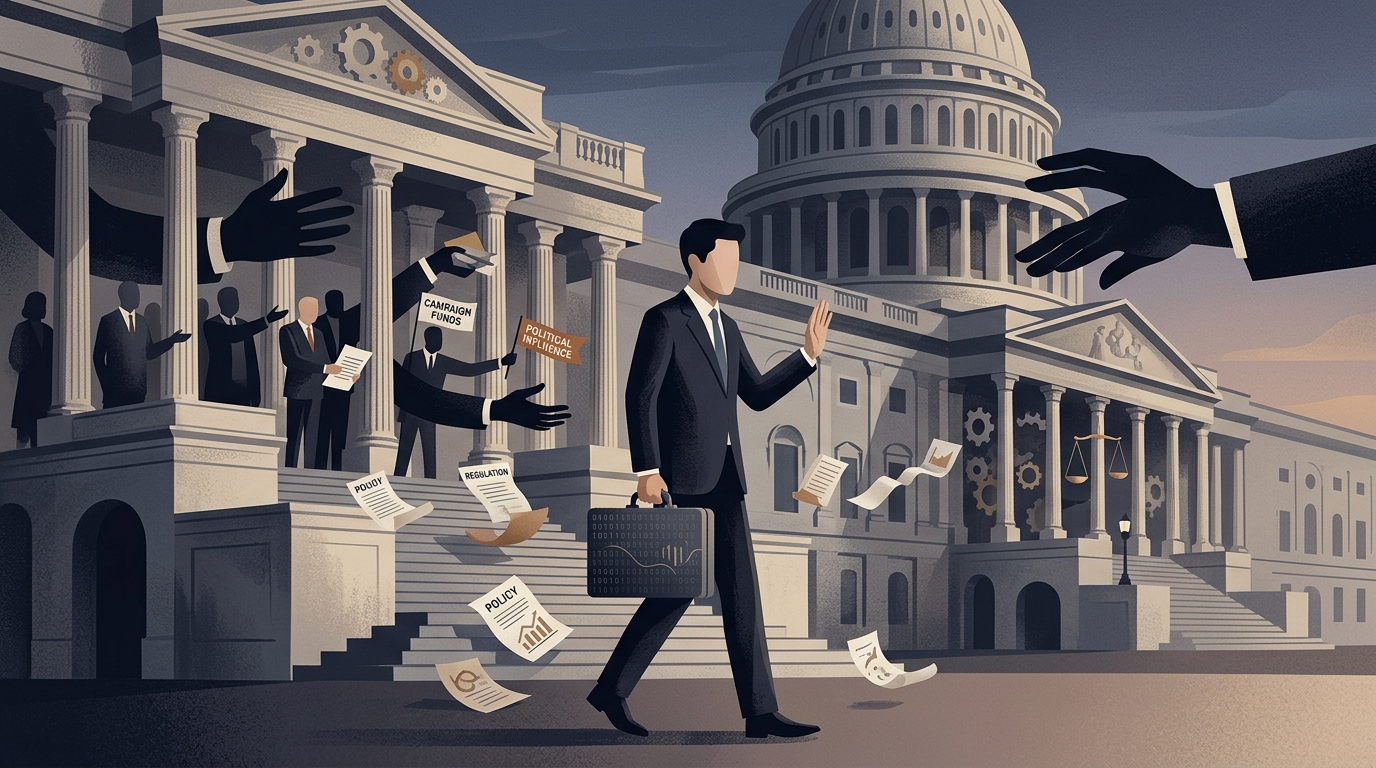
Barnes’ proposal arrives at a time when inflation remains the top concern for voters. By linking the high cost of living to the unchecked use of technology by large corporations, Barnes is attempting to bridge the gap between progressive activism and the everyday economic struggles of the working class. "We cannot allow algorithms designed in Silicon Valley to dictate whether a family in Milwaukee can afford their rent," he stated during a recent campaign event.
- Restriction of dynamic pricing during economic crises or emergencies.
- Severe penalties for companies using shared algorithmic data to fix prices.
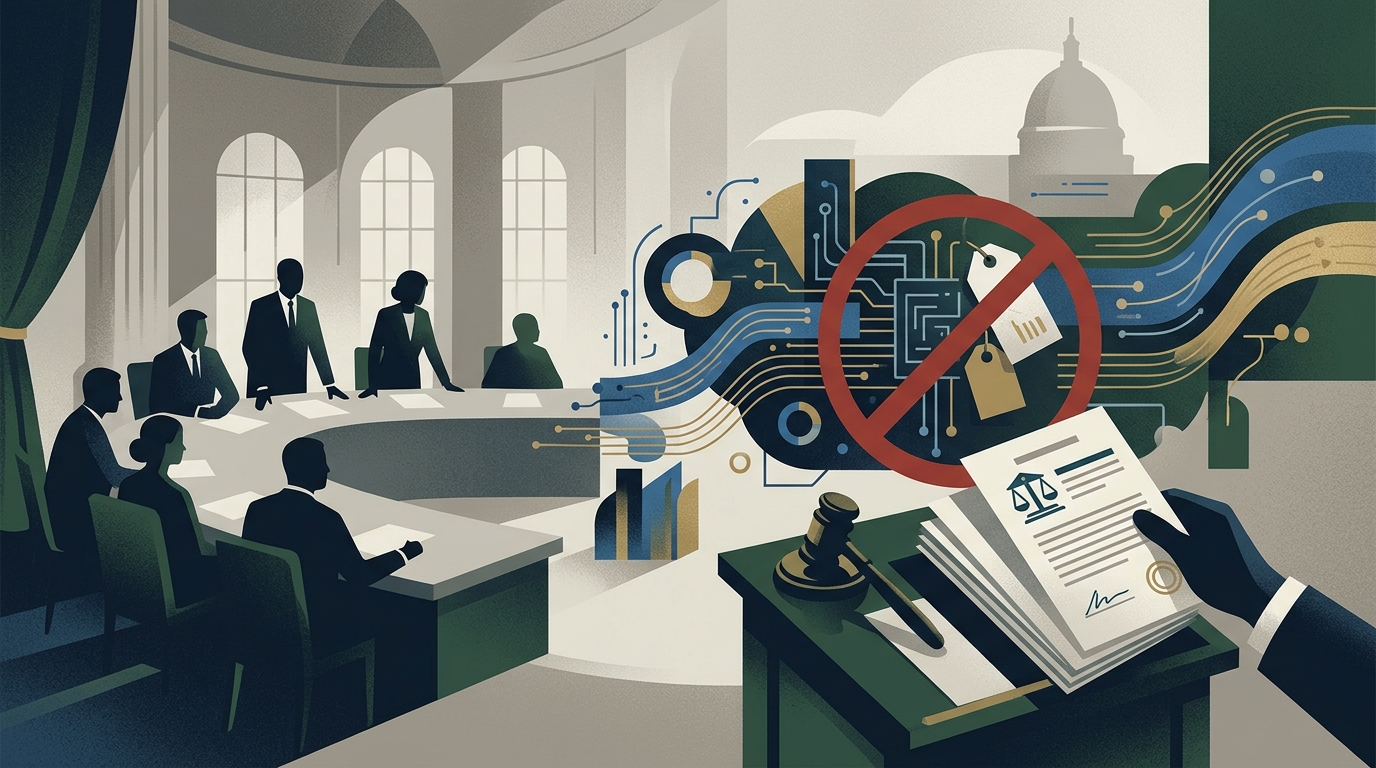
- Establishment of a state-level oversight board for algorithmic transparency.
Critics, however, argue that such a ban could backfire. Republican opponents and some economic analysts suggest that AI helps streamline supply chains and that banning it would lead to inefficiencies, shortages, or even greater price volatility. They maintain that the root cause of the problem is not technology, but a fundamental lack of housing supply.
Legal Challenges and the Future of Regulation
If Barnes is elected and pursues this agenda, Wisconsin will become the battlefield for a historic legal struggle. Tech companies are certain to challenge the constitutionality of such a law, citing First Amendment rights (as code is considered speech in some US jurisdictions) and the freedom of commerce. Furthermore, questions arise regarding whether a single state can effectively regulate software that operates across state lines.
"Technology must serve humanity, not exploit it. When the algorithm becomes a tool for corporate greed, the state has a duty to intervene," Barnes' campaign emphasizes.
This debate extends far beyond Wisconsin’s borders. Already, in the European Union and at the federal level in the US, regulators are examining how to combat algorithmic manipulation. The Barnes case demonstrates that AI is no longer a niche topic for tech enthusiasts; it has moved to the center of the populist political stage, capable of swaying election outcomes.
In conclusion, the proposal to ban AI-set pricing represents a turning point in the relationship between the state and technology. Whether it is an effective solution to inflation or a populist promise difficult to implement, it is certain that the oversight of AI will be the next great frontier in consumer rights protection in the 21st century.