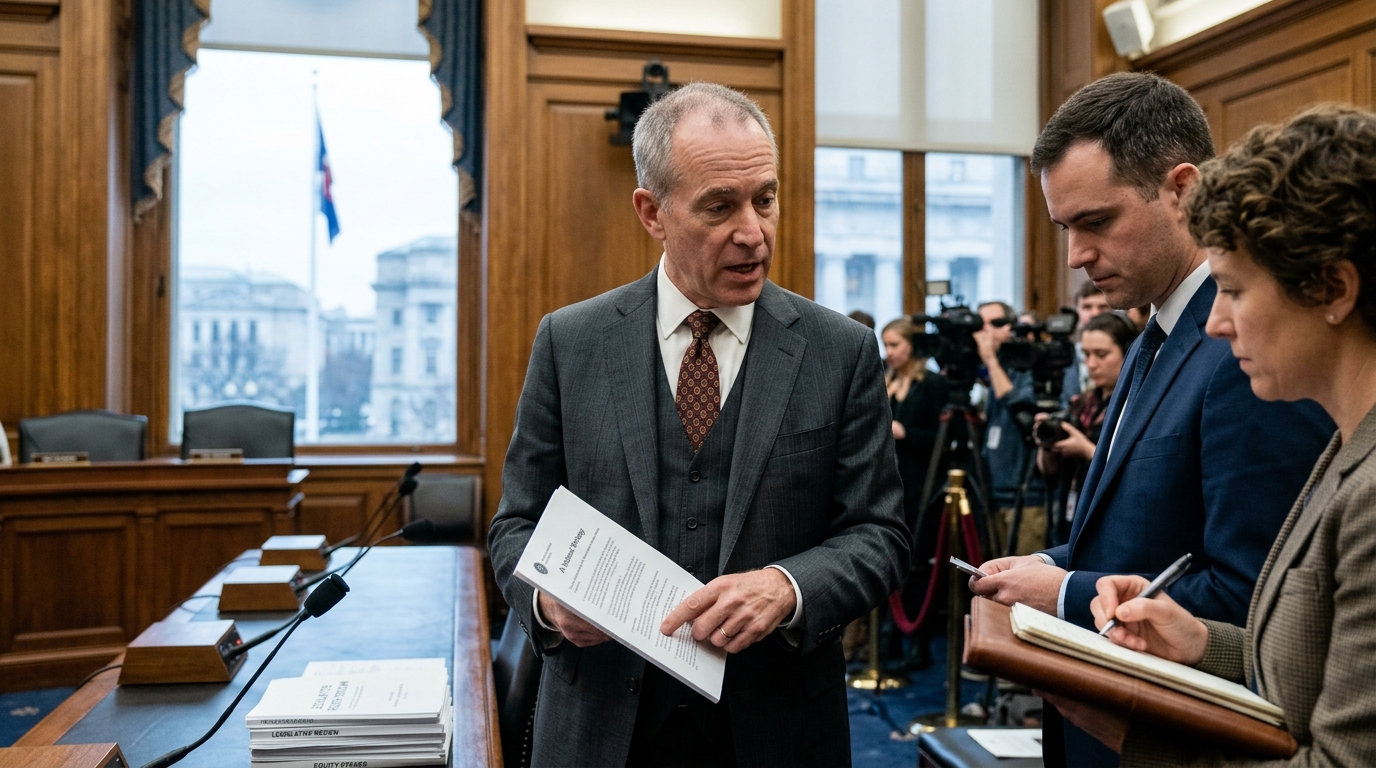
In an era where Artificial Intelligence (AI) is rapidly reshaping the fabric of public administration, Little Rock, Arkansas, is emerging as an unexpected leader in institutional safeguarding. Mayor Frank Scott Jr. recently announced the adoption of a comprehensive citywide AI policy, accompanied by the creation of a specialized Oversight Committee. This move is not merely a technological upgrade but a strategic intervention that seeks to balance operational efficiency with ethical responsibility.
Little Rock's decision comes at a critical juncture as local governments worldwide struggle to understand how generative AI tools can improve citizen services without infringing on privacy or exacerbating pre-existing social inequalities. The new policy sets clear rules for technology use by city employees, ensuring that every algorithmic decision remains subject to human scrutiny.
The Oversight Committee: Guarding Ethics
The centerpiece of Mayor Scott's initiative is the establishment of the AI Oversight Committee. This body will consist of technology experts, legal counsel, and community representatives, tasked with evaluating every new AI application before its implementation in municipal services. The committee will examine data security, the potential for algorithmic bias, and compliance with transparency standards.
"We cannot allow technology to move faster than our values," Mayor Scott stated during the policy presentation. "Artificial Intelligence is a tool that must serve humanity, not replace or marginalize it."
This approach is particularly significant for sectors such as public safety and urban planning. In the past, the use of predictive algorithms in policing has sparked intense backlash due to racial bias. Little Rock's new policy mandates strict audits to ensure that the data used to train models is representative and free from prejudice.
Transparency and Human Intervention
One of the core pillars of the new policy is the "human-in-the-loop" principle. This means that no critical decision affecting citizens' lives—from benefit approvals to fine determinations—will be made solely by a mechanical system. Every AI-generated output must be validated by a competent official.
- Data Protection: The policy prohibits inputting sensitive citizen data into publicly available AI models (such as ChatGPT) to prevent leaks.
- Staff Training: A broad training program for city employees is being launched to ensure the correct and safe use of new tools.
- Accountability: Technology vendors partnering with the City must provide full documentation on how their algorithms function.
This strategy aims not only to avoid risks but also to enhance productivity. By automating routine administrative tasks, City employees can focus on more complex issues that require empathy and critical thinking.
Little Rock as a Model for Mid-Sized Cities
While metropolises like New York and San Francisco have already established similar frameworks, Little Rock's move demonstrates that the need for AI governance applies to every level of administration. Mid-sized cities often have fewer resources but are closer to the citizens' daily lives, making the proper use of technology even more imperative.
The success of this policy will depend on the administration's continued commitment and active citizen participation. Mayor Scott has promised regular public reports on the Oversight Committee's activities, fostering a culture of trust. In a world where technology is often viewed as a "black box," Little Rock chooses to open the lid and illuminate the processes, setting an example that many other cities are expected to follow.