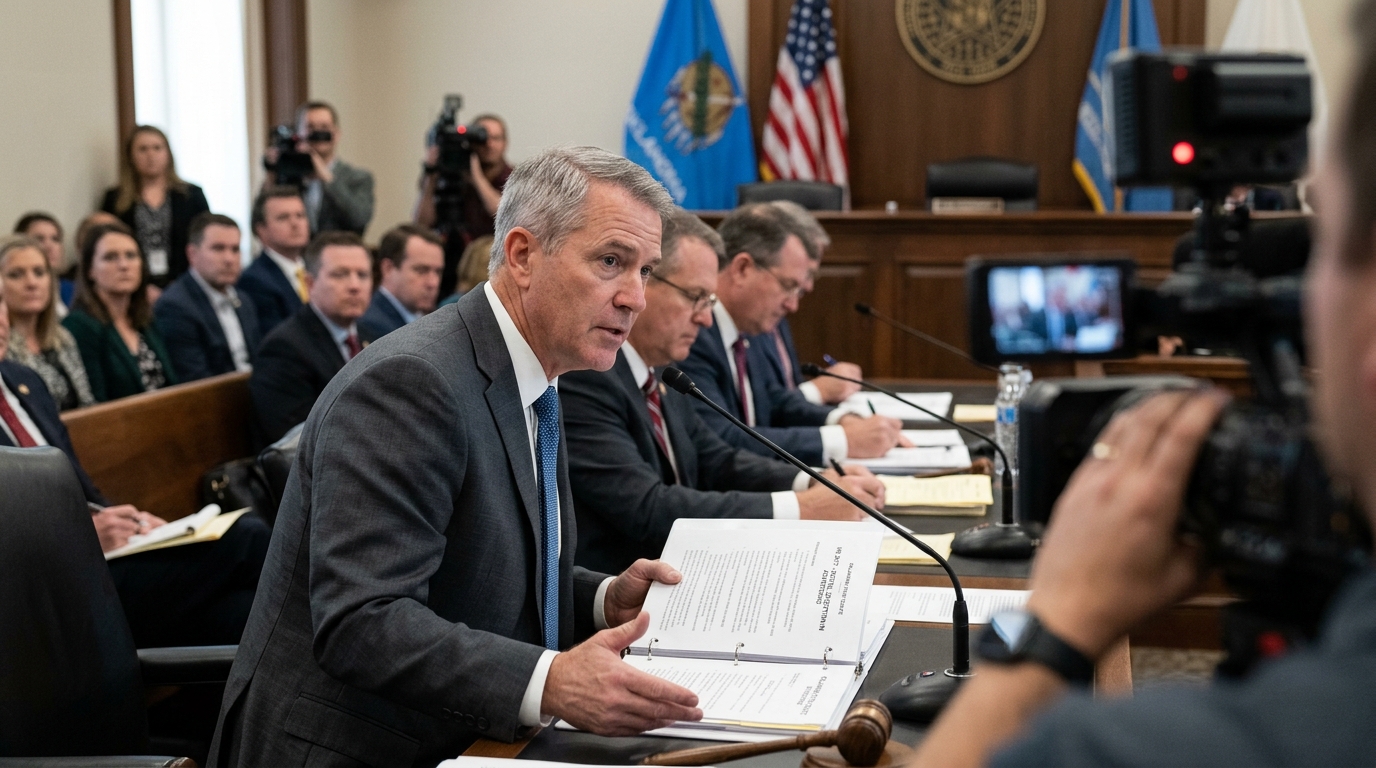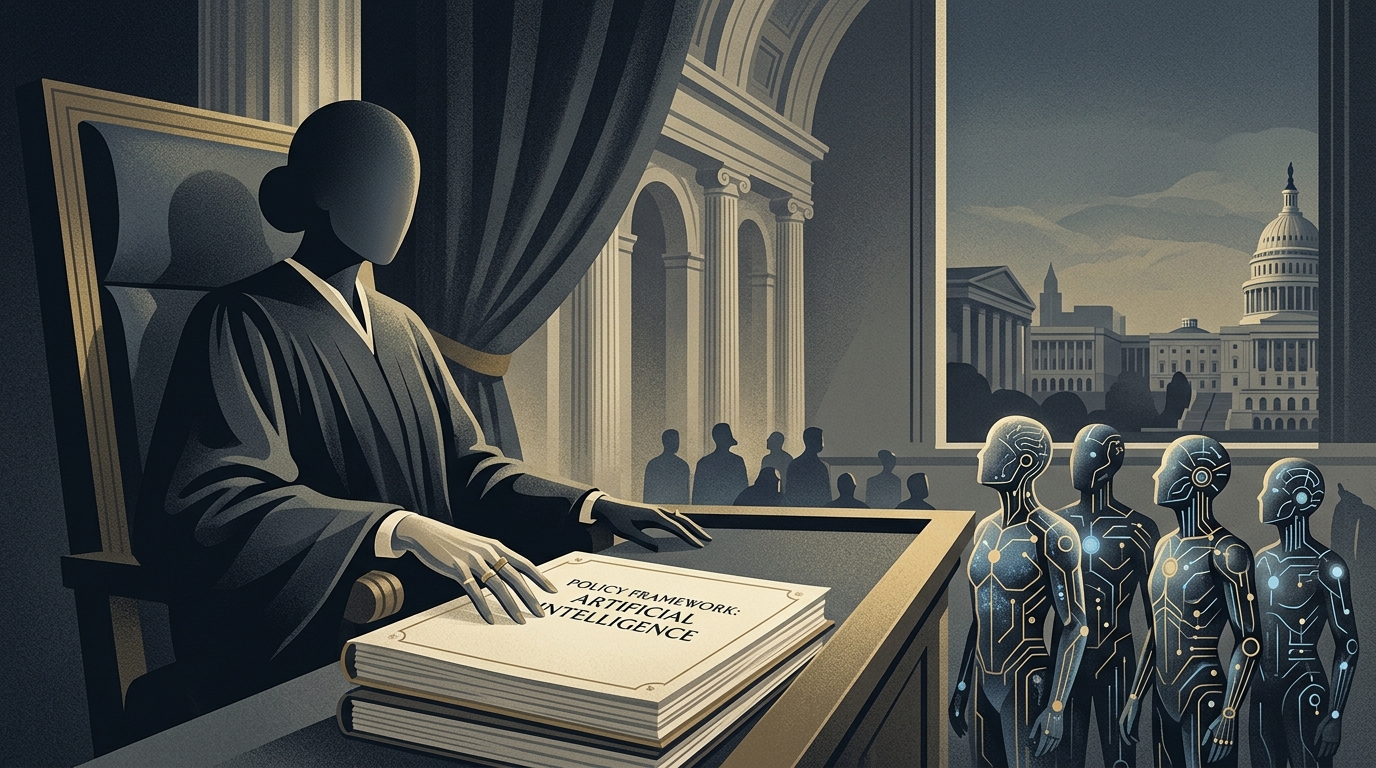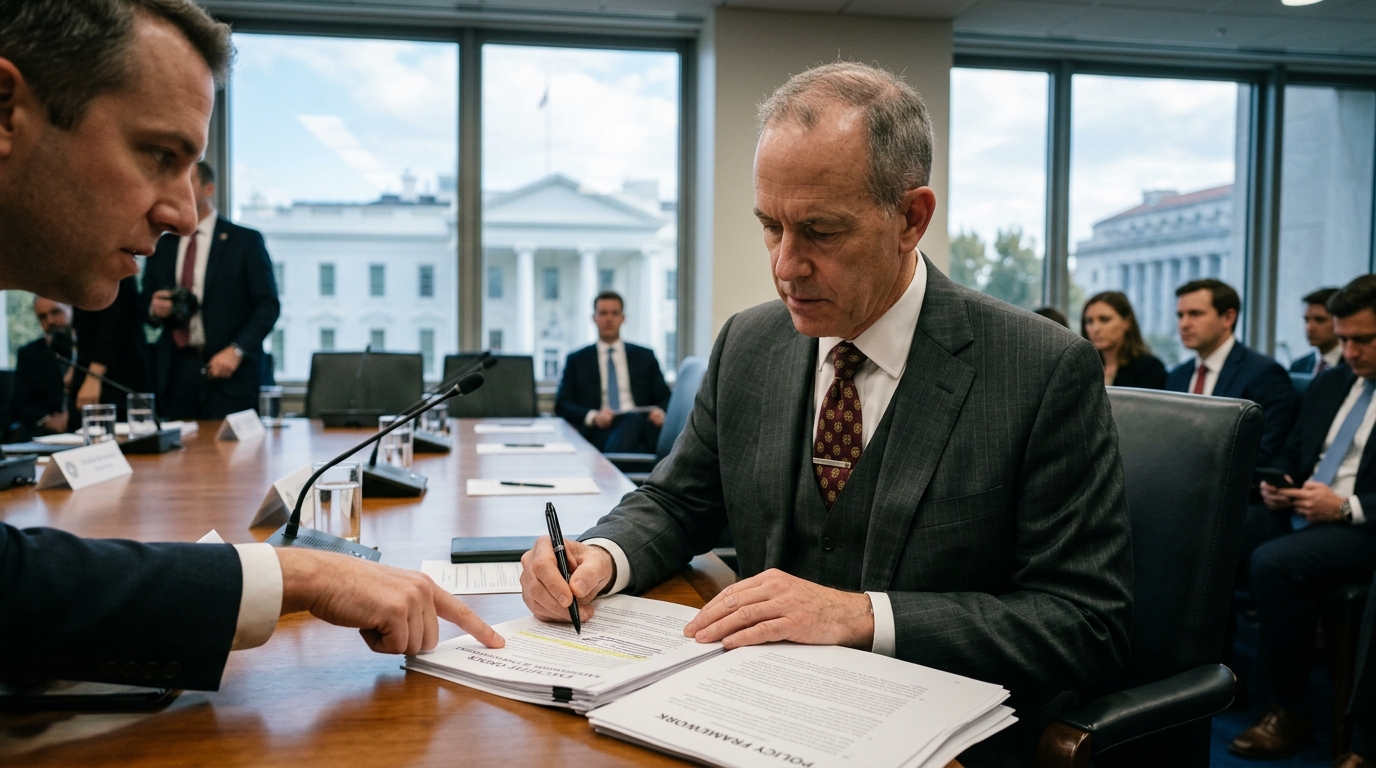
In an era where the U.S. federal government appears deadlocked in perpetual debate without meaningful legislative output, the state of Illinois has taken a decisive leap forward. State lawmakers have passed what many analysts describe as the most rigorous and comprehensive Artificial Intelligence (AI) safety framework in the nation. The bill, which Governor JB Pritzker has already pledged to sign, aims directly at the heart of Large Language Models (LLMs) and the companies developing them, including OpenAI, Anthropic, and Google.
The Transition from Voluntary Commitments to Legal Enforcement
To date, AI safety has largely relied on voluntary commitments made by the CEOs of major tech firms at the White House. However, Illinois is overturning this status quo. The new legislation requires companies developing "frontier models" to undergo detailed audits by independent third parties. These audits will not only scrutinize the technical robustness of the systems but also the potential for causing "catastrophic risks," such as facilitating the creation of biological weapons or executing mass-scale cyberattacks.
A critical point that makes this law unique is the requirement for training data transparency. Companies will now be mandated to disclose the sources of their data, a move expected to ignite a new cycle of legal battles regarding copyright and intellectual property. The logic of Illinois lawmakers is straightforward: if a system is poised to impact the lives of millions, its creator cannot be the sole arbiter of its safety.
Political Impact and the "Illinois Effect"
This move by Illinois is far from accidental. Governor Pritzker, a politician with national ambitions, is attempting to position his state as a tech hub that marries innovation with ethical accountability. While California hesitated in the past to impose similar restrictions under pressure from Silicon Valley investors, Illinois appears to be seizing the leadership vacuum.
Analysts are already speaking of the "Illinois Effect," an analogy to the EU's "Brussels Effect." Because major tech companies are unlikely to develop different versions of their models exclusively for one state, Illinois' stringent standards may become the de facto norm for the entire American market. This exerts immense pressure on the industry, which argues that such regulations could stifle innovation and grant an advantage to geopolitical rivals like China.
Industry Backlash and the Road Ahead
The tech industry has reacted with skepticism. Representatives from TechNet, a lobby group representing Apple and Google, argued that the bill contains vague definitions that could lead to endless litigation. Conversely, civil rights organizations have hailed the decision, emphasizing that AI is already being used for discrimination in hiring, housing, and policing.
The remaining question is whether other states will follow Illinois' lead. With elections on the horizon and public concern growing over the unchecked rise of AI, algorithmic safety is transforming from a technical issue into a central political stake. Illinois has set the bar high; now we must see whether Silicon Valley will leap over it or be forced to play by these new rules.
- Mandatory third-party audits for large-scale frontier models.
- Strict penalties for companies that conceal safety risks.
- Requirement for full transparency in training data sets.
- Protection for workers against automated decision-making without human oversight.