By May 2026, Europe finds itself not merely in the midst of a technological transition, but at the heart of a profound epistemological revolution. Artificial Intelligence (AI) has ceased to be viewed as a simple automation tool and has emerged as the primary architect of how European citizens acquire, process, and utilize information. From the lecture halls of Heidelberg to the tech hubs of Athens, the question is no longer whether AI will affect knowledge, but how European identity can be preserved within this algorithmic ocean.
The Shift from Rote Learning to Critical Synthesis
For centuries, the European educational model was built on the accumulation of information. Today, with Large Language Models (LLMs) providing instant access to distilled knowledge, the value of "possessing" information is rapidly diminishing. What is emerging as the new golden skill is the capacity for synthesis, the critical evaluation of sources, and the ethical framing of machine-generated outputs. Knowledge is becoming a collaborative process between human and algorithm.
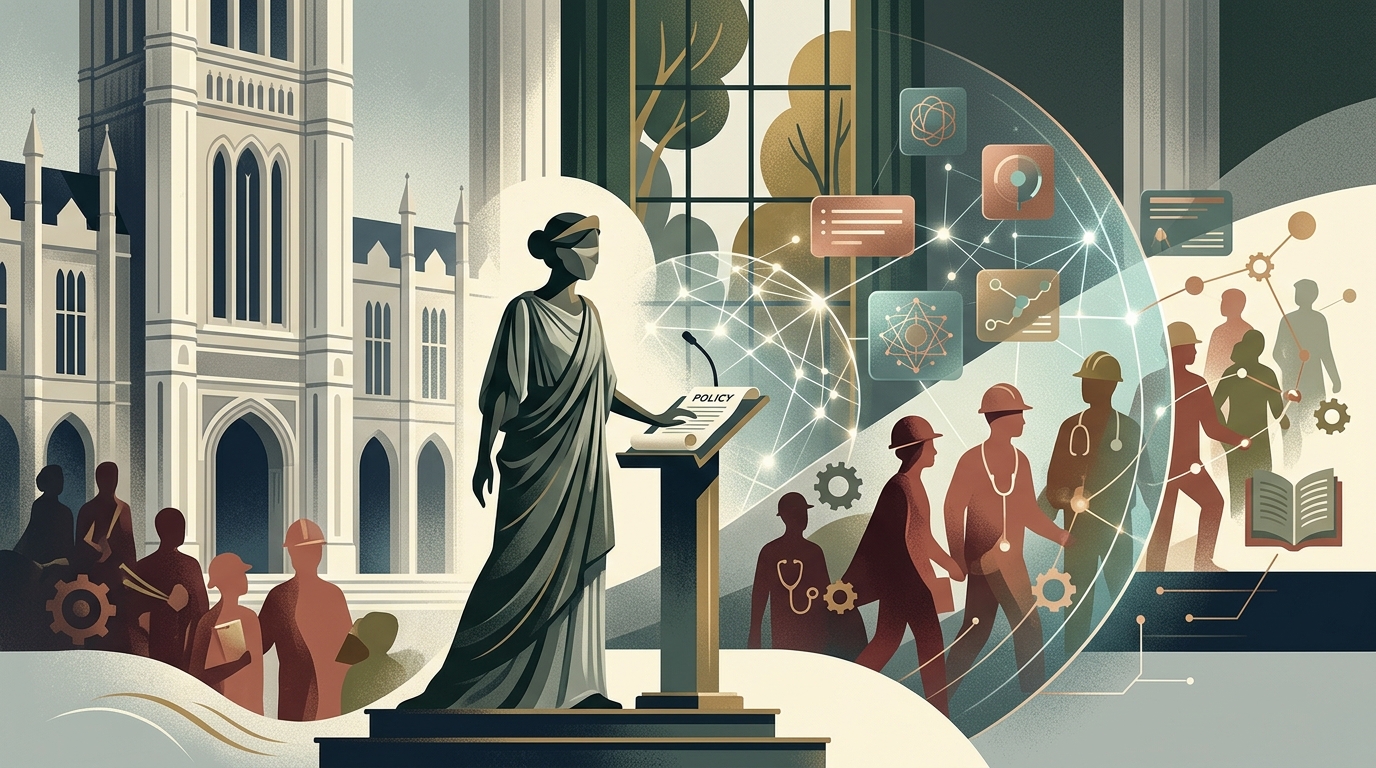
In schools and universities across the continent, we are witnessing a pivot toward a "Socratic Method 2.0." Educators are no longer the sole gatekeepers of knowledge but guides who teach students how to ask the right questions (prompt engineering) and how to distinguish truth from algorithmic hallucination. This paradigm shift is essential for the survival of European critical thinking, which remains the cornerstone of our liberal democracies.
Digital Sovereignty and the Data Stakes
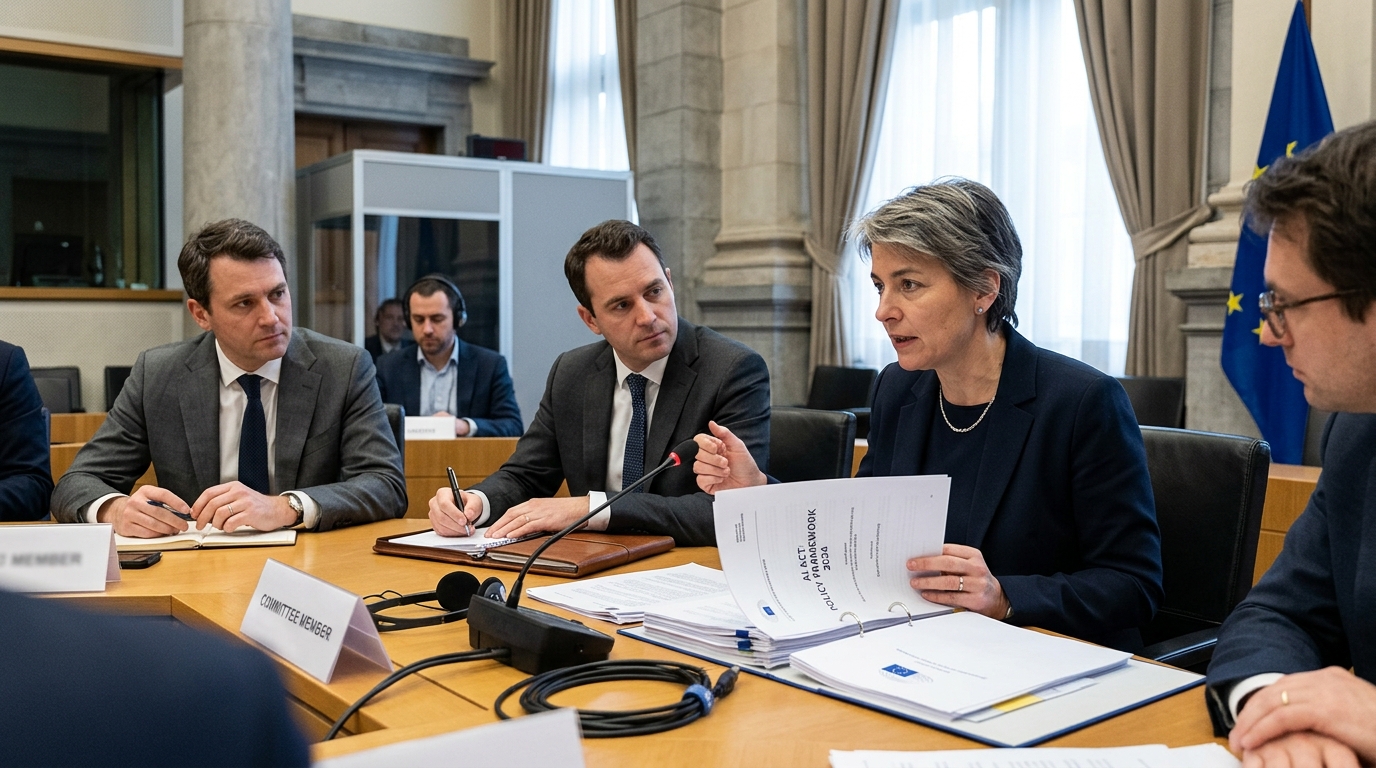
Europe faces an existential challenge: its dependence on tech giants outside its borders. "Knowledge" in the age of AI is fueled by data, and whoever controls the data and the models controls the narrative. While the implementation of the AI Act has established a framework for safety, the challenge remains to foster homegrown models that respect European values and linguistic diversity.
- Protecting the intellectual property of European creators from unauthorized model training.
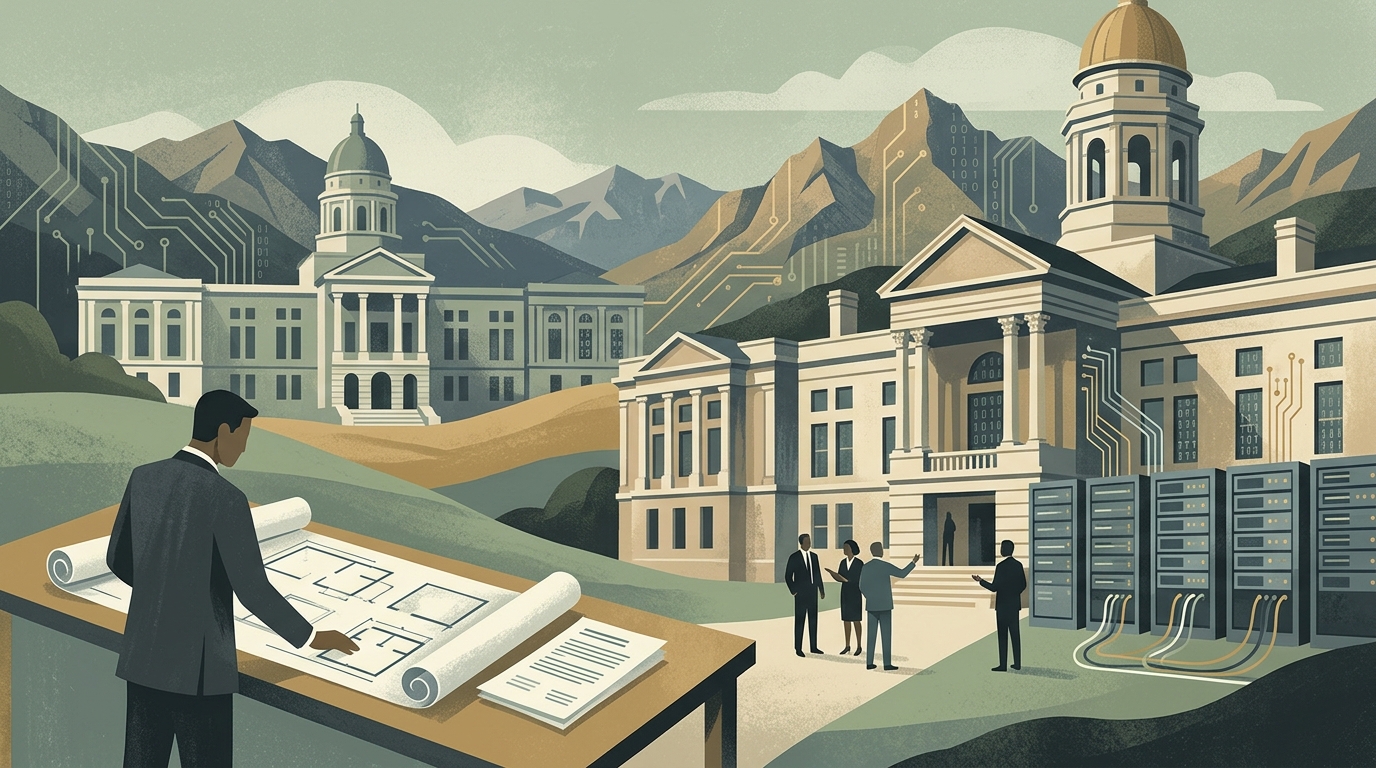
- Strengthening European supercomputing capabilities (such as Leonardo and LUMI) to support independent research.
- Establishing "Common Data Spaces" that allow for knowledge sharing without compromising individual privacy.
The Greek case is particularly illustrative, as the country invests in AI to preserve and promote its cultural heritage. Using AI in archaeology and linguistics is not just a technical endeavor but an effort to redefine classical knowledge in modern terms, making it accessible to a global audience while maintaining its historical integrity.
Labor in the Knowledge Economy
The role of the "knowledge worker" is undergoing a radical transformation. In the past, a lawyer or an analyst was paid for the time spent on research. Now, that research is conducted in seconds. Value is shifting toward decision-making based on that data and toward empathy—elements that AI, despite its progress, struggles to replicate authentically. Europe, with its emphasis on human rights and social protection, is attempting to build a model where AI complements rather than replaces human judgment.
"Knowledge is no longer a destination, but a continuous journey of navigation through an ocean of artificial intelligence. The challenge for Europe is not to lose the compass of its values," note Brussels-based policy analysts.
Conclusion: Toward a New European Enlightenment?
AI offers Europe the opportunity for a new "Enlightenment," where technology serves humanity and expands the horizons of learning. However, this requires bold investments in reskilling the population and a steadfast commitment to the ethical use of algorithms. If Europe succeeds in merging its rich intellectual tradition with cutting-edge technology, knowledge will remain its most powerful asset in the 21st century.