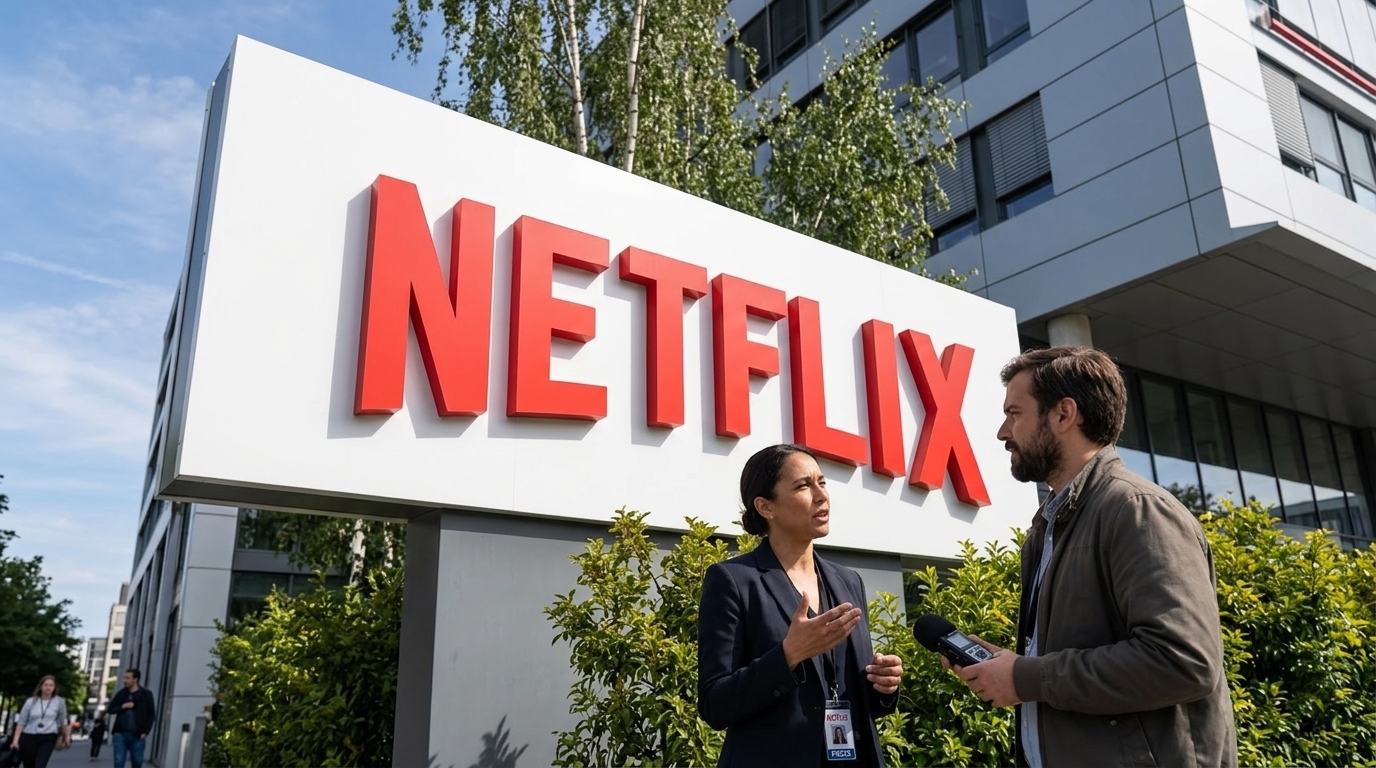
In a move set to redraw the landscape of the audiovisual industry in Europe, the German government has finalized a draft law requiring global streaming giants like Netflix, Disney+, and Amazon Prime Video to reinvest 8% of the revenue generated on German soil back into local productions. This decision, part of the reform of the Film Funding Act (Filmförderungsgesetz - FFG), is a clear assertion of cultural sovereignty by Berlin, one that has already sent ripples through transatlantic relations.
The Clash of Culture and Commerce
The crux of the dispute lies in the definition of the measure. For the German government and Culture Minister Claudia Roth, this is not a new tax but an "investment obligation" aimed at ensuring the long-term viability of the German film industry. In the digital age, where the algorithms of major platforms dictate audience preferences, Berlin deems it necessary to impose rules ensuring that German stories, language, and creators have a guaranteed place in the global marketplace.
Conversely, Washington and the Motion Picture Association (MPA) of the United States view the measure as a disguised "digital tax" that discriminates against American companies. Critics argue that such regulations violate free trade principles and set a dangerous protectionist precedent. However, Germany is not a pioneer in this regard. France, the leader in "cultural exception," already demands reinvestments as high as 20-25%, and Italy follows a similar path with roughly 20% requirements.
Mechanics of the New Regulation
The regulation stipulates that 8% of the annual turnover achieved in Germany by streaming platforms must be funneled into German or European co-productions. Crucially, a significant portion of this percentage must be directed toward independent producers, ensuring that the capital does not simply circulate within the subsidiaries of major US studios. Furthermore, there are specific provisions for documentaries and animated films—genres that are often sidelined by high-budget commercial productions.
Implementation is expected to begin in 2025. Platforms will have the option to either invest directly in their own productions within Germany or contribute to a central fund that distributes grants. This flexibility represents Berlin's attempt to mitigate backlash without compromising the core objectives of the policy. The Federal Film Board (FFA) will likely oversee the compliance, making Germany one of the most strictly regulated markets for digital content in the world.
Economic and Artistic Implications
The German market is the largest in Europe, and an 8% mandate translates into hundreds of millions of euros flowing into the local ecosystem. This is expected to create thousands of jobs for technicians, actors, and screenwriters. However, there is a looming risk of production cost inflation. With so much capital mandated to be spent, the prices for services and top-tier talent could skyrocket, making smaller, truly independent projects even harder to finance.
Artistically, the question remains: will this funding lead to a new "Golden Age" of German cinema, or will it result in the production of standardized content designed merely to meet quotas? The success of series like "Dark" or "All Quiet on the Western Front" demonstrates that German creativity can thrive globally when paired with the resources of major platforms. The new legislation aims to make such successes the rule rather than the exception, fostering a robust local industry that can withstand the pressure of global homogenization.
The European Front and International Pressure
Germany's move strengthens the position of the European Union, which, through the Audiovisual Media Services Directive (AVMSD), encourages member states to impose such obligations. Europe is attempting to strike a balance between an open market and the protection of its cultural heritage against American cultural hegemony. The US reaction, while sharp, faces an uphill battle against the global trend of regulating the digital economy. As Berlin rejects the "tax" label, the debate shifts from trade to culture—an area where the EU has traditionally enjoyed greater regulatory freedom. The outcome of this confrontation will determine not only the future of German film but also how national governments interact with tech giants in an increasingly borderless digital world.