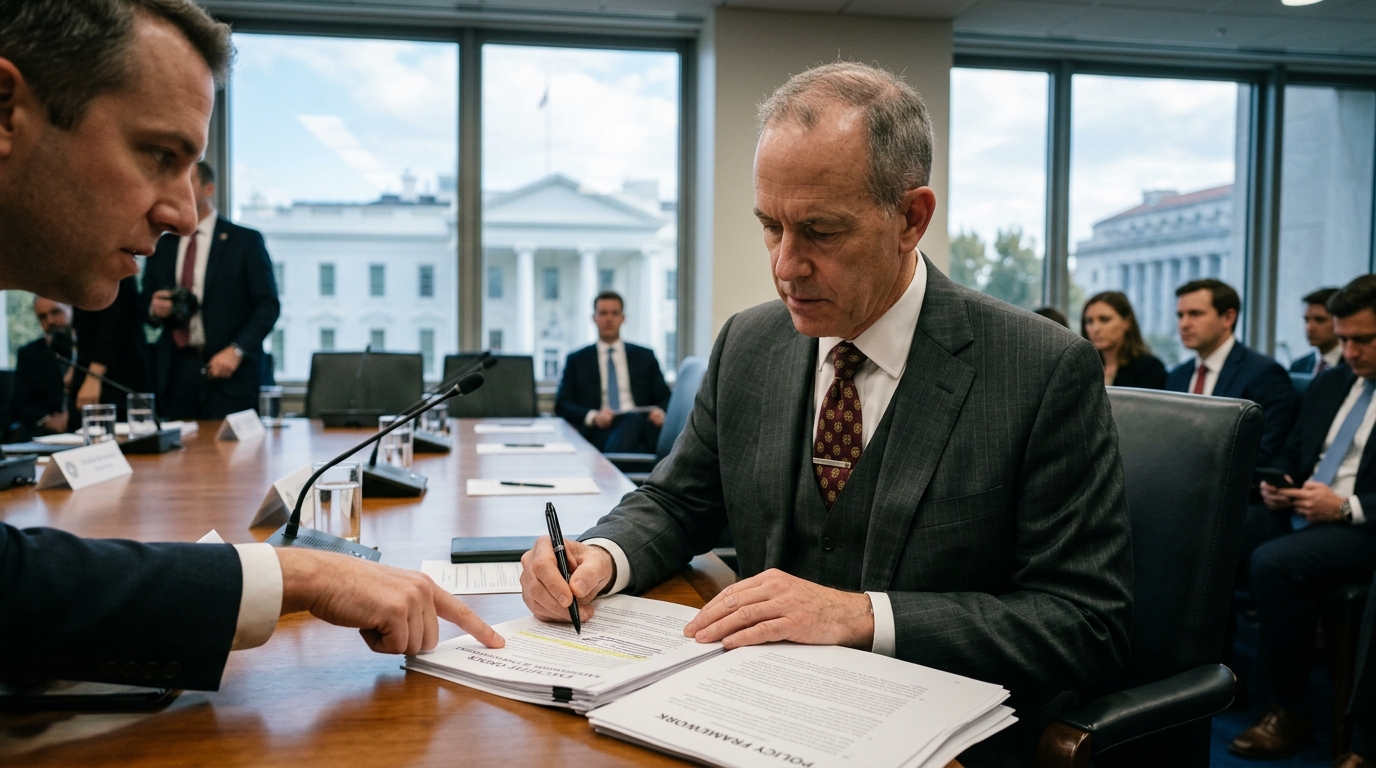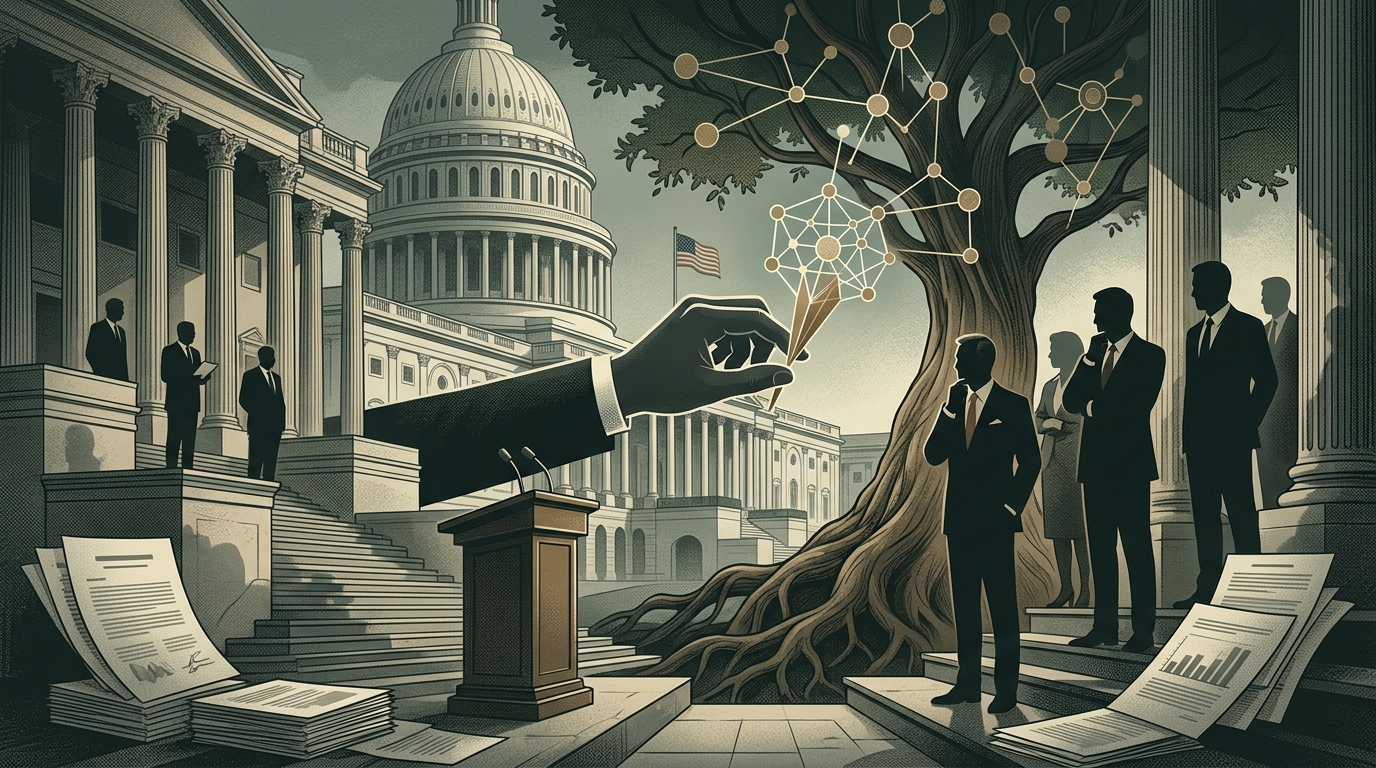
The legacy of the Department of Government Efficiency (DOGE), the controversial yet influential initiative that shook the U.S. federal bureaucracy, is now transitioning into the private sector. Two key staffers who worked alongside Elon Musk and Vivek Ramaswamy in their quest to shrink the administrative state have announced the launch of a new investment firm. Their goal: to acquire "bloated" companies and implement aggressive Artificial Intelligence models to eliminate waste and automate administrative functions.
The venture, backed by powerful Musk allies in Silicon Valley, marks a new phase in "efficiency capitalism." This is not merely a consultancy; it is a private equity vehicle operating with a "scorched earth" philosophy regarding unnecessary spending, utilizing AI as the primary surgical tool for restructuring workforces and supply chains.
From Public Service to Private Equity: Exporting the DOGE Model
During their tenure at DOGE, these officials developed algorithms to identify overlapping responsibilities across dozens of federal agencies. Now, they argue that the private sector—particularly publicly traded companies suffering from what Musk calls "corporate bloat"—is equally ripe for such intervention. The core thesis is simple: if AI can replace thousands of bureaucrats, it can certainly replace the middle management layers that often constitute a firm's largest overhead.
Their strategy involves taking majority stakes in underperforming companies with low margins. Post-acquisition, a "digital audit" is conducted to map every internal process. Wherever manual labor can be modeled by Large Language Models (LLMs) or autonomous AI agents, replacement is swift. This approach follows the blueprint of Musk’s acquisition of Twitter (now X), but with a critical distinction: this time, the process will be driven by data-driven automation rather than executive whim.
Silicon Valley Backing and the Role of AI
Funding for the venture comes from a network of investors who view AI not just as a tool for creating new products, but as the ultimate cost-deflation engine. Musk allies, including figures associated with Andreessen Horowitz and Founders Fund, are reportedly monitoring the model closely. The prevailing belief is that the next decade will not necessarily belong to those who build the best AI, but to those who use it most ruthlessly to restructure the legacy economy.
Critics, however, warn of the social implications. Turning a business into an "algorithmically optimized organism" often translates to mass layoffs and the erosion of job security. While such a model would face significant legal hurdles in Europe due to stringent labor laws, in the United States, this trend is gaining traction as the "new normal" for corporate survival in a high-interest-rate, hyper-competitive environment.
The Future of Corporate Governance
What began as a political effort to reduce the U.S. deficit is evolving into a new doctrine of corporate governance. If the venture by the former DOGE staffers succeeds, we will witness a decisive shift toward "lean" corporations where decision-making relies less on human judgment and more on real-time data optimization. The remaining question is whether a company can maintain innovation and culture when its sole priority is the mathematical elimination of waste. The history of capitalism suggests that while efficiency is vital, creativity often requires a bit of that very "bloat" that Musk’s disciples are so desperate to drain.