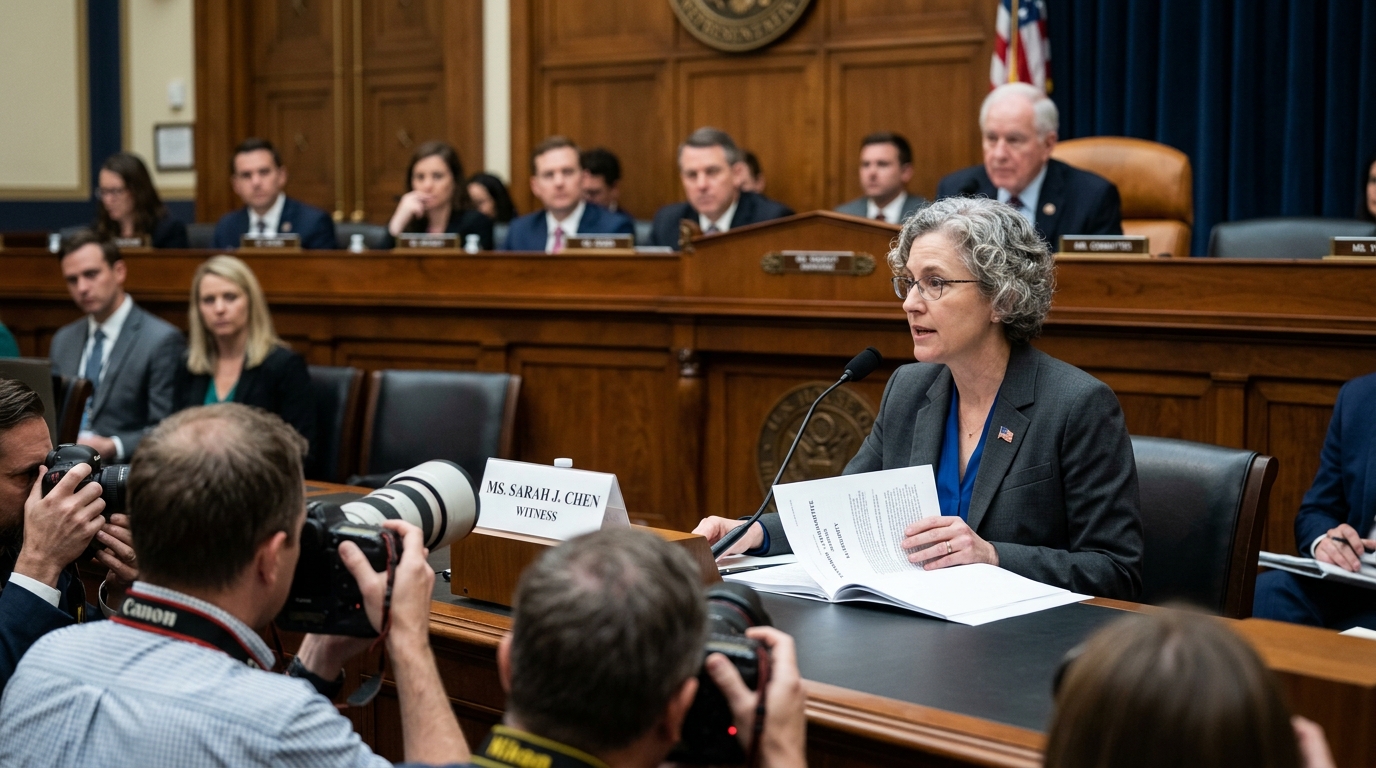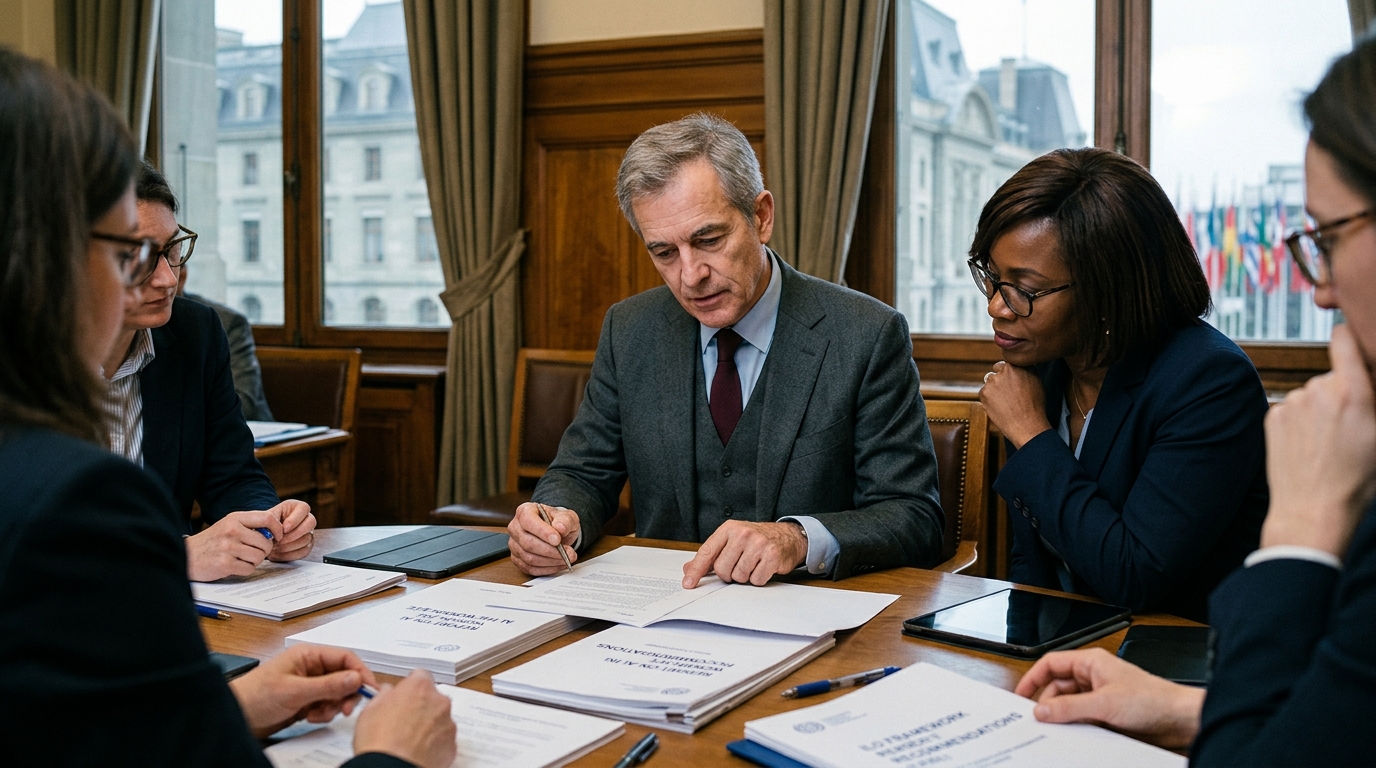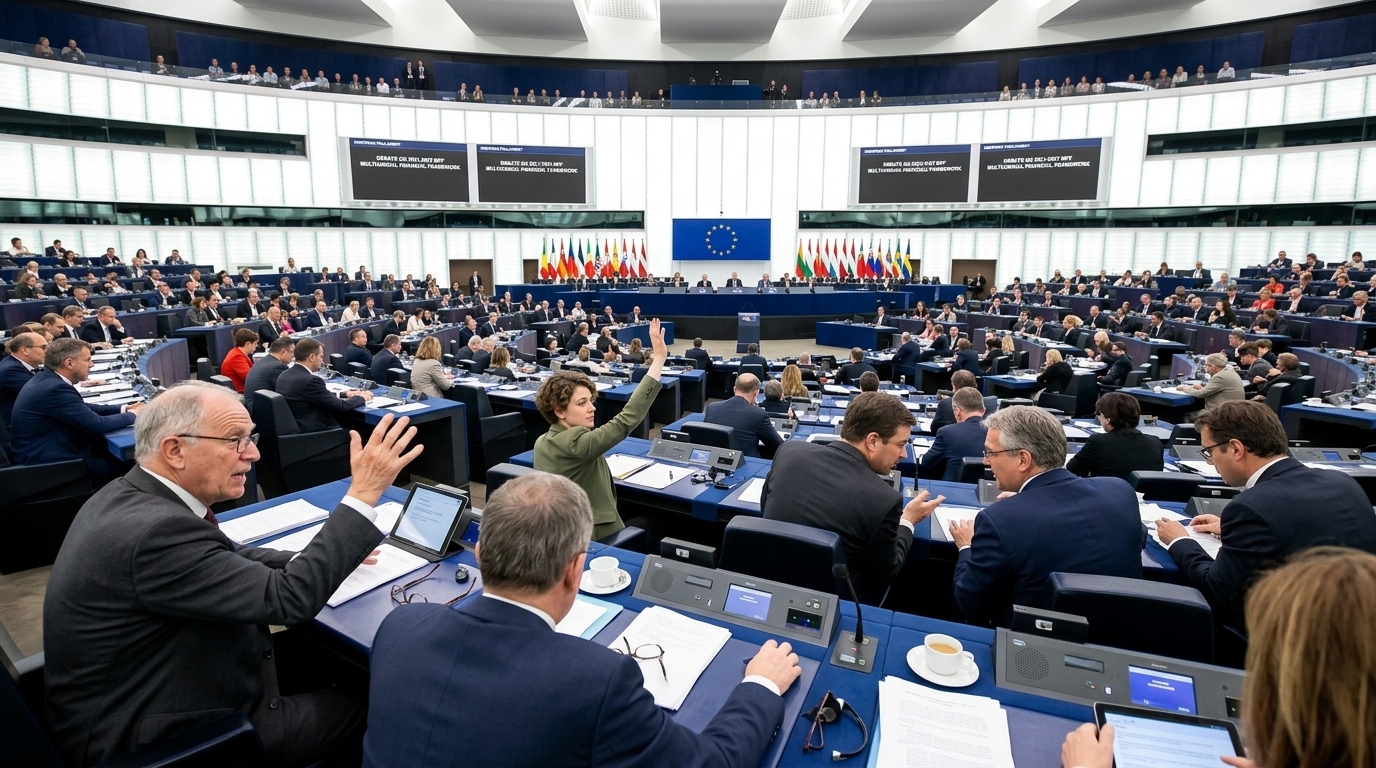
As the European Union reaches a critical juncture in its history, the European Parliament is ramping up the pressure, setting the stage for one of the most contentious negotiations in decades. At the heart of the debate is the Multiannual Financial Framework (MFF) for the 2028-2034 period. MEPs, in a move described by many as a "leap forward," are proposing a budget exceeding €2 trillion, representing a 10% increase over the European Commission's initial proposal from July 2025.
Institutional Clash and the Need for "Fresh" Money
The Parliament's proposal is not merely a figure on a spreadsheet; it is a political manifesto for the continent's future. Following the pandemic and amidst ongoing instability in Ukraine, the need for a robust central budget has become imperative. MEPs argue that current challenges—ranging from the climate crisis to digital sovereignty—cannot be addressed with "crumbs." The 10% increase aims to fill the vacuum left by the phasing out of the Recovery and Resilience Facility (NextGenerationEU), which provided a temporary but vital liquidity injection to European economies.
However, the Parliament's vision clashes with the traditional reluctance of the so-called "frugal" member states. Countries like Germany, the Netherlands, and the Nordic nations, already facing domestic fiscal pressures, view any increase in national contributions with skepticism. The battle within the European Council is expected to be fierce, as leaders must balance their national red lines with collective European ambitions.
Investing in Artificial Intelligence and Defense
One of the most compelling aspects of the proposal is the prioritization of spending. The Parliament is calling for the creation of dedicated funds to bolster the European AI industry. In a world where the US and China dominate the technological landscape, Europe risks falling behind without massive investment in data infrastructure and research. MEPs suggest that the new budget should act as a catalyst for the EU's "digital autonomy."
Simultaneously, defense is emerging as a central pillar. For the first time in MFF history, defense cooperation and the strengthening of the European military industry are taking center stage. The proposal includes increased funding for the European Defence Fund, aiming to reduce reliance on external suppliers and harmonize the military capabilities of member states. This shift reflects the new reality of a Europe realizing that "soft power" is no longer sufficient for its survival.
The Thorn of Own Resources and Debt Repayment
The big question mark remains funding. Where will the extra money come from? The Parliament is forcefully bringing back the issue of "Own Resources." These are direct taxes collected by the EU, such as the financial transaction tax, the plastic tax, and the Carbon Border Adjustment Mechanism (CBAM). Without these resources, increasing the budget would mean either raising national contributions—politically unfeasible—or cutting traditional policies like the Common Agricultural Policy (CAP) and Cohesion Policy.
Furthermore, the new budget must address the "ghost" of the NextGenerationEU debt. Interest on loans contracted by the EU during the pandemic has risen significantly due to the ECB's high interest rates. If repayment is not accounted for outside the budget ceilings, there is a risk that programs like Erasmus+ or Horizon Europe will be "cannibalized." The Parliament is clear: debt repayment must not come at the expense of future generations and investments in innovation.
Conclusion: Europe at a Crossroads
The battle for the 2028-2034 MFF is not just about accounting. It is about the identity of the European Union. Will it remain an organization that merely manages daily affairs, or will it transform into a true geopolitical power with the financial means to enforce its vision? The coming months will be decisive. Negotiations will be long, arduous, and full of compromises. However, the Parliament's opening stance sends a loud message: the Europe of tomorrow requires courage, unity, and, above all, the necessary resources to succeed.