The announcement of the United Arab Emirates (UAE) withdrawing from the OPEC+ organization is not merely a piece of financial news; it is a geopolitical earthquake rearranging the map of the Middle East and the power dynamics on the global stage. After six decades of participation in the cartel that dictated the fortunes of the global economy through the price of "black gold," Abu Dhabi has decided to chart an autonomous course, triggering chain reactions from Washington to Riyadh.
The Strategy of Autonomy and Vision 2031
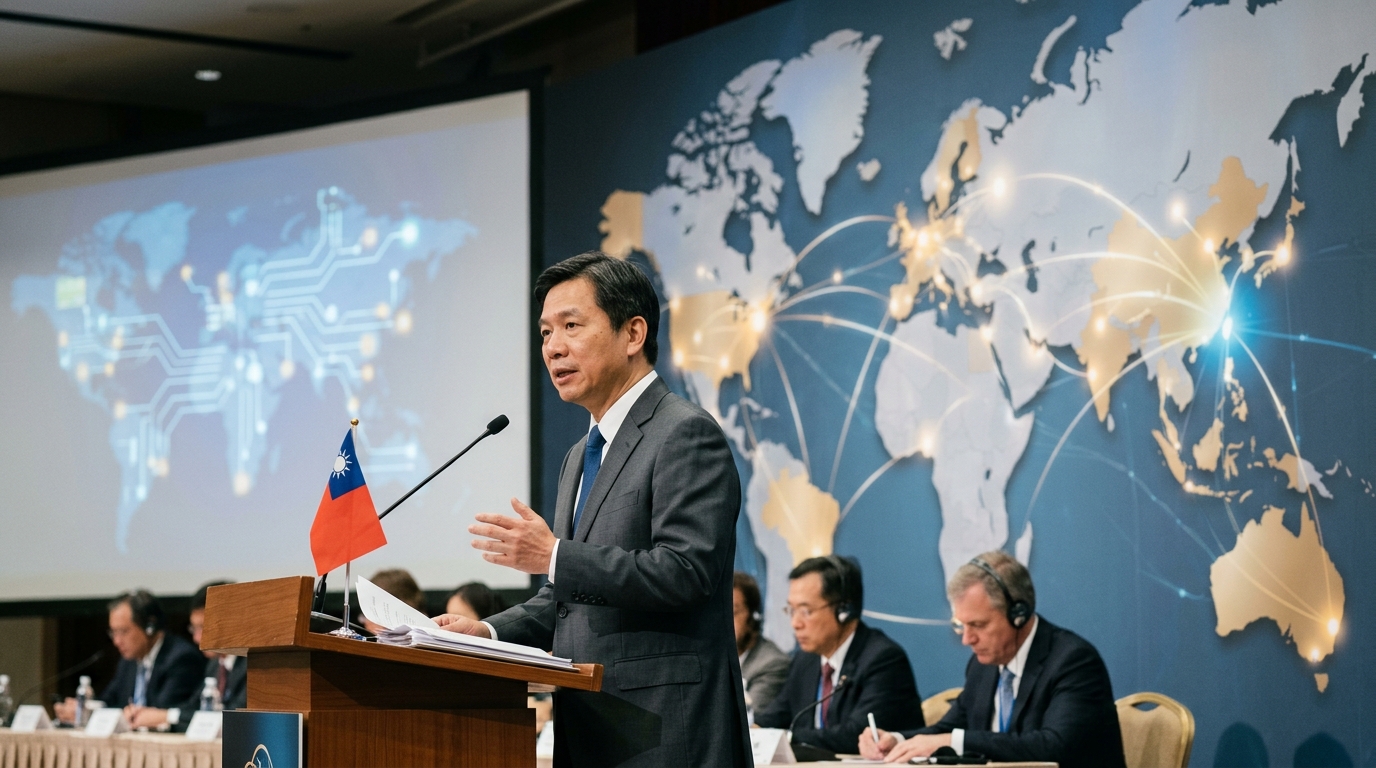
The Emirates' decision was not made in a vacuum. For years, President Sheikh Mohammed bin Zayed Al Nahyan has invested in a strategy of economic diversification, moving away from absolute dependence on oil. The UAE's "Vision 2031" aims to transform the country into a global hub for technology, artificial intelligence, and renewable energy. Membership in OPEC+, with its strict production quotas often imposed under the guidance of Saudi Arabia, was increasingly seen as a shackle on the UAE's national interests.
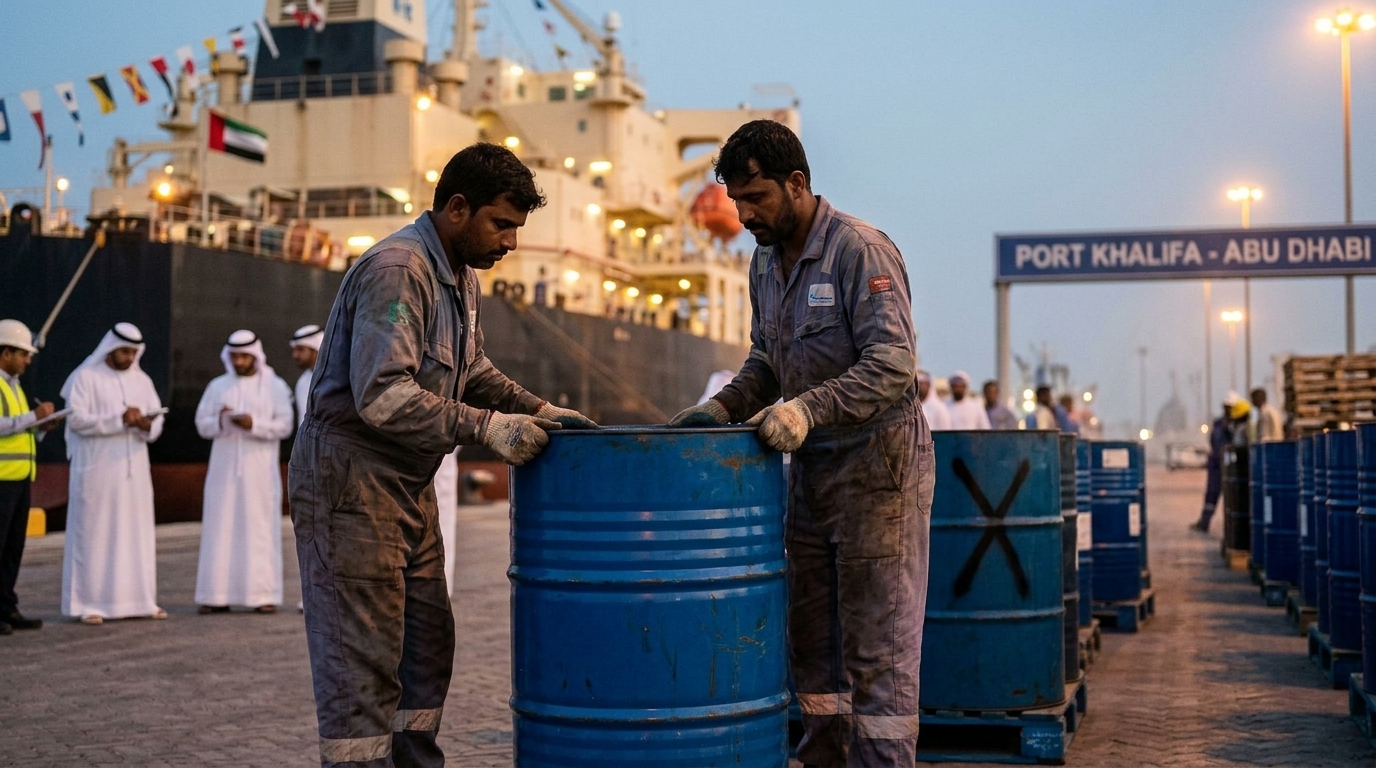
The UAE has invested billions of dollars in increasing its production capacity, targeting 5 million barrels per day. Remaining in an organization that demands constant production cuts to support prices hindered the return on these investments. By exiting, Abu Dhabi gains the freedom to flood the market with its own oil, maximizing revenue at a time when global demand remains fluid due to the energy transition.
The Trump Factor and the Relationship with Washington
This development is interpreted by many analysts as a significant diplomatic "victory" for Donald Trump. The former and current contender for American power had repeatedly pressured Gulf states to increase production to lower gasoline prices in the US, accusing OPEC of market manipulation. The UAE's departure weakens the cartel's front and strengthens American influence in the region, creating a powerful ally outside of Riyadh's "tight embrace."
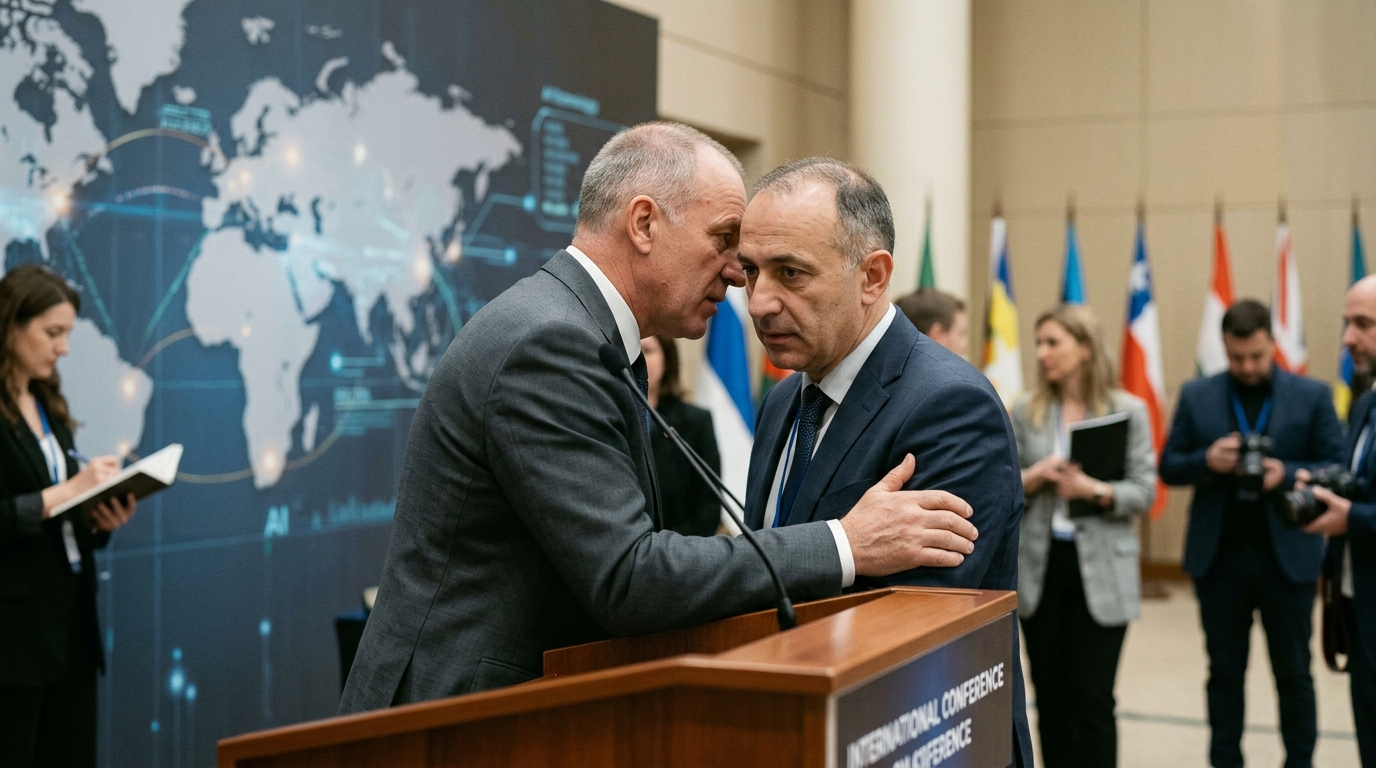
"This move by the UAE is not just economic; it is a declaration of independence from Saudi Arabia's regional hegemony," says a senior diplomat in Brussels.
The rift with Saudi Arabia, though not officially acknowledged, is evident. The competition between Mohammed bin Salman and Mohammed bin Zayed over who will dominate as the leader of the Arab world and the primary partner of the West has now shifted to the energy field. Saudi Arabia insists on maintaining high prices to fund its own ambitious projects, such as Neom, while the UAE prefers a sales volume that will allow them to dominate Asian markets.
Impact on the Global Market and the Future of OPEC+
The question now looming over international markets is whether the UAE's move will trigger a domino effect. Although other countries, such as Kuwait or Iraq, remain loyal to the organization for now, the weakening of OPEC+'s cohesion is a fact. The oil market is entering a phase of intense volatility, as the prospect of a "market share war" between former allies is now visible.
- Increased Supply: The UAE's freedom to produce at maximum capacity could lead to a drop in prices in the medium term.
- Geopolitical Instability: Distancing from Riyadh could complicate peace efforts in Yemen and cooperation against Iran.
- Acceleration of the Green Transition: Uncertainty in oil prices could push Europe and China toward faster decoupling from fossil fuels.
In conclusion, the United Arab Emirates' withdrawal from OPEC+ marks the end of an era where oil-producing countries operated as a solid bloc. In the 21st century, energy is now a tool for national survival and technological supremacy, and Abu Dhabi is showing that it is ready to play the game on its own terms, defying decades of tradition.