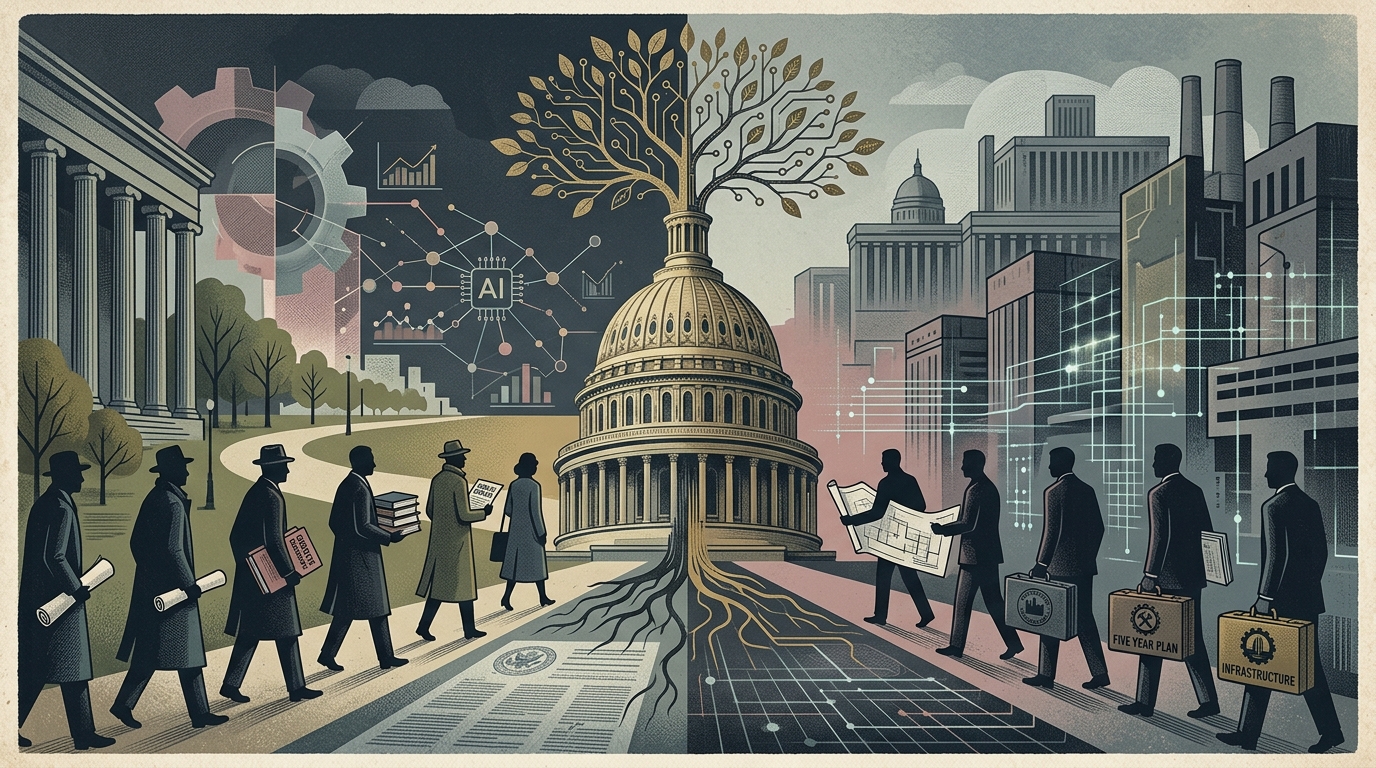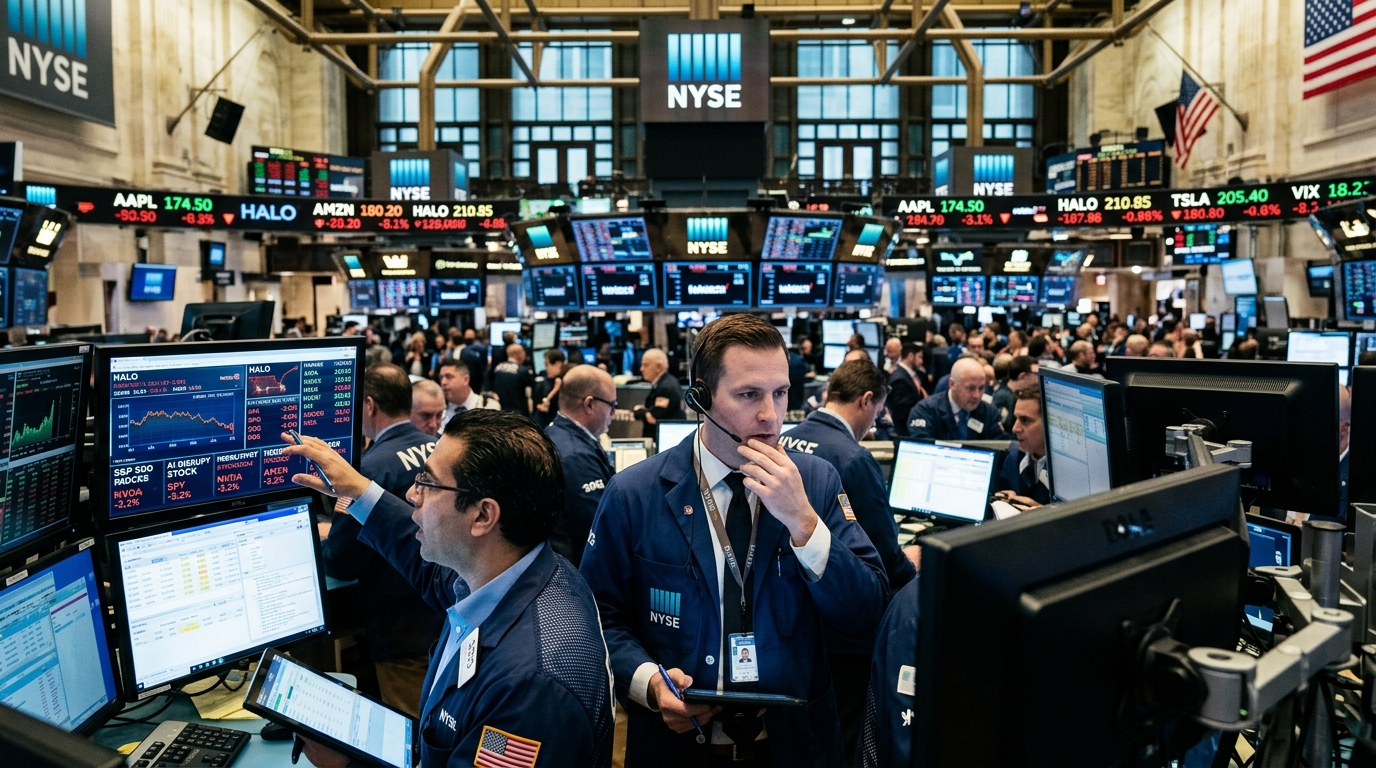
In a move that underscores the irreversible shift of the global economy toward digital infrastructure and artificial intelligence, S&P Dow Jones Indices announced that Marvell Technology and Flex Ltd. will join the S&P 500 later this month. This rebalancing, effective prior to the market open on June 22, 2026, is not merely a technical portfolio adjustment but a profound statement on which industries are now considered the backbones of modern capitalism. The companies departing to make room are Pool Corp. and the historic The Campbell’s Company, two names deeply intertwined with 20th-century American consumer culture.
The Ascent of Semiconductors and Smart Manufacturing
Marvell Technology has evolved into a semiconductor powerhouse, strategically focusing on networking and data storage solutions that power modern data centers. In an era where AI demands immense computational power and lightning-fast data transfer speeds, Marvell sits at the heart of the supply chain. Its inclusion in the S&P 500 reflects the explosive growth of its market capitalization as investors bet that chips will be the "new oil" for decades to come. The company doesn't just manufacture components; it designs the architecture upon which Generative AI is built.
On the other hand, Flex (formerly Flextronics) represents the new face of global manufacturing. Headquartered in Singapore but with deep roots in Silicon Valley, Flex has transformed from a simple contract manufacturer into a strategic partner for companies in healthcare, automotive, and energy sectors. Its ability to manage complex supply chains in a geopolitically volatile environment has made it indispensable. Its entry into the index confirms that value has shifted from the final product to the capacity for flexible, technologically advanced production.
The Retreat of Traditional 'Defensive' Stocks
The exit of The Campbell’s Company is perhaps the most symbolic. For decades, Campbell’s was the quintessential "defensive" stock—a company investors trusted during downturns because "people always have to eat." However, in the 2026 economy, the stagnant growth of consumer staples is no longer enough to maintain a spot in the world's most influential index. Pool Corp., which benefited greatly from the home renovation boom during the pandemic years, is now seeing demand stabilize, falling behind the growth trajectory of tech giants.
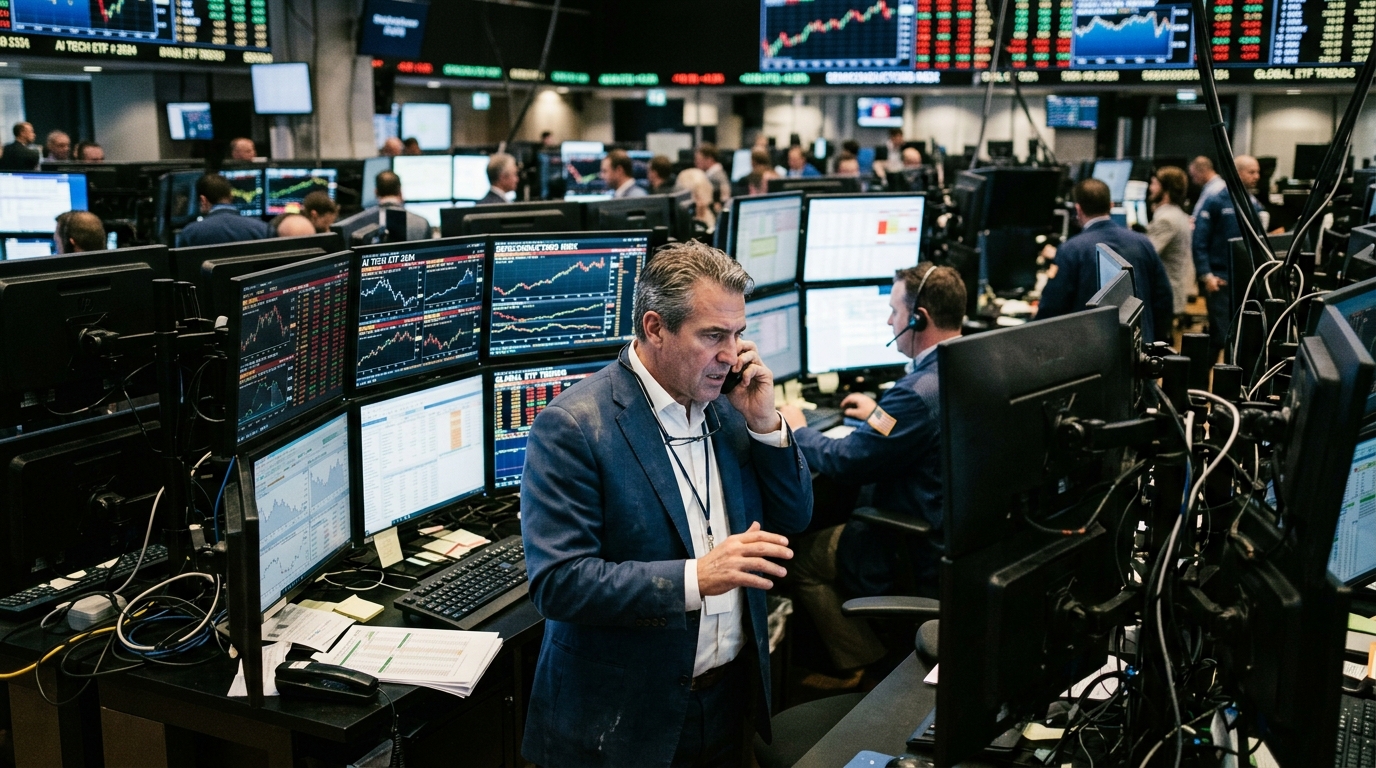
This changing of the guard highlights a harsh market reality: the S&P 500 is increasingly becoming a technology index. While this offers high returns during periods of expansion, it also increases risk concentration. Passive investors holding index funds will now find themselves with greater exposure to the semiconductor sector and less to consumer staples, altering the very nature of "safe" investing.
Economic Implications and the Power of Index Funds
Inclusion in the S&P 500 is not just about prestige; it is a massive financial injection. It is estimated that over $11 trillion is directly or indirectly benchmarked to the index through ETFs and mutual funds. When a stock is added, managers of these funds are contractually obligated to purchase millions of shares of Marvell and Flex, creating an artificial but powerful upward pressure on their prices. Conversely, Campbell’s and Pool Corp. will face massive liquidations as they are removed from the portfolios tracking the index.
In conclusion, this move by S&P Dow Jones Indices validates the new hierarchy of capital. In a data-driven world, the infrastructure that enables data processing (Marvell) and the manufacturing prowess that implements technology (Flex) now outweigh traditional food industries and home luxury goods. It is the official seal of the "Silicon Age" on the global economy.