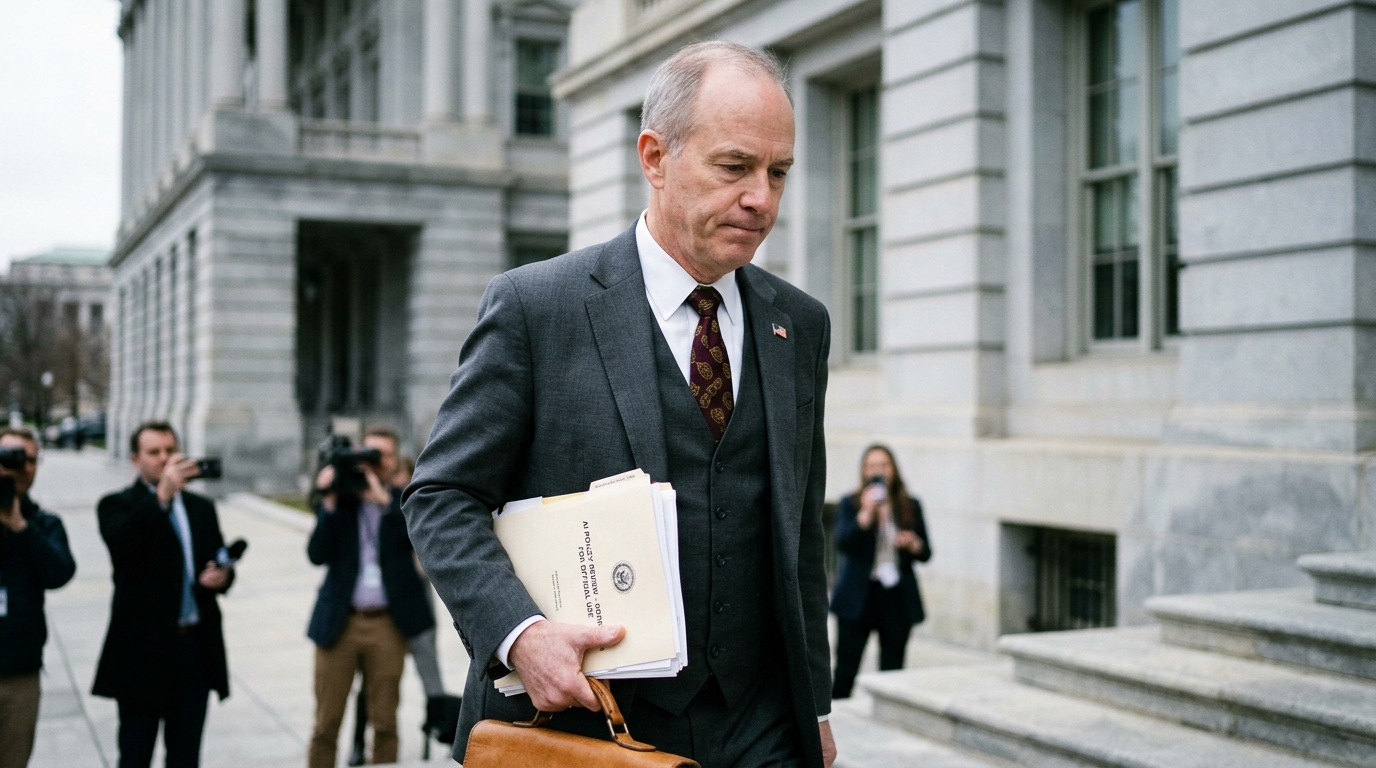
The atmosphere within the halls of the Berlaymont in Brussels resembles a war room. As we progress through May 2026, the European Union faces one of the most significant existential challenges in its modern history: the threat of an all-out trade war with the United States. The administration of Donald Trump, steadfast in its 'America First' doctrine, has set July 4th as the deadline for a new, 'fair' trade agreement, threatening to impose universal tariffs of 10% to 20% on all European goods otherwise.
The July 4th Ultimatum: Symbolism and Substance
The choice of US Independence Day as the deadline is no coincidence. For the White House, it is a move of high symbolism, signaling US 'economic independence' from trade partners that, in Trump's view, have been exploiting the American market for decades. The US trade deficit with the EU, which exceeds $200 billion, is firmly in Washington's crosshairs.
Brussels, for its part, realizes that this time the threat is not merely a bargaining chip. The European Commission has already established a specialized 'task force' working feverishly on a 'carrot and stick' strategy. The 'carrot' involves proposals for massive purchases of American Liquefied Natural Gas (LNG) and agricultural products, such as soybeans, to artificially reduce the deficit. The 'stick' involves a list of retaliatory measures targeting strategic American products, from Harley-Davidson motorcycles to bourbon and high-tech goods.
Sectors in the Eye of the Storm
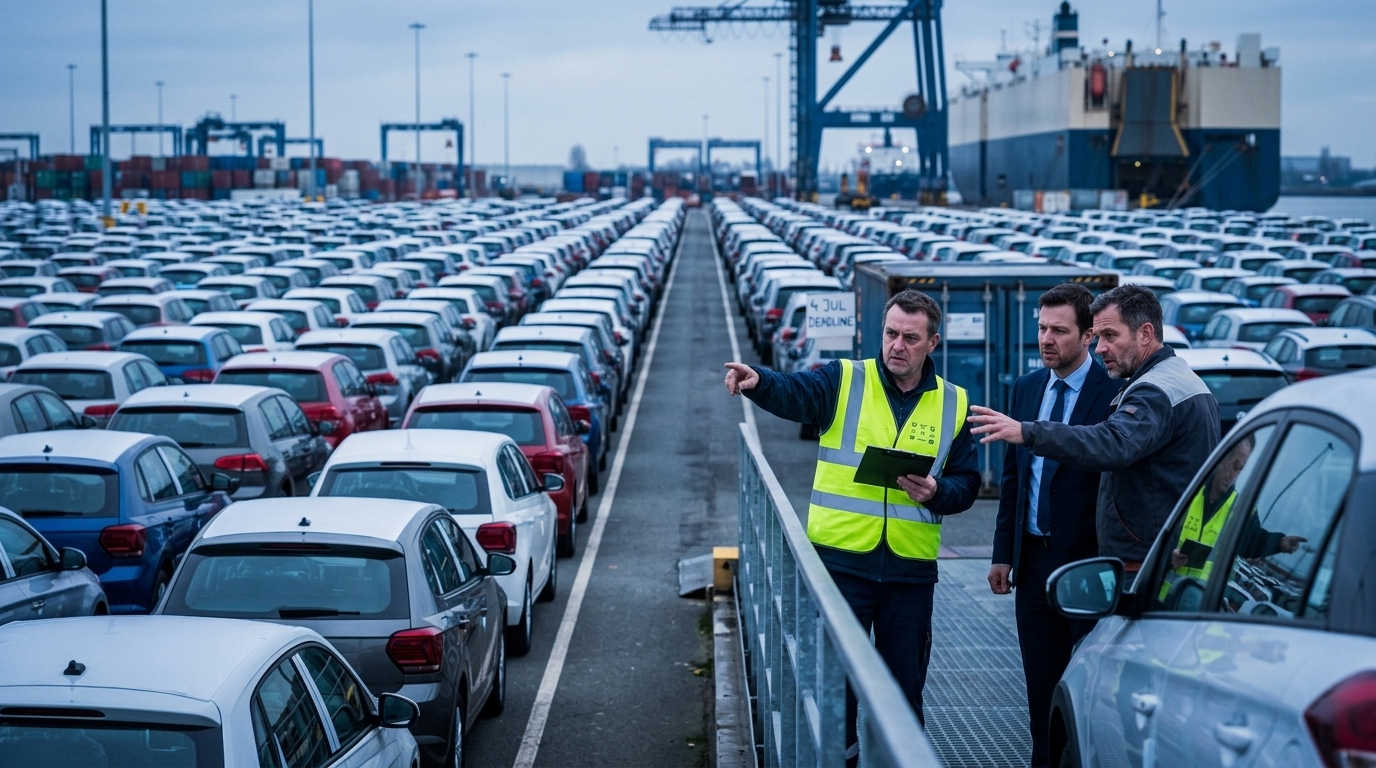
If these tariffs take effect, the consequences for the European economy will be catastrophic. The German automotive industry, already reeling from competition with China and a sluggish transition to electric vehicles, would face a decisive blow. Imposing tariffs on German cars could lead to a reduction in Germany's GDP by at least 1.2% within the first year.
- Automotive Industry: The backbone of European industry risks losing thousands of jobs.
- Luxury Goods: France and Italy would see exports from fashion houses and wineries shrink dramatically.
- Chemicals and Pharmaceuticals: A sector where the EU maintains an advantage, but tariffs would render products uncompetitive in the US market.
According to analysts, the impact will not be limited to exports. Uncertainty is already freezing investments, while European companies are considering moving production to US soil to bypass tariffs—a development that would mean the mass deindustrialization of the Old Continent.
The Geopolitical Dimension: Defense and Trade
The issue is not purely economic. Trump has inextricably linked trade with defense spending within NATO. His rhetoric is clear: 'If you want our protection, you must buy our products and pay for your defense.' This leverage puts the EU in an extremely difficult position as the continent still struggles to recover from the energy crisis and maintain support for Ukraine.
'We are no longer in the era of globalization as we knew it. We are now in the era of economic nationalism, where power trumps rules,' says a senior EU official who wishes to remain anonymous.
The stance of France and Germany will be decisive. While Emmanuel Macron advocates for a more aggressive 'European Sovereignty' approach, Berlin appears more hesitant, fearing retaliatory strikes against its exports. The lack of a unified front within the EU is perhaps Trump's greatest advantage in this negotiation.
Conclusion: Towards a New World Order?
July 4th, 2026, may go down in history as the day transatlantic trade changed forever. If the EU yields to Washington's demands, it will have accepted a relationship of vassalage. If it reacts forcefully, it risks a recession that could last for years. The only certain outcome is that the era of free trade, as we knew it, is breathing its last, giving way to a fragmented world where tariffs are used as weapons and alliances are judged by the current account balance.