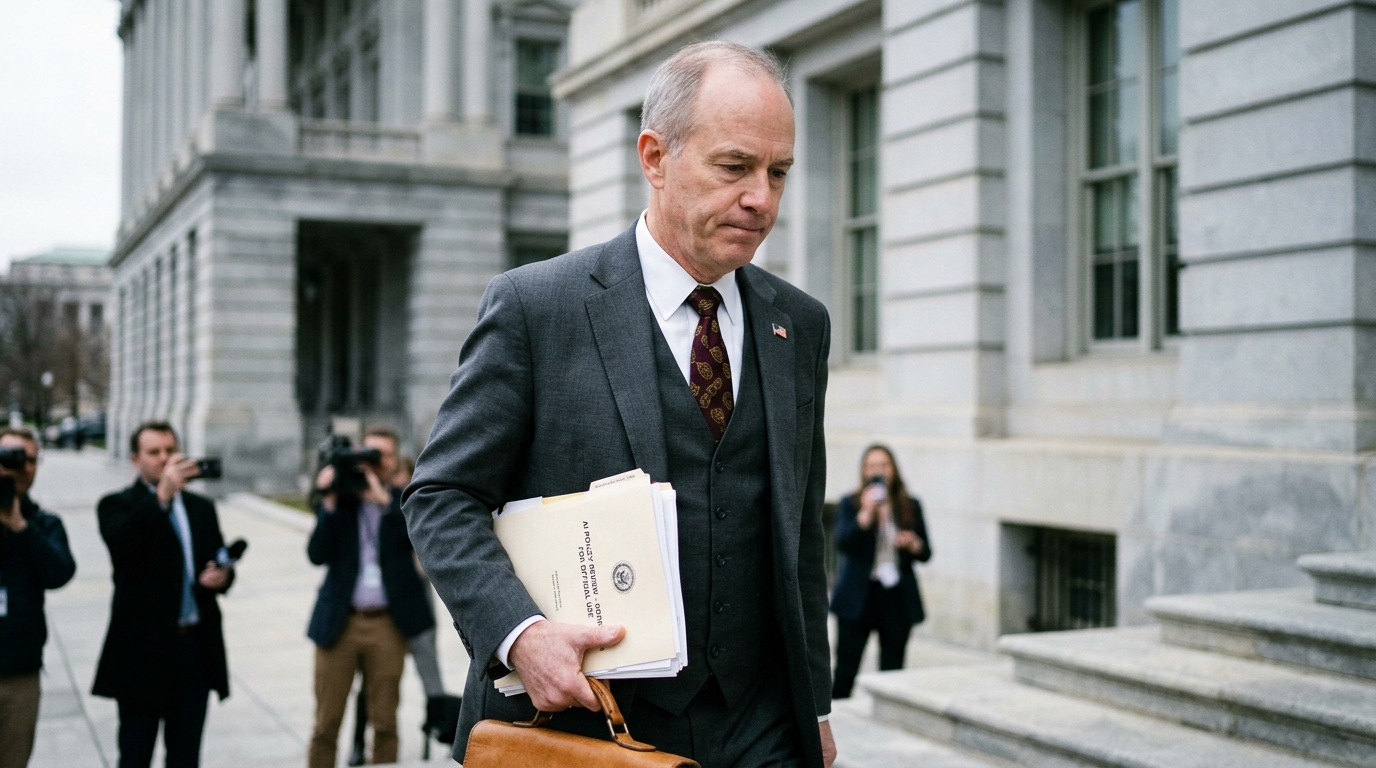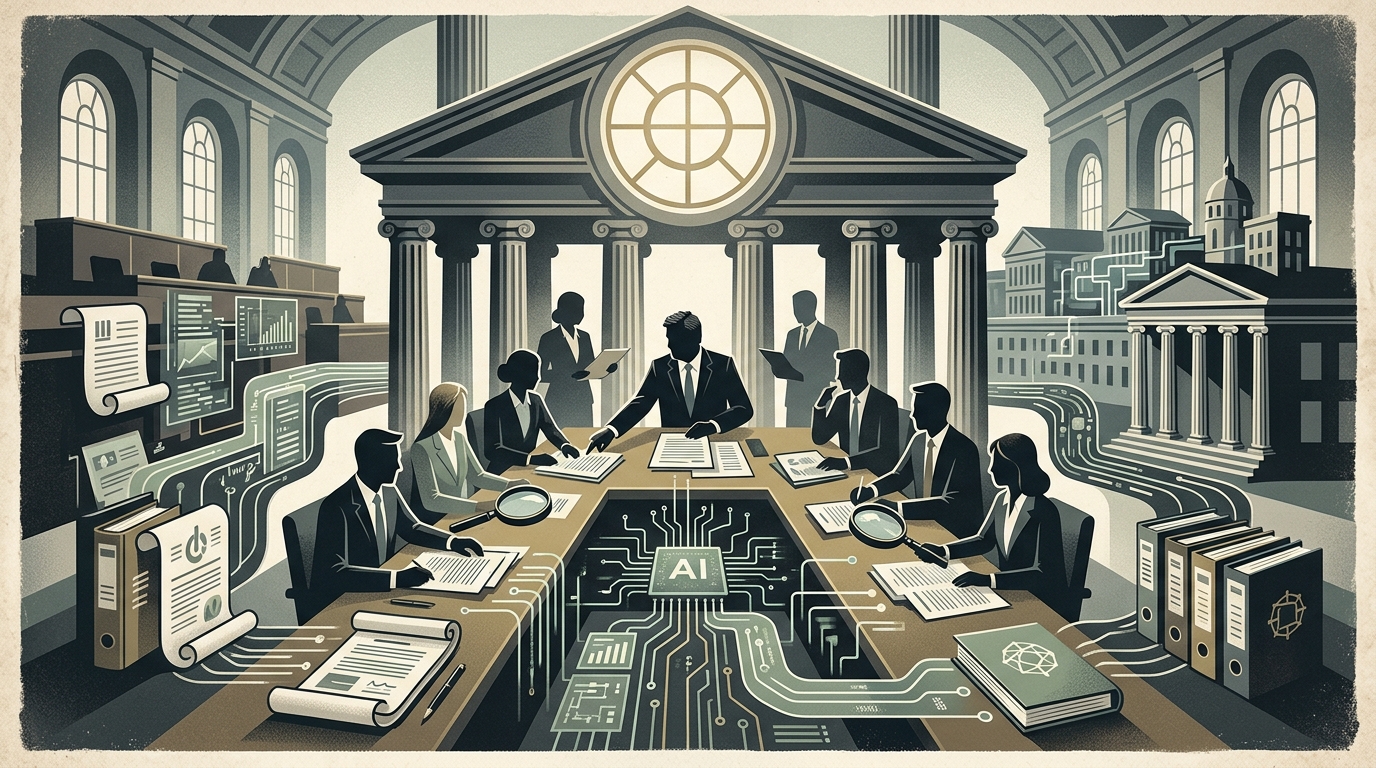
In an era where Artificial Intelligence (AI) is radically transforming the global financial landscape, the European Central Bank (ECB) is adopting a stance of heightened vigilance. José Luis Escrivá, a member of the ECB Governing Council, delivered a significant intervention, emphasizing that the rapid penetration of AI into financial services necessitates a fundamental reassessment of our infrastructure's resilience. According to Escrivá, the complexity of algorithms and the speed of automated transactions are creating new pockets of systemic risk that traditional oversight mechanisms may no longer be able to contain.
The Challenge of Digital Resilience
The core of Escrivá’s argument focuses on the concept of "infrastructure." He is not merely referring to physical networks but to the "digital pipes" of the euro—the clearing, payment, and settlement systems that form the backbone of the Eurozone. While integrating AI into these systems offers immense efficiency gains, it also introduces the "black box" phenomenon. When decisions regarding liquidity or risk management are made by opaque algorithms, a minor glitch can escalate into a systemic crisis within fractions of a second.
Escrivá stressed that the ECB must ensure these infrastructures are "hardened" against AI-supported attacks and internal algorithmic failures. Resilience is no longer just a matter of cybersecurity; it is a matter of understanding the very logic of the models running the economy. The need for "Explainable AI" in the banking sector is becoming imperative, enabling regulators to intervene effectively before a crisis manifests.
Stablecoins and Monetary Sovereignty
Beyond AI, Escrivá revisited the issue of stablecoins. As technology facilitates the creation of private digital currencies promising stability, the risk to the monetary sovereignty of central banks grows. The Spanish banker was clear: the ECB must remain the "ultimate guarantor" of financial stability. Stablecoins, while useful for payment innovation, lack the institutional safety provided by a central bank during periods of intense volatility.
The concern lies in the fact that during a crisis, stablecoin holders might flock en masse to public money, causing a system chokehold if proper safeguards are not in place. Escrivá argued that the ECB's response must be twofold: stricter regulation for private providers and an acceleration of the process for the Digital Euro, which would offer the technological flexibility of AI and blockchain with the state's guarantee.
The Role of the "Guarantor" in the Automation Age
The discussion regarding the central bank's role as the "lender of last resort" is taking on a new dimension. In an environment where AI can trigger "flash crashes," the ECB must be capable of providing liquidity at the same speed as the algorithms operate. This requires upgrading its own technological toolkit. Escrivá proposes a proactive approach where supervision occurs in real-time through SupTech (Supervisory Technology) tools.
- Assessment of risks arising from the concentration of power among a few AI infrastructure providers (e.g., Cloud providers).
- Establishment of protocols to address algorithmic distortions in bond markets.
- Strengthening cooperation among EU central banks to collectively address cross-border digital threats.
In conclusion, Escrivá reminded his audience that technology is a tool, not an end in itself. The ECB's mission remains the maintenance of price stability and the protection of citizens. In the age of AI, this mission involves full control over the infrastructure that allows money to circulate. The review he proposes is not a bureaucratic exercise but a necessary adaptation to a new reality where risk no longer has a human face, but a code.