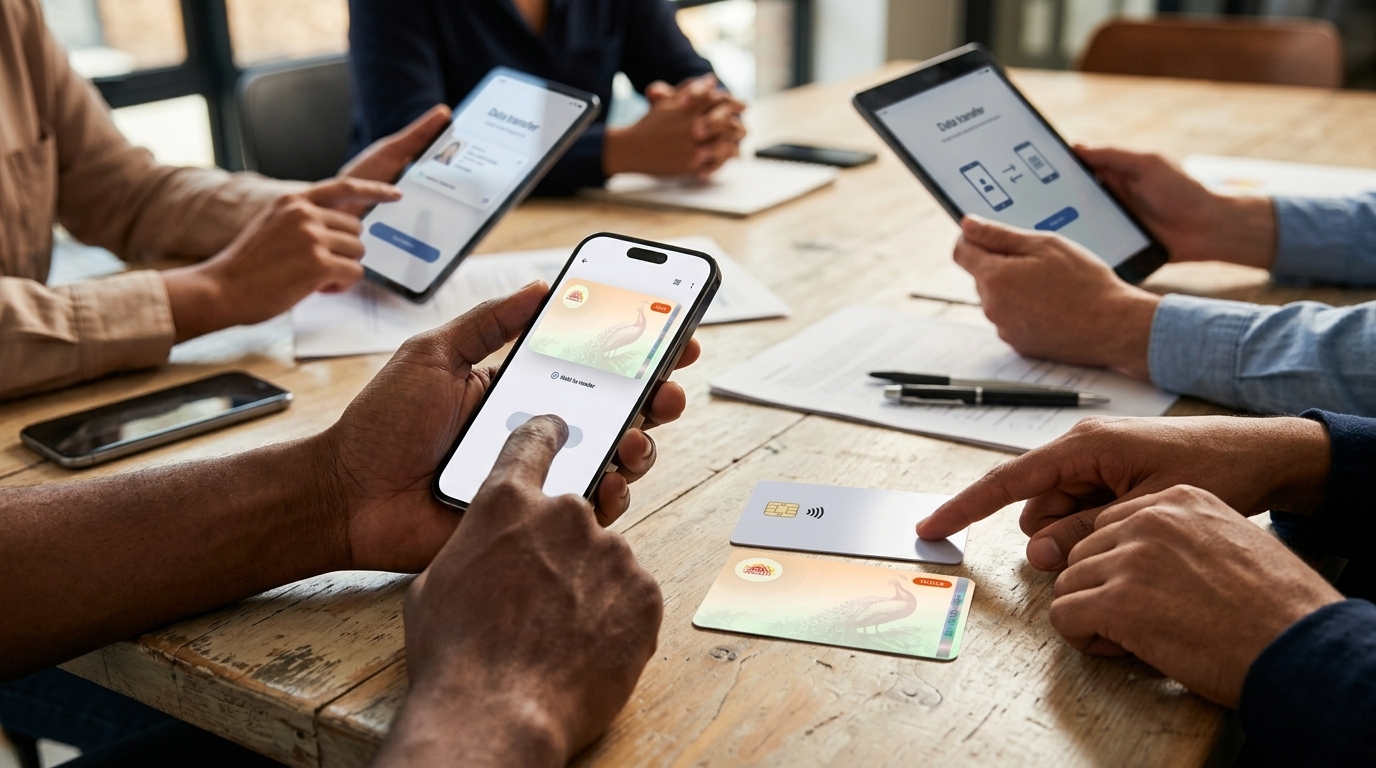
The transition from the physical wallet to its digital counterpart is no longer a futuristic promise; it is a rapidly evolving reality reshaping the relationship between citizens and the state. Recently, Google announced a significant expansion of Google Wallet's capabilities, allowing users in India to save their 'Aadhaar Verifiable Credentials' directly onto their devices. This move is more than a technical upgrade; it is a milestone for the world’s largest biometric identification system, serving over 1.3 billion people.
The Indian Model and Its Global Influence
The Aadhaar system forms the backbone of India’s digital infrastructure, often referred to as the 'India Stack.' Until now, access to it was primarily through government-sanctioned apps or physical cards. The partnership with Google introduces a critical shift: the use of 'Verifiable Credentials.' This technology enables identification without the need to share all of a user’s sensitive data. For instance, a citizen can prove they are over 18 without revealing their exact birth date or home address.
India serves as the ultimate laboratory for digital identity at scale. If this model succeeds, it will become the blueprint for many developing economies looking to bypass the bureaucratic hurdles of the past. Google, recognizing this potential, is not stopping in India. It is expanding similar features across the US (with mobile driver’s licenses in states like California and Arizona), Brazil, and EU member states, aligning with the eIDAS 2.0 framework.
The Technology Powering Security
The security of digital IDs remains the primary point of contention. Google maintains that data is stored locally on the device within a 'Secure Element' or 'Trusted Execution Environment' (TEE), ensuring that even the company itself cannot access the identity information. The use of W3C standards for Verifiable Credentials ensures that the ID is cryptographically signed by the issuing authority (in this case, India’s UIDAI), making forgery virtually impossible.
- Local data storage without cloud synchronization for maximum privacy.
- Cryptographic verification eliminating the need for physical document presentation.
- Selective Disclosure features to protect personal information.
However, concentrating such critical information within a platform controlled by a tech giant raises questions about digital sovereignty. While the convenience is undeniable, the reliance on the Android operating system to access basic civil rights creates a new form of 'vendor lock-in' that policymakers are beginning to scrutinize.
Toward a Global Digital Passport?
The expansion of digital identities is not just about domestic governance. The ultimate goal is interoperability. Imagine a world where a digital ID from India or Greece is instantly recognized at a New York airport or a London bank, without the need for physical documents that can be stolen or lost. Google is positioning itself as the global facilitator of this process.
"Digital identity is the key to financial inclusion in the 21st century," market analysts suggest. "Whoever controls the wallet controls the gateway to the digital economy."
In Europe, developments are equally swift. The European Digital Identity Wallet (EUDI Wallet) aims to give citizens full control over their data, with Google and Apple racing to integrate these state standards into their own ecosystems. The battle for dominance in digital identity has only just begun, and India represents the first major testing ground for how technology might replace traditional institutions.