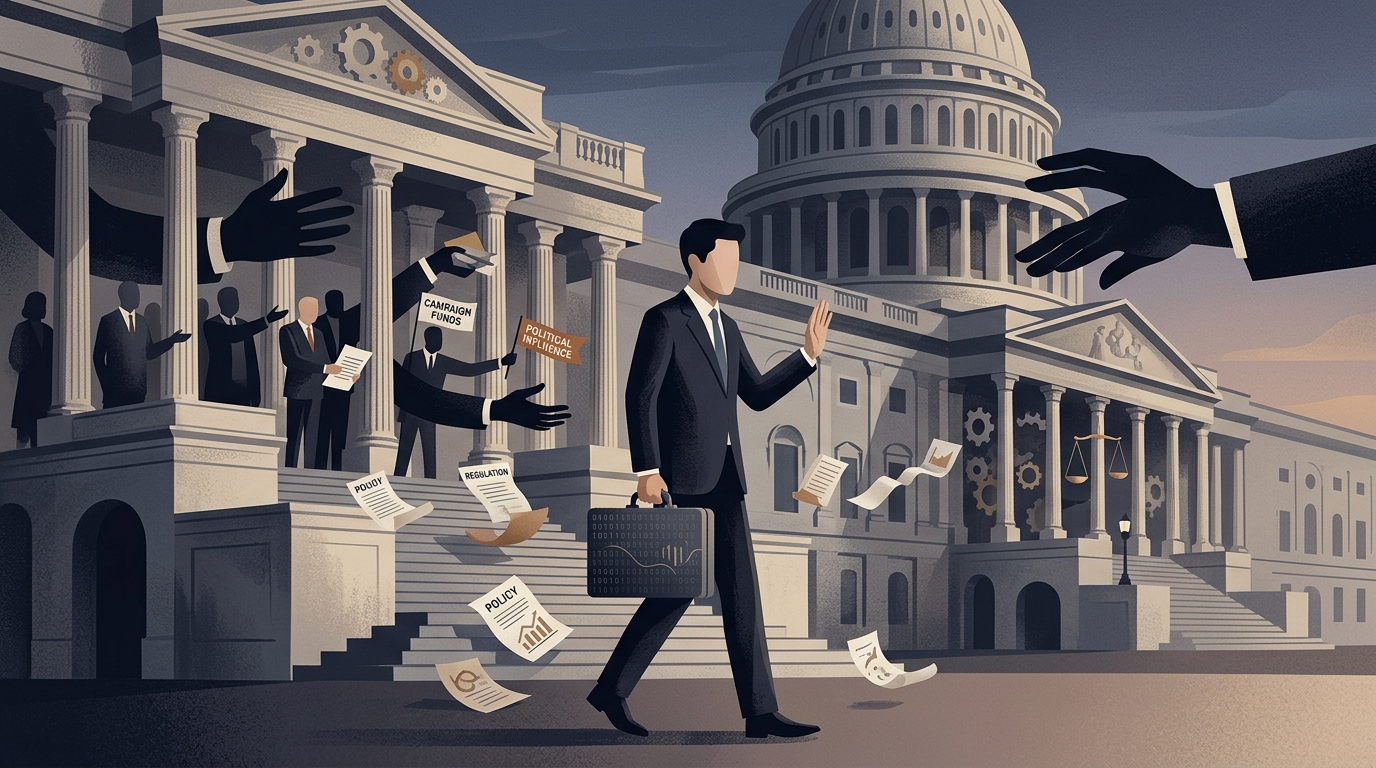
The rapid evolution of technology, from social media platforms to generative artificial intelligence (AI), has brought parents and policymakers to a critical crossroads. Recently, Jay Goldberg, writing for the Winnipeg Sun, posed a compelling question that resonates across the Western world: Who bears the ultimate responsibility for protecting children in the digital sphere? While governments from Australia to the United States consider strict bans and age limits, the argument that responsibility must remain with parents is gaining momentum, highlighting the need for personal liberty and digital literacy over state intervention.
State Paternalism vs. Family Autonomy
The trend of governments legislating "protective walls" around the internet is not new, but its intensity has surged. Goldberg argues that blanket bans represent a form of state paternalism that undermines the role of the family. When the state decides when a child is ready to enter the digital arena, it strips parents of the ability to judge based on their own child's maturity. Furthermore, the technical difficulties of enforcing such measures are immense. Requiring government identification to access social networks raises serious privacy concerns for all citizens, not just minors.
At the heart of this argument lies the belief that parents are the best judges of their children's needs. A parent might allow the use of AI tools for educational purposes, such as learning to code or assisting with research, while simultaneously restricting exposure to addictive algorithms. A state-mandated ban cannot make these nuanced distinctions.
Artificial Intelligence: A New Frontier of Risk and Opportunity
The debate is further complicated by the rise of Artificial Intelligence. Unlike traditional social media, AI is not merely a communication medium but a cognitive partner. The risks here are different: from the creation of deepfakes and automated harassment to the shaping of opinions through biased algorithms. However, the solution cannot be total exclusion. Children who grow up without familiarity with AI will find themselves at a disadvantage in tomorrow's job market.
Goldberg points out that the solution lies in tools that already exist. Most platforms and operating systems (iOS, Android, Windows) offer sophisticated parental controls. The problem, therefore, is not a lack of technological barriers, but a lack of parental awareness on how to use them. Instead of the state spending resources on enforcing bans that are often bypassed with a simple VPN, it should be investing in the education of parents and educators.
The Privacy and Surveillance Dilemma
Another critical aspect of state intervention is the creation of surveillance infrastructures. To verify a user's age accurately, tech companies would need to collect sensitive biometric data or identification documents. This creates a centralized database that becomes a target for hackers and a tool for government surveillance. Goldberg and other privacy advocates warn that in the name of protecting children, we risk sacrificing the anonymity and freedom of all internet users.
- Parental controls allow for a personalized approach to digital safety.
- State-mandated age verification threatens the privacy of adult users.
- Digital literacy is more effective than prohibition in the long run.
- AI requires active guidance and mentorship, not isolation.
Toward a Model of Shared Responsibility
In conclusion, the challenges of the digital age will not be solved by legislation that mirrors a bygone era. Technology moves faster than bureaucracy. Jay Goldberg’s approach highlights a fundamental truth: democracy and liberty begin at home. Parents must assume the role of "digital mentors," guiding their children through the pitfalls of social media and the vast potential of AI. The state, for its part, must ensure that tech companies are transparent and that parents have the necessary tools at their disposal. Protecting minors is a collective duty, but the leadership of this effort rightfully belongs to the family.