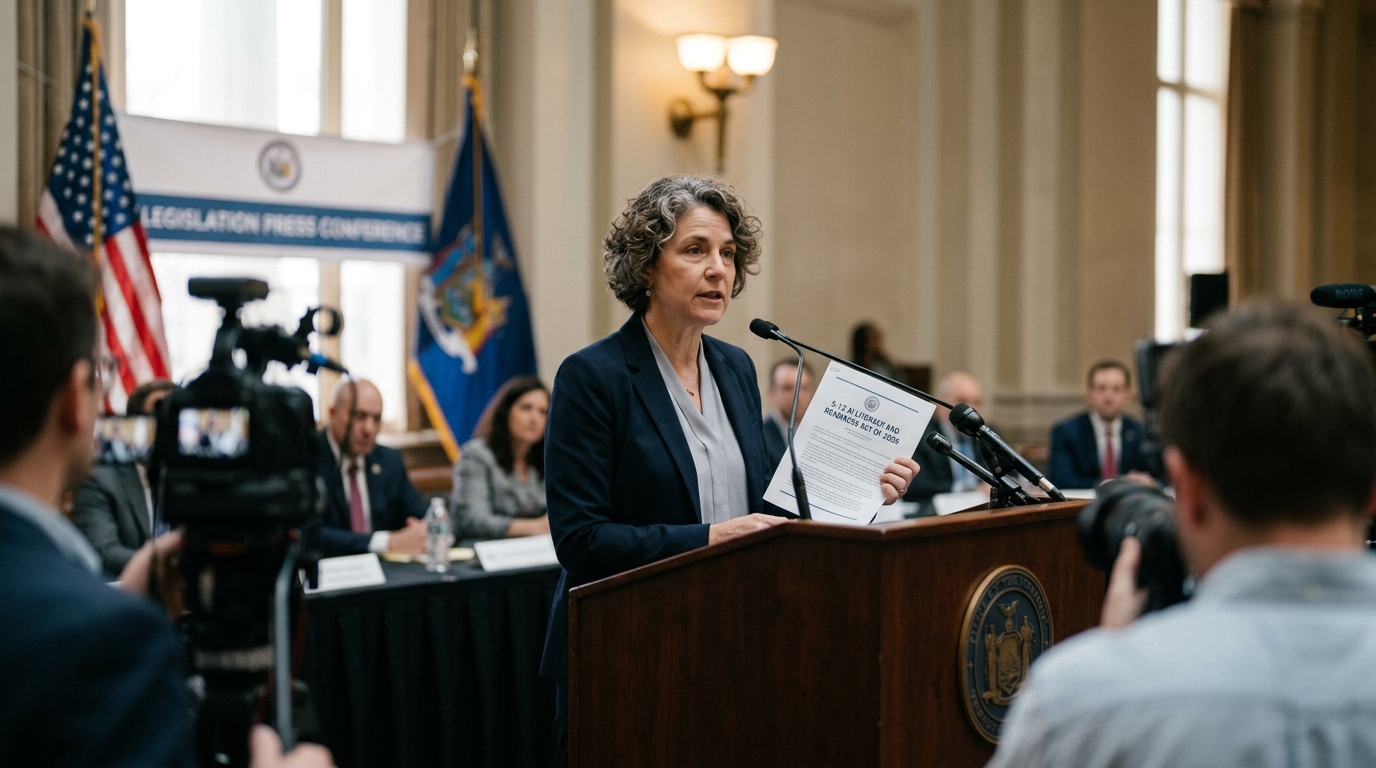
In an era where Artificial Intelligence (AI) has shifted from a futuristic vision to an essential thread in the fabric of daily life, American legislation is finally attempting to outpace the rapid curve of innovation. Congressman Fine introduced the "K–12 AI Literacy and Readiness Act of 2026" today, a legislative framework designed to redefine the essence of basic education in the 21st century. This move is more than a mere educational reform; it is a strategic investment in national security and the long-term economic competitiveness of the United States.
Architecting a New Educational Reality
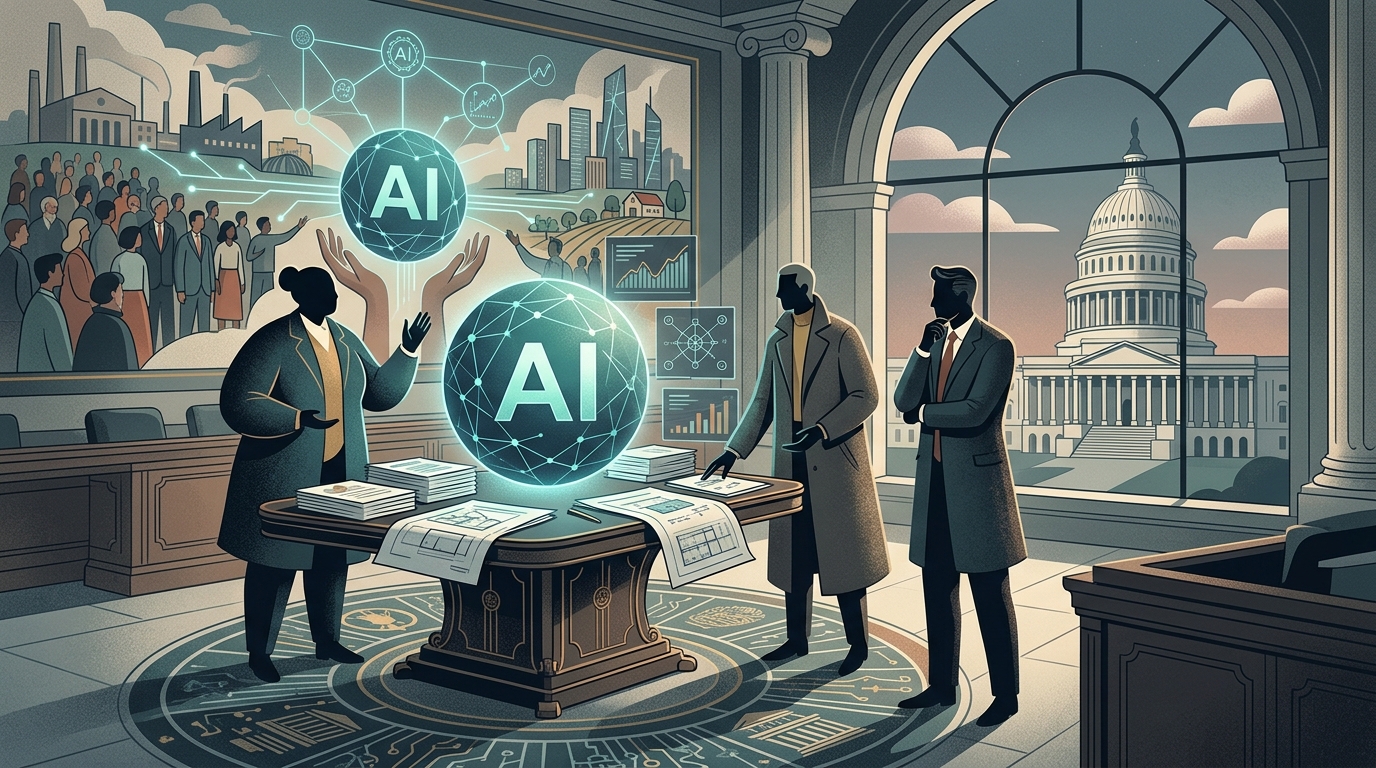
The bill proposes a comprehensive structure for introducing AI literacy at all levels of primary and secondary education, from kindergarten through 12th grade. A central pillar of the proposal is the establishment of federal grants for school districts that adopt curricula focused on understanding algorithms, data ethics, and the practical application of generative AI tools. According to the bill's text, the objective is not to turn every student into a software engineer, but to ensure every citizen possesses the ability to interact critically and effectively with intelligent machines.
A significant emphasis is placed on teacher professional development. Recognizing that teaching staff are often a step behind their students in adopting new technologies, the bill provides for the creation of National AI Teacher Training Centers. These centers will offer certifications and ongoing support, ensuring that educators serve as navigators in this new digital landscape rather than mere observers.
Ethics, Privacy, and the Digital Divide
One of the most debated aspects of the bill involves the stringent safeguards for protecting minors' data. In a world where AI models thrive on vast datasets, ensuring that student information is not exploited for commercial gain or used to train opaque algorithms is paramount. The bill mandates that tech companies partnering with schools must adhere to strict anonymization and transparency protocols.
- Establishment of national standards for "Algorithmic Literacy."
- Protection of student intellectual property from being used for AI model training.
- Funding for hardware procurement in underserved areas to prevent a new "technological apartheid."
However, critics of the bill point to the risk of further widening the gap between wealthy and impoverished school districts. Despite the allocated funds, the bureaucracy required to access them may favor schools that already have the infrastructure to draft complex grant proposals. Responding to these concerns, Congressman Fine emphasized that the bill includes a specific "Equity Priority Clause," directing 40% of resources toward schools serving low-income communities.
Geopolitical Implications and the Future of Work
Beyond the classroom, the K–12 AI Literacy and Readiness Act is a direct response to global competition. With China having integrated AI into its curriculum as early as 2018 and the European Union focusing on ethical regulation via the AI Act, the U.S. feels the pressure to cultivate a workforce capable of leading the next industrial revolution. The ability of a high school graduate in 2030 to understand the mechanics of a neural network will be as fundamental as reading and writing.
"We are not just preparing students for the jobs of tomorrow; we are preparing them for a world where AI will be their permanent collaborator," Fine stated during the bill's introduction.
In conclusion, this bill represents the first serious federal effort to provide a coordinated response to the challenge of AI in education. If passed, it will mark the beginning of a new era where technology is not an extracurricular tool but the very fabric of the learning process. Its success will be measured not only by the dollars spent but by whether it manages to produce citizens who control technology, rather than being controlled by it.