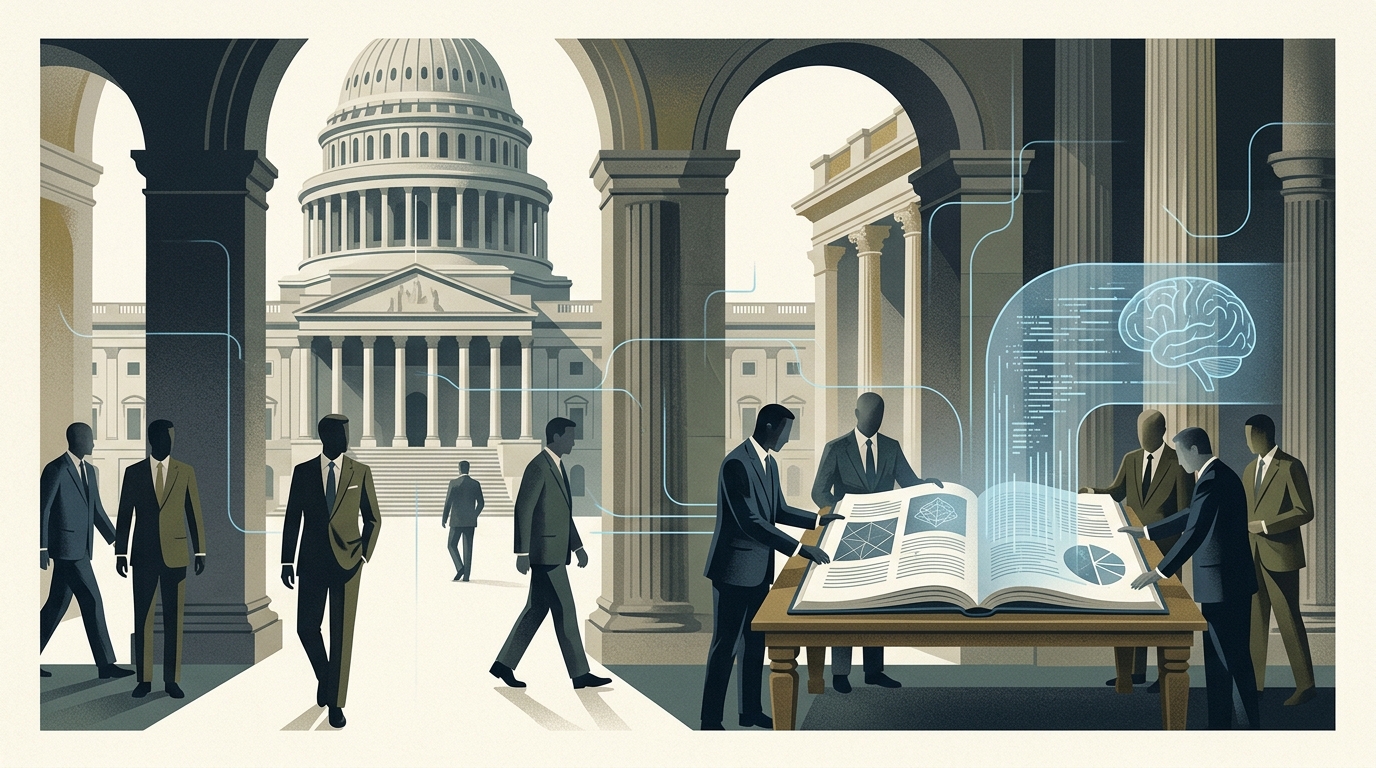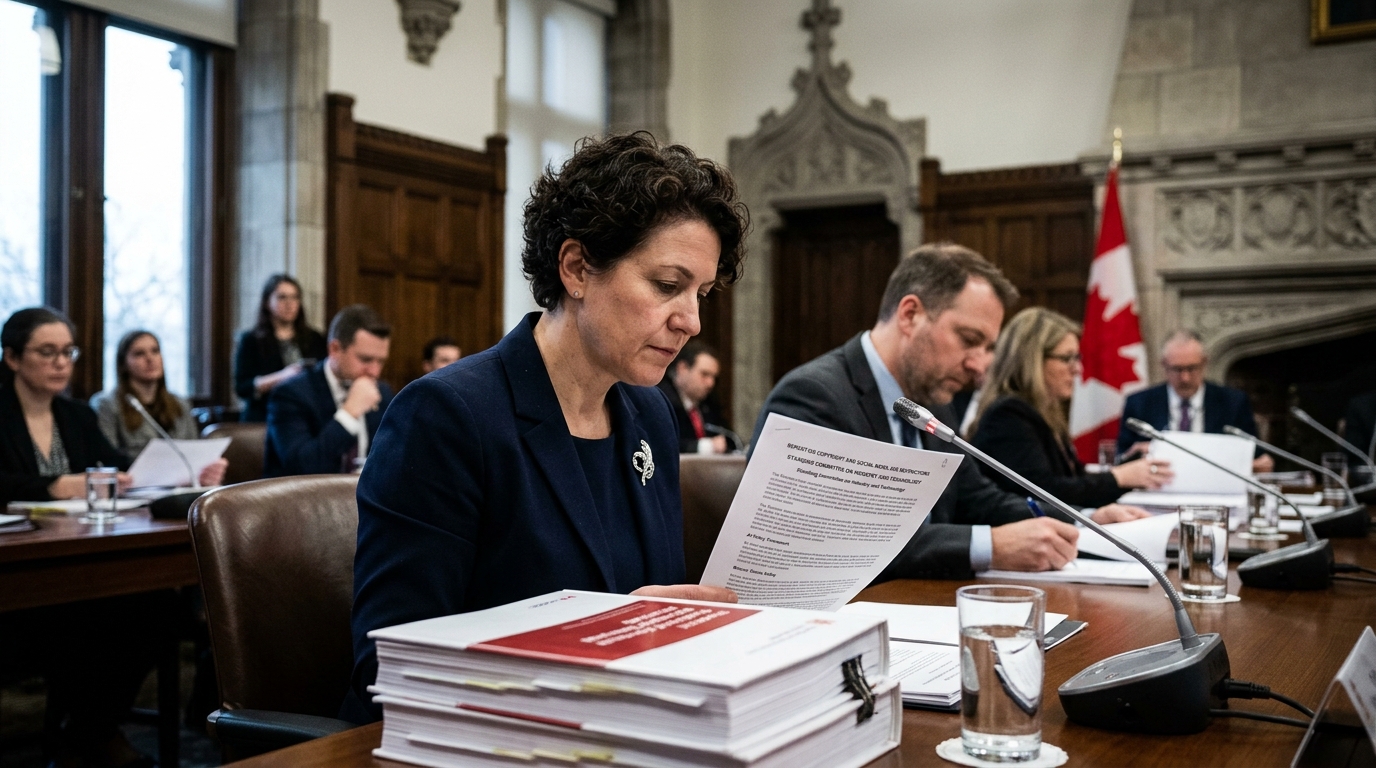
In the high-octane atmosphere of Web Summit, Canada’s recent policy announcements mark a pivotal shift in digital governance. Long known for balancing American-style innovation with European-style regulation, Canada is now positioning itself at the vanguard of two critical frontiers: the protection of intellectual property against Generative AI (GenAI) and the implementation of age restrictions for social media platforms.
The Copyright Conundrum in the Age of AI
The meteoric rise of Large Language Models (LLMs) has thrust the concept of 'fair dealing' into the spotlight. Canadian creators—ranging from novelists to musicians—are voicing profound concerns that their life's work is being ingested by AI models without consent or compensation. At Web Summit, the Canadian delegation, led by Industry Minister François-Philippe Champagne, signaled that innovation cannot be built on the back of an exploited creative economy.
The legal framework under review aims to clarify whether AI training falls under current copyright exemptions. Proposed changes are expected to mandate transparency regarding training datasets, giving rights holders the power to opt-out or negotiate licensing fees. This move is seen as essential for preserving Canadian cultural sovereignty in a digital landscape increasingly dominated by global algorithmic trends.
- Mandatory transparency for AI training data sources.
- Development of compensation mechanisms for local creators.
- Safeguards against cultural homogenization by AI models.
Social Media Age Restrictions: A Necessary Shield?
Parallel to the AI debate, Canada is contemplating drastic measures to safeguard youth mental health. Drawing inspiration from Australia’s legislative push, Canada is weighing a minimum age requirement—potentially 16—for social media access. This initiative is a cornerstone of the broader Online Harms Act (Bill C-63), which seeks to hold platforms accountable for the psychological safety of their youngest users.
The discussions at Web Summit highlighted the immense technical and ethical hurdles of such a policy. Age verification mechanisms raise significant privacy red tape: how can a state verify a child's age without collecting intrusive biometric or identification data? Critics argue that these restrictions might drive minors toward unregulated 'dark' corners of the web, while proponents insist that the current mental health crisis among teens demands immediate, structural intervention.
"We cannot allow social media platforms to treat our children's mental health as a variable in an engagement algorithm," a Canadian official remarked during a panel discussion.
The Collision with Big Tech
Canada's assertive stance puts it on a collision course with Silicon Valley. Following the friction over the Online News Act—which led Meta to block news content in Canada—Ottawa seems braced for a protracted legal and economic struggle. Tech giants argue that stringent copyright rules will stifle AI development, potentially leading to a 'brain drain' of Canadian researchers to the United States.
However, the Canadian strategy is rooted in the belief that 'Responsible AI' is the only sustainable path forward. By creating a secure digital environment for citizens and a fair marketplace for creators, Canada hopes to attract ethical investment. The challenge lies in enforcing these domestic standards without becoming a digital island isolated from the global tech ecosystem.
Conclusions and Global Implications
Canada’s approach is a live experiment that the world is watching closely. If it succeeds in regulating AI copyright while effectively protecting minors on social media, it will provide a blueprint for other middle-power nations. Success will depend on the government's ability to engage with the tech community to ensure that regulations are technically viable and socially equitable. The message from Web Summit is clear: the era of unregulated technological expansion is ending, replaced by a new epoch of responsibility and accountability.