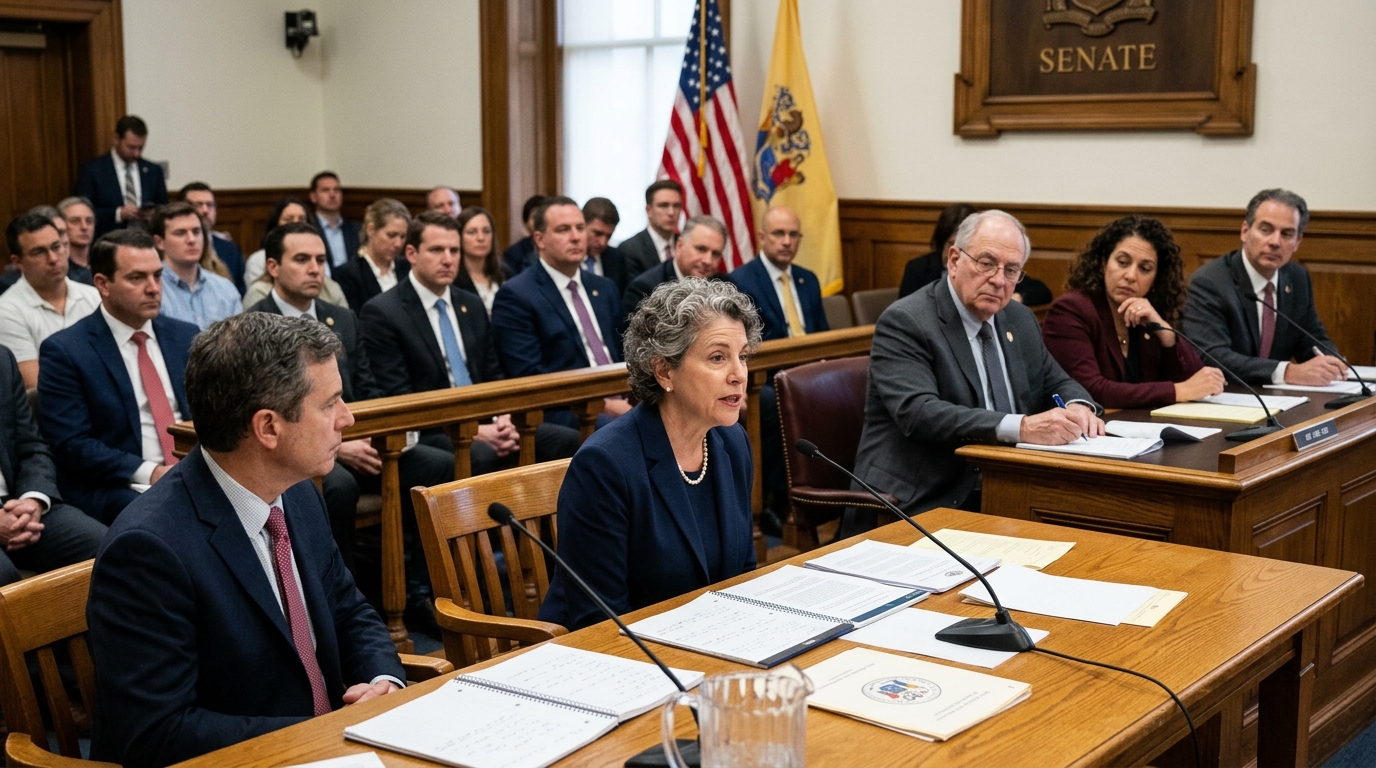
In a move poised to reverberate across the United States legislative landscape, Colorado has finalized the revision of its landmark Artificial Intelligence Act (SB24-205). As we navigate mid-2026, the details of this overhaul reveal a state striving to strike a delicate balance between fostering technological innovation and the urgent necessity of protecting citizens from algorithmic bias, particularly within the sensitive sphere of financial services.
Targeting 'High-Risk' Systems
The revised law doubles down on its focus regarding "high-risk" AI systems. These are defined as algorithms that make decisions with significant consequences for individuals' lives, including loan approvals, insurance premiums, recruitment processes, and housing access. The new legislation mandates a "duty of care" for both developers and deployers of these systems to proactively avoid algorithmic discrimination.
For the financial sector, this translates to a requirement that any machine learning model used for credit scoring must now undergo rigorous, periodic audits. Companies are legally obligated to provide consumers with clear, plain-language explanations for adverse decisions made by AI, granting them the right to appeal the outcome and demand human review.
The Developer vs. Deployer Distinction
One of the most critical refinements in the updated law is the clear demarcation of responsibilities between "developers" (those who build the software) and "deployers" (the enterprises that implement it). Developers are now required to provide extensive documentation regarding training data sets and potential bias risks. Conversely, the deployers—such as banks and insurance firms—bear the primary responsibility for the ethical application and ongoing monitoring of the system's real-world outputs.
- Mandatory annual impact assessments for all high-risk AI deployments.
- Public disclosure requirements when AI is used in consumer-facing decisions.
- Robust enforcement powers granted to the Colorado Attorney General for non-compliance.
Political Friction and Market Implications
The rewrite was not without its detractors. Tech industry associations argued that the stringent documentation requirements could stifle innovation and deter startups from establishing roots in Colorado. However, consumer advocacy groups maintain that the law serves as a vital bulwark against the "black box" of algorithmic decision-making.
"We cannot allow lines of code to determine the future of our citizens without transparency. AI must serve society, not arbitrarily classify it," remarked a key member of the legislative committee.
Nationally, Colorado is serving as a high-stakes policy laboratory. With Congress remaining deadlocked on comprehensive federal AI legislation, individual states are taking the lead. Colorado's approach is viewed as more pragmatic than California's initial proposals, focusing heavily on outcomes—specifically discrimination—rather than the underlying technology itself, a model likely to be emulated by other states heading into 2027.
The Future of Compliance
As businesses adapt to these new mandates, we are witnessing the emergence of a specialized industry: AI auditing. Consulting firms and legal experts are being tapped to certify that algorithms do not violate civil rights. For the average consumer, this promises an era of greater equity, where a random correlation in a dataset no longer stands as an insurmountable barrier to securing a mortgage or a career opportunity.