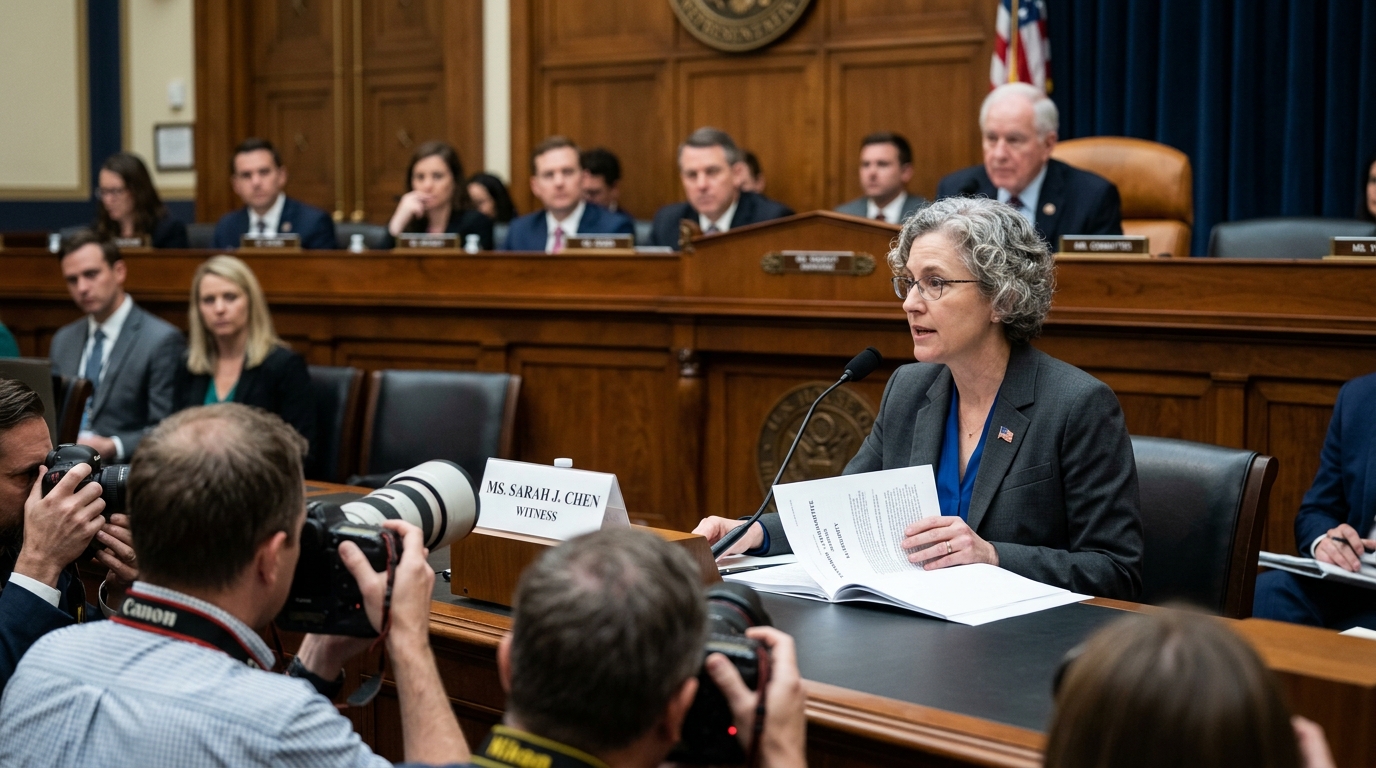
In a landmark move poised to reshape the landscape of digital governance in the United States, Colorado has enacted one of the most rigorous and comprehensive artificial intelligence (AI) laws globally. Senate Bill 24-205, signed into law by Governor Jared Polis, represents more than a local regulation; it is a bold attempt to fill the federal vacuum in protecting citizens from the unintended consequences of algorithmic systems.
The legislation focuses on preventing "algorithmic discrimination" in high-stakes sectors such as employment, housing, banking, insurance, and healthcare. For the first time on American soil, developers and deployers of AI systems are legally mandated to exercise a "duty of reasonable care" to avoid biases that could marginalize protected classes based on race, gender, or age.
Focusing on "High-Risk" Systems
The core of the new law lies in its classification of AI systems. Colorado has adopted an approach similar to the European Union’s AI Act, focusing on applications that make "consequential decisions" regarding human lives. When an algorithm determines who receives a loan or who is shortlisted for a job interview, the law demands transparency and regular audits.
Companies developing these systems must now provide detailed documentation regarding the data used to train their models and publicly release summaries of identified risks. Conversely, deployers—the businesses using these tools—are required to implement risk management programs and inform consumers whenever an AI-driven decision affects them significantly.
Political Friction and Silicon Valley’s Pushback
The path to the Governor’s desk was fraught with tension. Even as he signed the bill, Governor Polis expressed reservations, noting that the legislation could stifle innovation and create a convoluted legal environment if every state pursues its own path. The tech industry, through powerful lobbying groups, fought until the eleventh hour to dilute the provisions, arguing that the requirements for annual impact assessments are prohibitively expensive for startups.
However, civil rights advocates have hailed the move as a necessary defense against the "black box" of algorithms. Their critique centers on the fact that without strict oversight, AI tends to replicate and amplify existing social inequalities hidden within historical datasets. For these proponents, the cost of compliance is a small price to pay for social equity.
The Domino Effect and the Future of AI Governance
Colorado’s move is seen as the catalyst that will likely spur states like California and New York into similar actions. At a time when the U.S. Congress remains polarized and sluggish regarding tech regulation, states are stepping up as the "laboratories of democracy." Yet, this trend carries the risk of a fragmented regulatory landscape—a patchwork of laws where a company might face different requirements in Denver than it does in Seattle.
The ultimate question remains one of enforcement. The law will fully take effect in 2026, providing businesses with a grace period to adjust their operations. Its success will be measured by the Colorado Attorney General’s ability to enforce penalties and audit tech giants without strangling the local knowledge economy. Colorado has set the bar; now the world watches to see who can clear it.