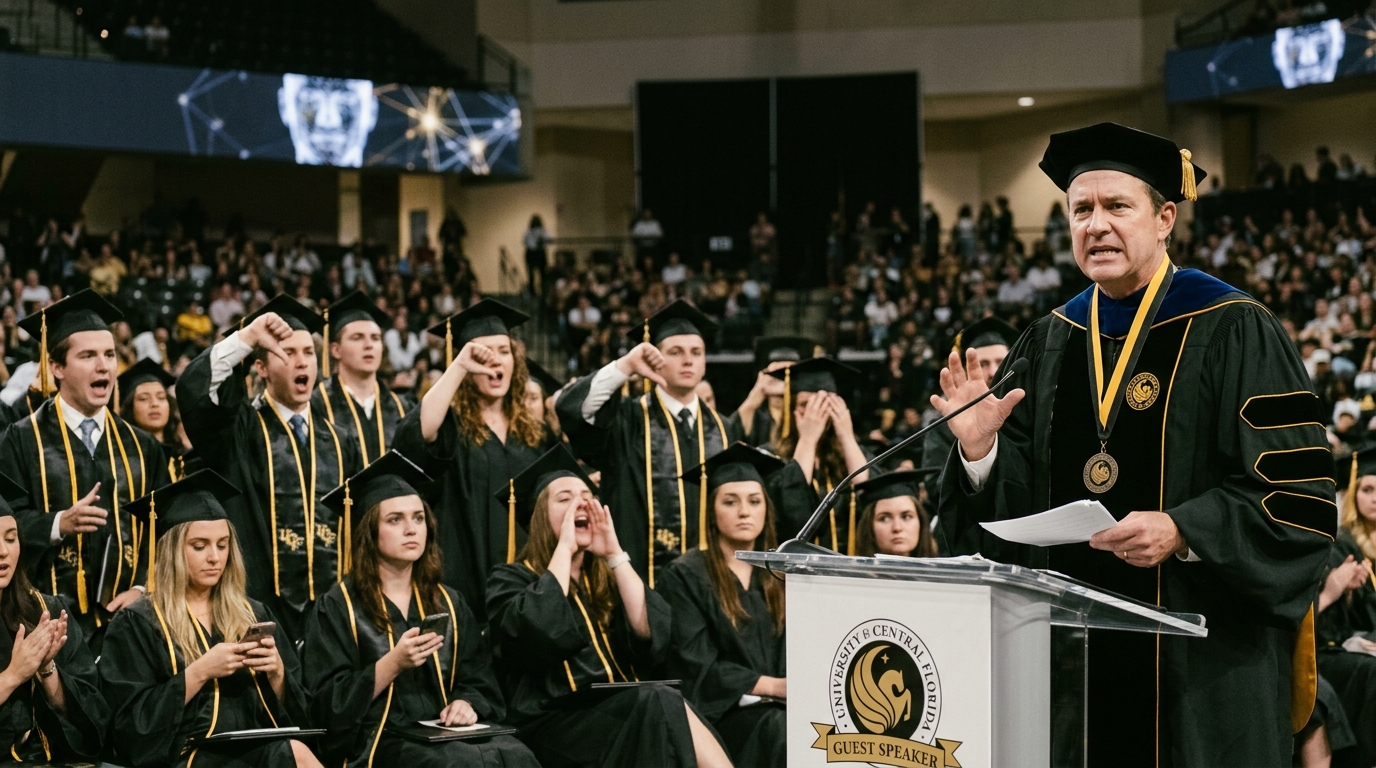
Commencement ceremonies are traditionally moments of triumph, a rite of passage from academic safety to the rigors of the professional world. However, at the University of Central Florida (UCF), the atmosphere shifted abruptly when guest speaker Adron Chambers attempted to turn the podium into a pro-AI manifesto. The reaction from graduates was immediate and vocal: a chorus of boos that interrupted the speaker, sending a clear message that the new generation is not ready to blindly accept the 'digital utopia' being sold to them.
The Clash of Narratives
Chambers, a successful entrepreneur, described AI as the 'next Industrial Revolution,' a phrase that sounds like a promise of progress to Silicon Valley executives but rings like a threat to the ears of students who just earned their degrees. His choice to focus on technological disruption at a time when graduates are seeking recognition for their efforts and hope for their futures was widely criticized as 'tone-deaf.' The students were not booing the technology itself, but rather the devaluation of human endeavor in the face of algorithmic supremacy.
- A lack of empathy toward graduate anxiety regarding a volatile job market.
- A one-dimensional portrayal of AI as the sole driver of future progress.
- The timing of the speech, which overshadowed the personal milestones of the students.
The Psychology of Resistance
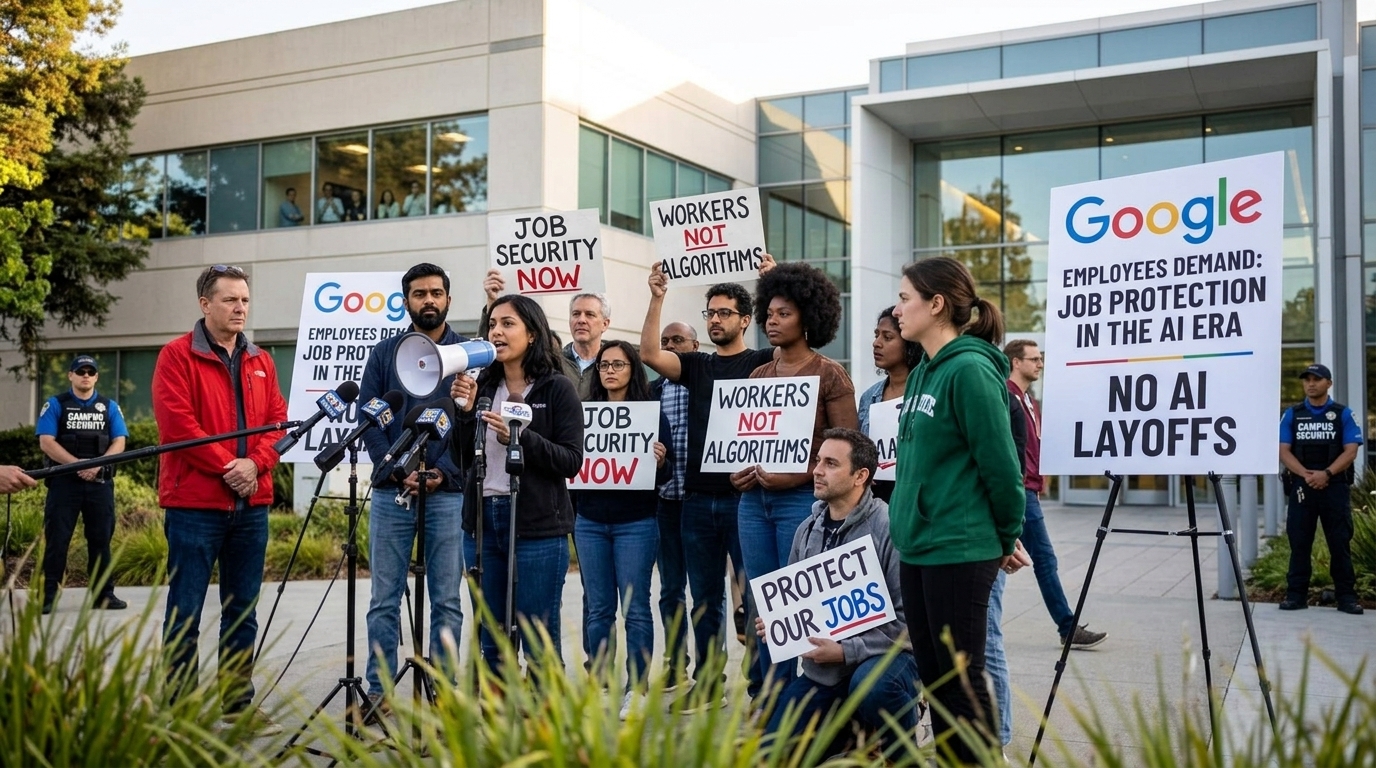
Why did the Class of 2026 react so viscerally? The answer lies in economic precarity. While previous generations viewed technology as an augmenting tool, Gen Z perceives AI as a competitor threatening to make their education obsolete before they even begin their careers. When a speaker praises automation in a room full of future graphic designers, programmers, and analysts, he is essentially telling them that their future is up for negotiation. The ethical dimension here is vital: technology should serve humanity, not displace it during its own celebration.
"We didn't come here to hear about how bots will replace us; we came to celebrate four years of hard work," said one attendee, capturing the collective sentiment of the room.
Lessons for Leadership and Communication
The UCF incident serves as a case study in how tech leadership is failing to communicate with broader society. The obsession with 'disruption' has created a communication vacuum. Commencement speakers are expected to offer inspiration and guidance, not to act as ideological salesmen. The student reaction is a reminder that human value remains the bedrock of social cohesion and that any technological advancement lacking a human-centric framework will be met with suspicion and anger.
The Future of Work and AI Ethics
The debate sparked by the boos extends far beyond Orlando. It asks the question: How do we integrate AI without alienating the workforce? AI ethics is not just about data and algorithms; it is about how the narrative surrounding it affects the mental health and expectations of young people. The 'Industrial Revolution' Chambers referenced came with immense social costs before it bore fruit. Today's youth, more informed than ever, are aware of this history and refuse to be the collateral damage of a new transition designed without their input.