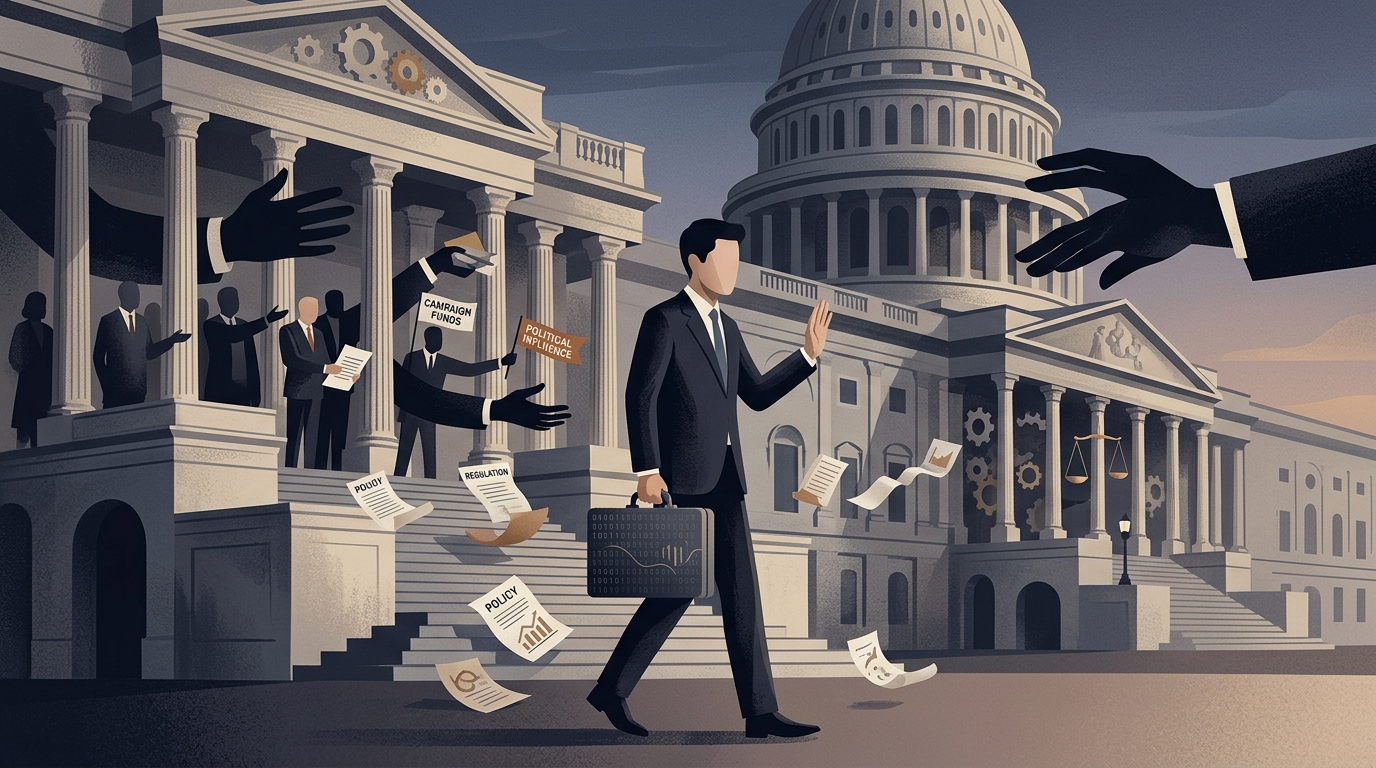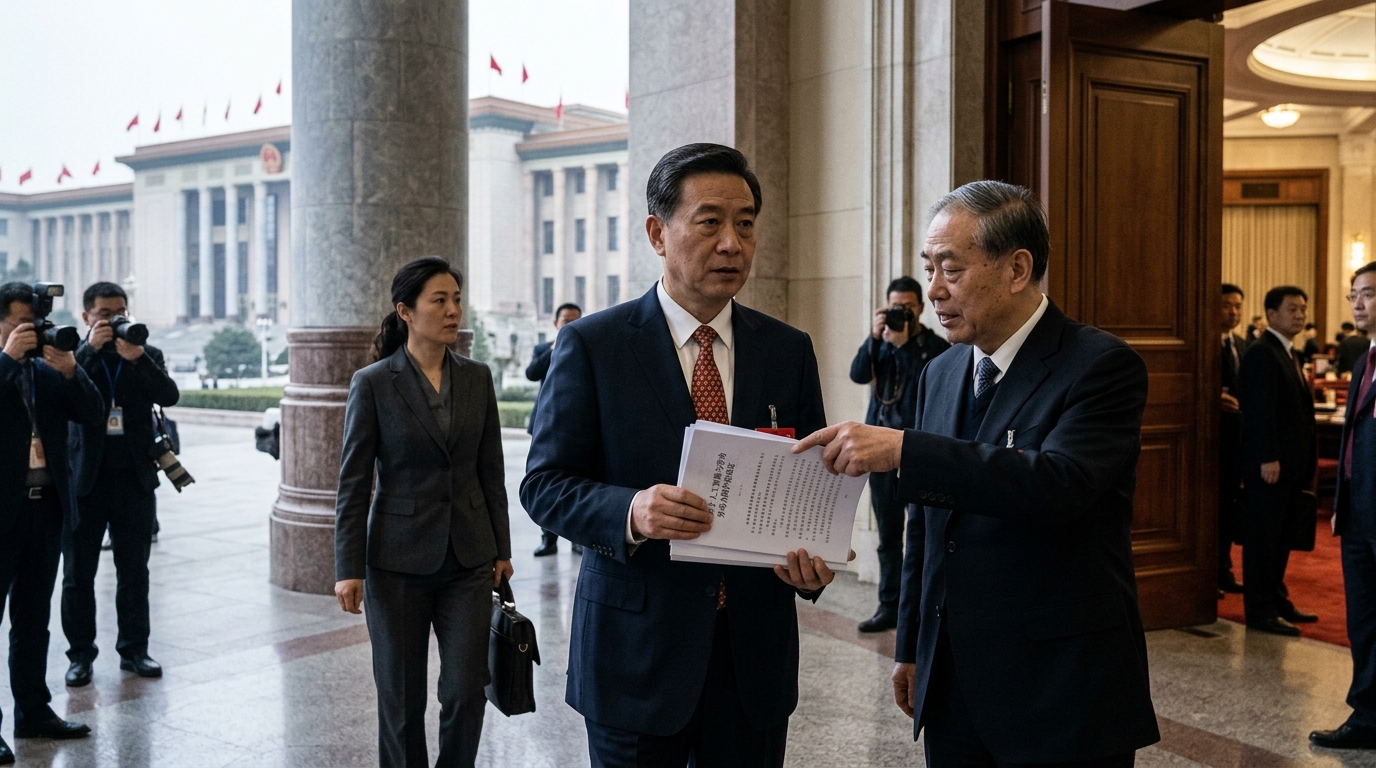
In an era where Artificial Intelligence (AI) threatens to upend the foundations of the global labor market, a judicial ruling from China has emerged to challenge the status quo, offering a rare legal shield to workers. The Haidian District People's Court in Beijing has issued a landmark decision, ruling that a company cannot unilaterally terminate an employee on the grounds that their duties can now be performed by AI algorithms.
The Case Details and Legal Reasoning
The case involved a tech worker whose contract was terminated prematurely. The employer argued that the adoption of advanced Generative AI systems rendered the position redundant, citing a "major change in objective circumstances"—a term in Chinese labor law that allows for contract termination when external factors make continuing the employment impossible.
However, the court rejected this argument with an analysis that is set to be discussed worldwide. The judges ruled that the introduction of AI is a business choice made to improve efficiency, rather than an external, insurmountable change in circumstances. According to the ruling:
"Technological progress must serve social stability and should not be a tool for circumventing workers' rights."
Social Stability vs. Technological Supremacy
This decision is not merely legal; it is deeply political. China is in a race for global AI dominance, but at the same time, the leadership in Beijing fears the social unrest that mass unemployment could trigger. The ruling reflects the Chinese Communist Party's attempt to balance innovation with "social harmony."
- AI is viewed as a tool for enhancing productivity, not a substitute for human dignity.
- Companies are now required to prove they have exhausted all avenues for staff retraining before proceeding with layoffs.
- The decision sets a precedent that other courts in Asia and Europe may soon follow.
Implications for the Business World
For tech companies, this verdict serves as a stern warning. The cost of replacing humans with machines will no longer be just the software licensing fee, but also the heavy legal price of compensation and potential court battles. Analysts estimate that this development will slow the pace of aggressive automation, forcing managements to invest in "Augmented Intelligence" models rather than full automation.
In the context of 2026, where AI capabilities have exceeded all expectations, Beijing's decision acts as a moral compass. It reminds us that technology, no matter how advanced, remains a human creation and must operate within frameworks that protect human livelihood. The "objective inability" to perform work cannot be defined by the existence of a cheaper algorithm, but by the actual disappearance of the need for the work itself.
Conclusion: A New Social Contract
This case marks the beginning of a new era in labor relations. As AI integrates into every facet of the economy, the law is called upon to redefine what it means to be an "essential worker." China, despite its reputation for authoritarianism, has sent a message that the West may find hard to ignore: the labor market is not a void for algorithmic optimization, but a living organism that requires protection.