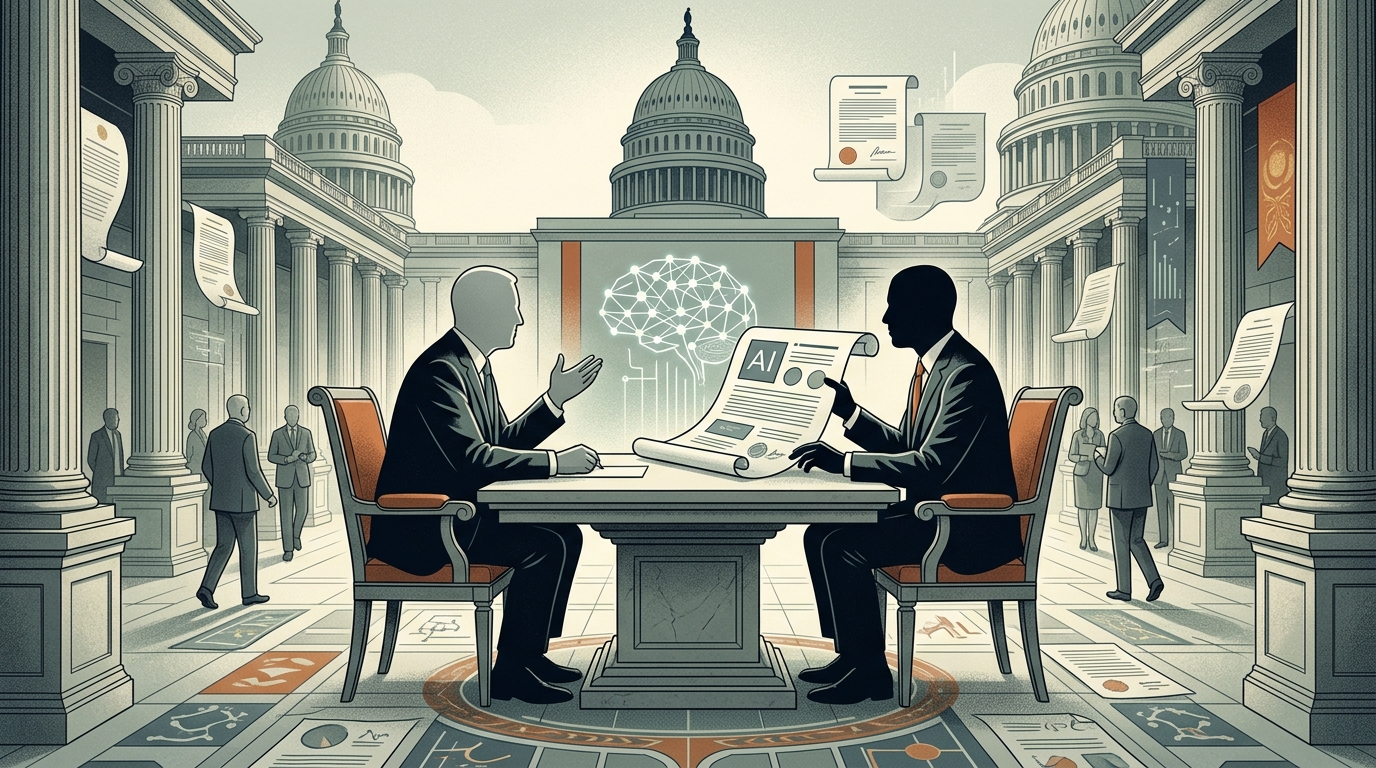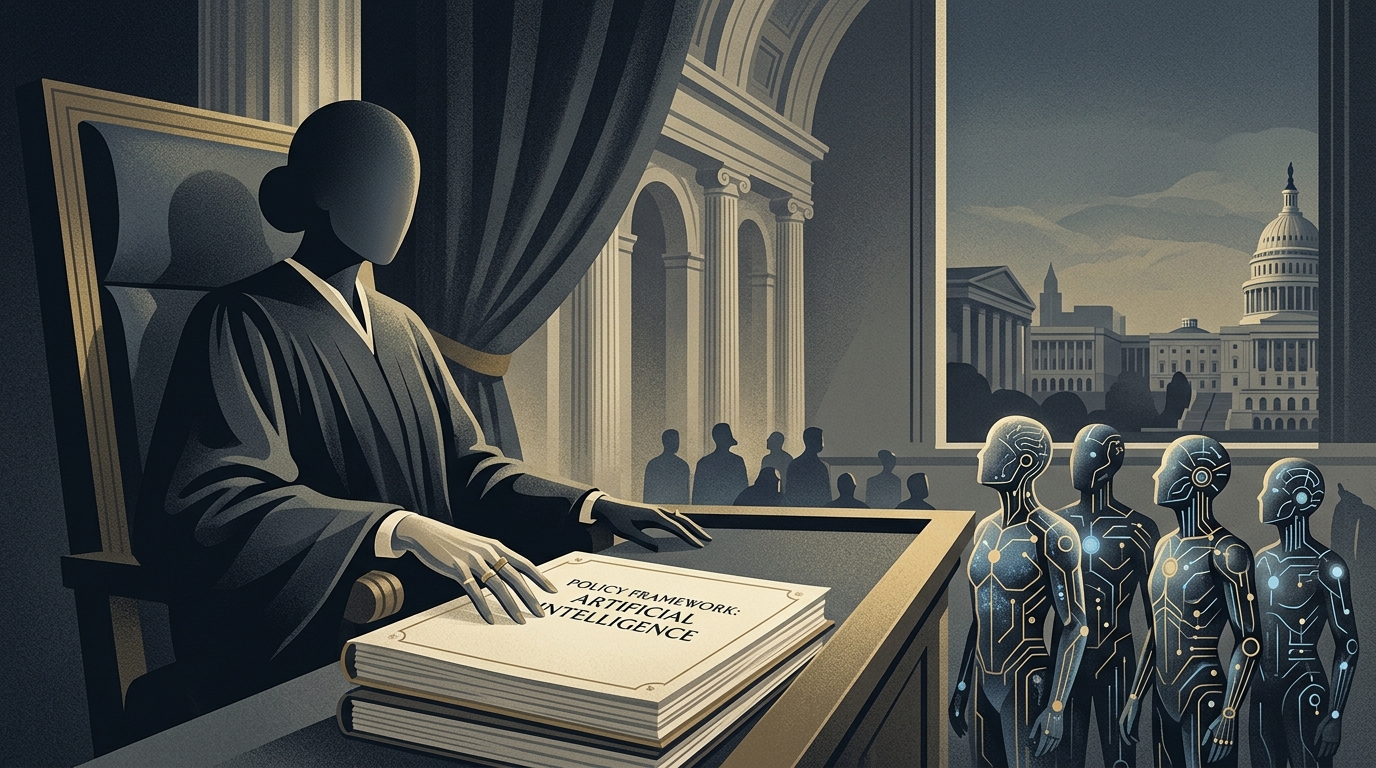
In an era where technological progress often outpaces the ability of institutions to react, the South Dakota Board of Regents is choosing a bold, albeit cautious, stance. Rather than imposing blanket bans, the Board has announced its intention to 'lean in' to Artificial Intelligence (AI), recognizing that this technology is now an integral part of the modern economy and scientific research. However, this embrace is accompanied by the urgent need for a robust regulatory framework to protect academic integrity.
The Strategy of 'Active Engagement'
South Dakota's approach is not accidental. As we move through 2026, Generative AI has transformed how students approach their assignments and how professors conduct their teaching. The Board, which oversees the state's public universities, realizes that ignoring reality would make its graduates less competitive in the job market.
"We cannot close our eyes to a technology that is changing the world. We must teach our students how to use it responsibly and effectively," a Board member noted during a recent meeting.
The strategy includes revising curricula to include 'AI digital literacy' and encouraging faculty to experiment with tools that can enhance the learning experience. South Dakota, a state with strong ties to the agricultural economy and engineering, sees AI as an opportunity to automate data analysis and optimize crop yields—fields where its universities play a pivotal role.
Regulatory Framework and Academic Integrity
Despite the optimism, the Board is particularly careful regarding the risks. AI regulation in universities focuses on three central pillars: academic honesty, data privacy, and algorithmic transparency. One of the most thorny issues is the use of AI in essay writing and examinations. New regulations are expected to require students to explicitly declare the use of any AI tools in their work, while professors will have the discretion to set the limits of this use depending on the course.
- Transparency: Mandatory reporting of AI use in research projects and assignments.
- Data Protection: Ensuring student data is not used to train external AI models without consent.
- Ethical Use: Education on avoiding algorithmic bias in academic decisions.
The challenge lies in the fact that AI detection tools often prove inaccurate, leading to false positives and unfair accusations against students. The Board of Regents seems to prefer an approach based on education and trust-building, rather than police-style surveillance.
Preparing the Workforce of the Future
Beyond the classroom, this decision has deep economic implications. South Dakota seeks to become a hub for technological innovation in the Midwest. By integrating AI into higher education, the state is sending a message to tech companies that it has a workforce ready to meet the demands of the 4th Industrial Revolution.
In conclusion, the move by the South Dakota Board of Regents serves as a model for how public organizations can navigate the uncertainty of AI. By 'leaning in' to the technology while simultaneously building safeguards, they seek to balance the need for progress with the preservation of the values that have governed higher education for centuries. The stakes are high, but inertia would be, it seems, a far more dangerous choice.