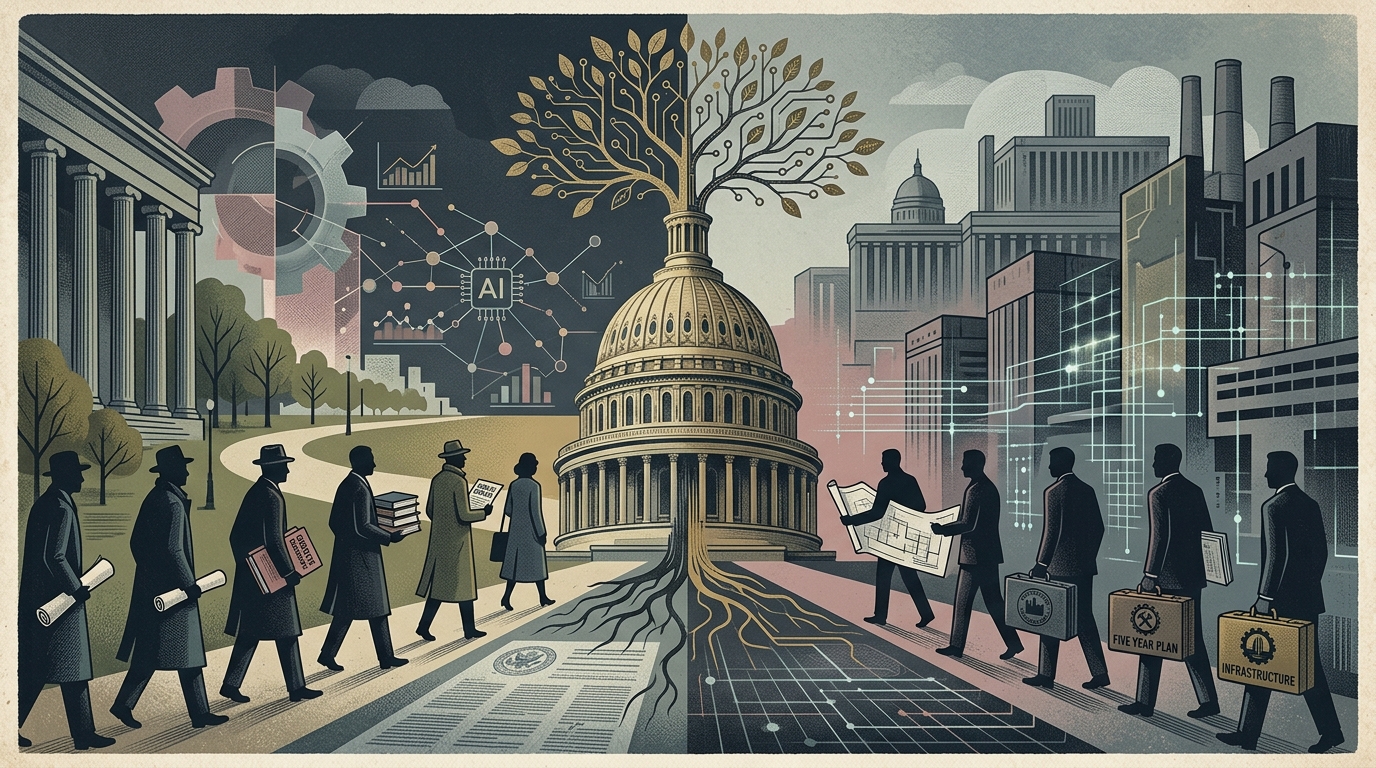
In an era where Silicon Valley promises a world of abundance through Artificial Intelligence (AI), Vermont Senator Bernie Sanders is raising a cautionary voice that resonates across the political and economic landscape of the United States. Speaking recently on Fox Business and other major networks, Sanders characterized the rise of AI as the "most transformative economic revolution in the history of this country," warning that without immediate government intervention, the benefits of this technology will end up exclusively in the pockets of the billionaire owners of big tech giants.
Productivity and the Labor Paradox
The core of Sanders' argument is not about the technology itself, but the distribution of its fruits. Historically, every major technological advancement promised to reduce human toil. However, Sanders points out that over the last few decades, despite massive increases in productivity due to computers and automation, the average American worker is working longer hours for real wages that have remained stagnant. "If artificial intelligence is going to increase worker productivity by 10%, 20%, or 50%, who's going to benefit from that?" the senator asks.
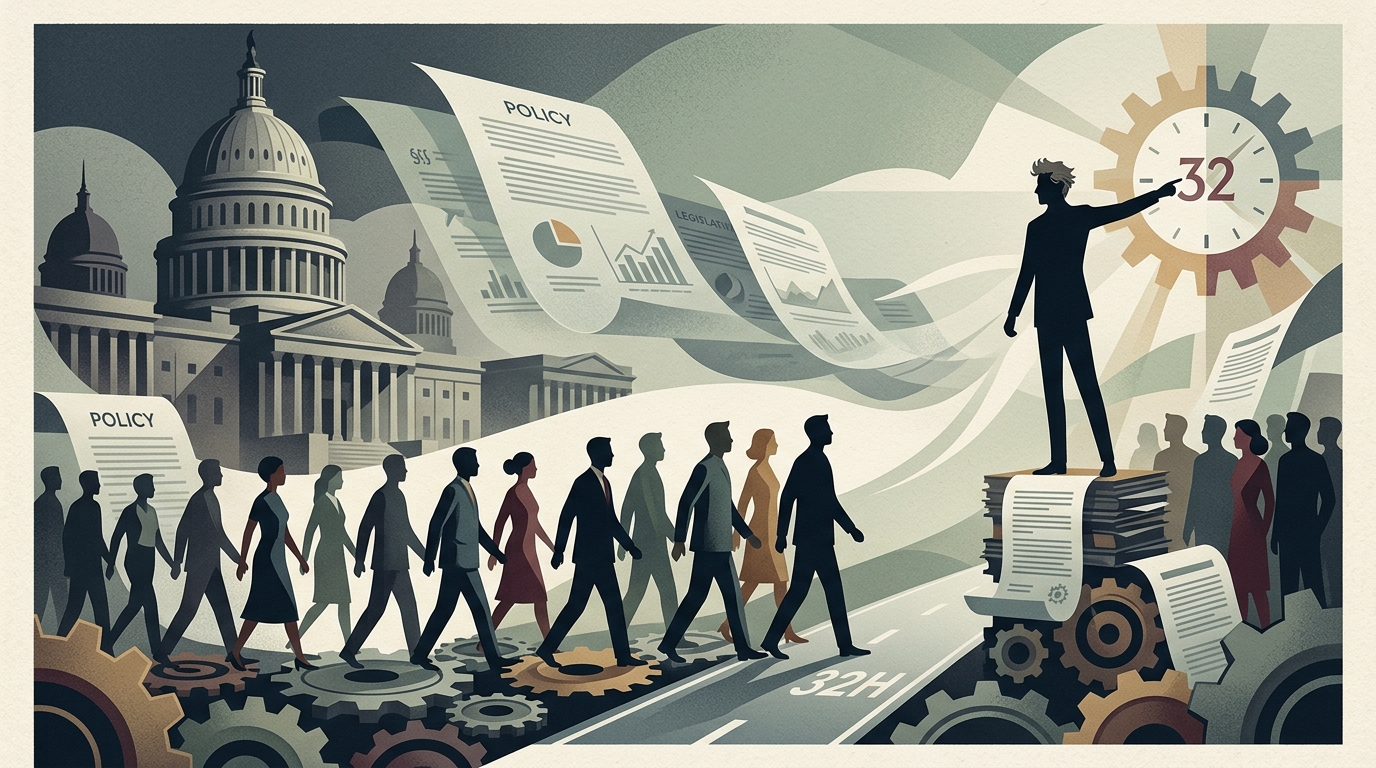
His proposal is radical but, as he argues, inevitable: the establishment of a 32-hour work week with no loss in pay. According to Sanders, AI offers a historic opportunity to redefine our relationship with work. If machines can do the job faster, then humans should have more free time for their families, education, and personal growth, rather than seeing their jobs eliminated for the sake of shareholder dividends.
The Threat of Mass Unemployment and Wealth Concentration
Sanders warns of an "economic Armageddon" for the middle class if the transition to AI is left solely to the forces of the free market. He notes that millions of jobs in fields such as coding, accounting, customer service, and transportation are at risk of full automation. The question he poses is political: Will AI be used to improve the lives of all, or to create a new class of "technological overlords"?
- Robot Taxation: Sanders has repeatedly mentioned the need to tax companies that replace humans with AI to fund vocational retraining programs.
- Guaranteed Income: While not his primary focus, the discussion of Universal Basic Income (UBI) is returning to the fore as a safety net.
- Strengthening Unions: The senator argues that workers must have a say in how AI is implemented in their workplaces through collective bargaining.
Establishment Pushback and the International Dimension
Sanders' critics, primarily from Republican circles and conservative economists, argue that reducing work hours would make the American economy uncompetitive against China. They claim that AI will create new jobs we cannot yet imagine, as happened with the internet. However, Sanders counters this argument, emphasizing that the speed of the AI revolution is exponential and unlike anything in the past.
In this context, the AI debate turns into a global geopolitical chessboard. If the US adopts strict worker protection rules, will Europe follow? Or will we lead to a "race to the bottom," where workers are sacrificed on the altar of technological dominance? Sanders insists that the moral dimension of technology must precede profitability.
"We cannot allow the few and the powerful to use this technology to destroy the lives of the many. Artificial intelligence must be in the service of humanity, not the other way around."
In conclusion, Bernie Sanders' intervention sets the stage for the great political conflict of the 2020s. It is no longer about whether AI will change the world—that is taken for granted—but about who will hold the keys to this new world. The proposal for a 32-hour work week is just the beginning of a broader conversation about social justice in the age of algorithms.