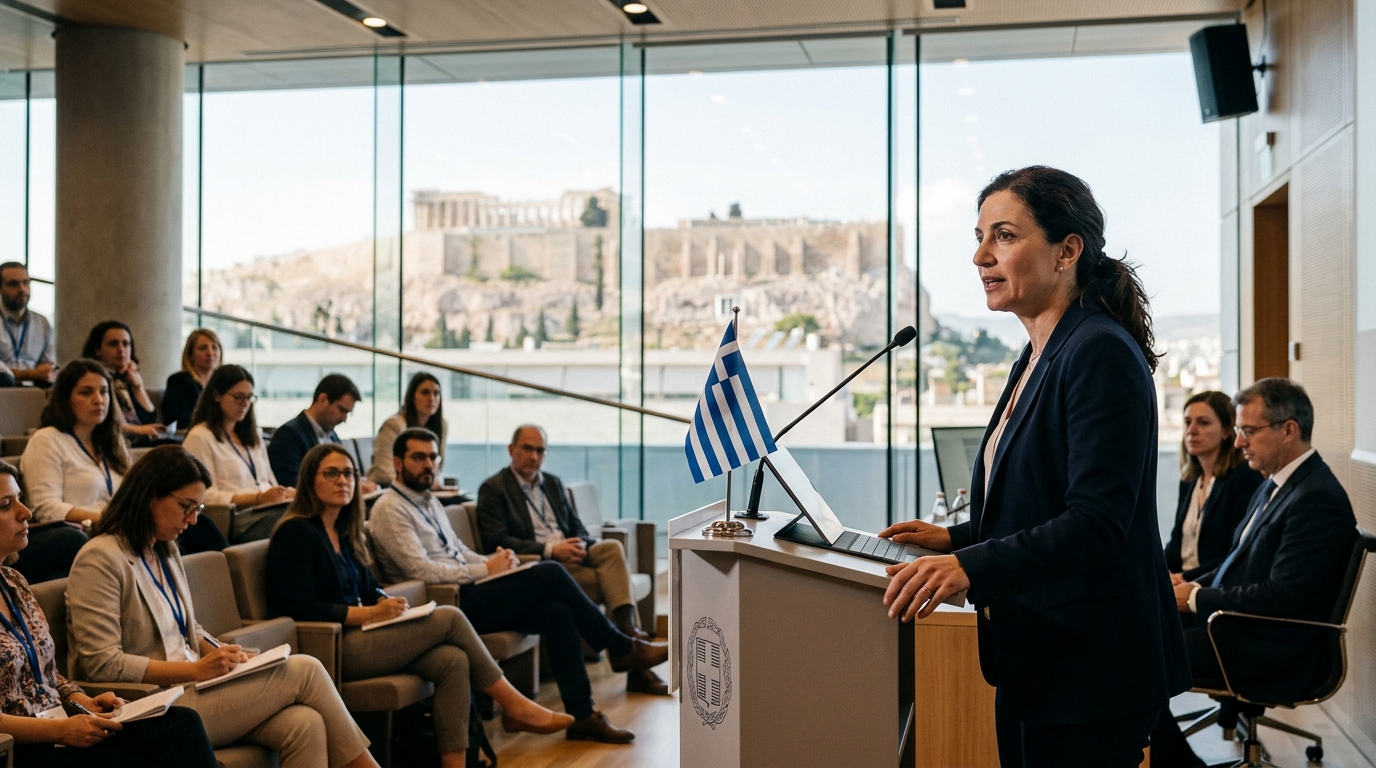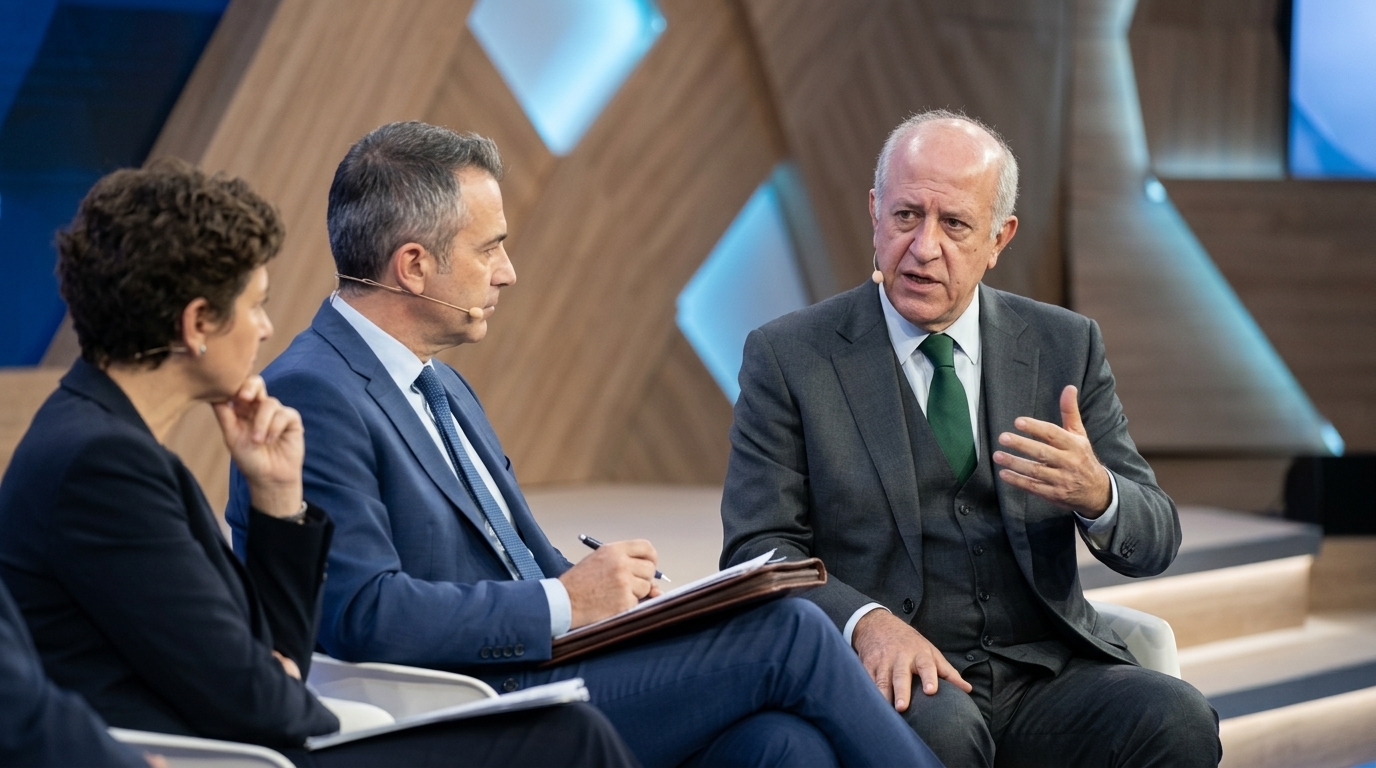
In the majestic setting of Delphi, where ancient wisdom meets the modern challenges of the global economy, Spyros Theodoropoulos, President of the Hellenic Federation of Enterprises (SEV), delivered an intervention that is expected to resonate deeply within political and business circles. His central thesis, encapsulated in the phrase "fewer ministries, more growth," is not merely a slogan but a profound dissection of the structural issues that continue to stifle Greek productivity.
The Trap of Legal Proliferation and "Silos"
Mr. Theodoropoulos, drawing from the experience of a man who has built international business giants from scratch, focused on the pathology of the Greek administrative model. According to him, a large number of ministries is not an indication of strong governance; on the contrary, it creates "silos" that hinder horizontal communication and decision-making. When an investment requires the approval of five or six different portfolios, delay is not just possible—it is certain.
Bureaucracy is not just queues at public offices; it is the overlap of responsibilities that suffocates entrepreneurship before it even begins to breathe.
This critique comes at a time when the government is promoting the digitalization of the state. However, the SEV president was clear: digitalizing a flawed process simply makes it "digitally flawed." Real reform lies in the elimination of unnecessary stages and the merging of structures that perform similar tasks, allowing the state to function as an accelerator rather than a brake.
The Productivity Deficit and European Competition
One of the most concerning points of Theodoropoulos' speech was the reference to the productivity gap between Greece and the European Union. Despite satisfactory growth rates in recent years, the Greek economy remains low in value-added per employee. Mr. Theodoropoulos emphasized that to close this gap, a bold shift toward industry and the production of internationally tradable goods is required.
- Boosting investment in technology and innovation.
- Reskilling the workforce for the needs of the 4th Industrial Revolution.
- Reducing non-wage labor costs that burden competitiveness.
- A stable tax framework allowing for long-term planning.
The business community's concern focuses on the fact that growth based solely on consumption and tourism has an expiration date. Without a strong productive base, the country remains vulnerable to external shocks.
The Need for a Modern Industrial Policy
The SEV president called on the political leadership to adopt a national strategy for industry, similar to those implemented by other European countries. This includes providing incentives for business scaling, as the small size of the majority of Greek companies acts as a barrier to extroversion and access to cheap financing.
Concluding his intervention, Mr. Theodoropoulos sent a message of optimism but also of vigilance. Greece possesses the talent and the opportunities, but it needs a state that will "dare to shrink" in order to allow the economy to grow. The reform of public administration is no longer an option but an existential necessity for the country at the dawn of 2026.