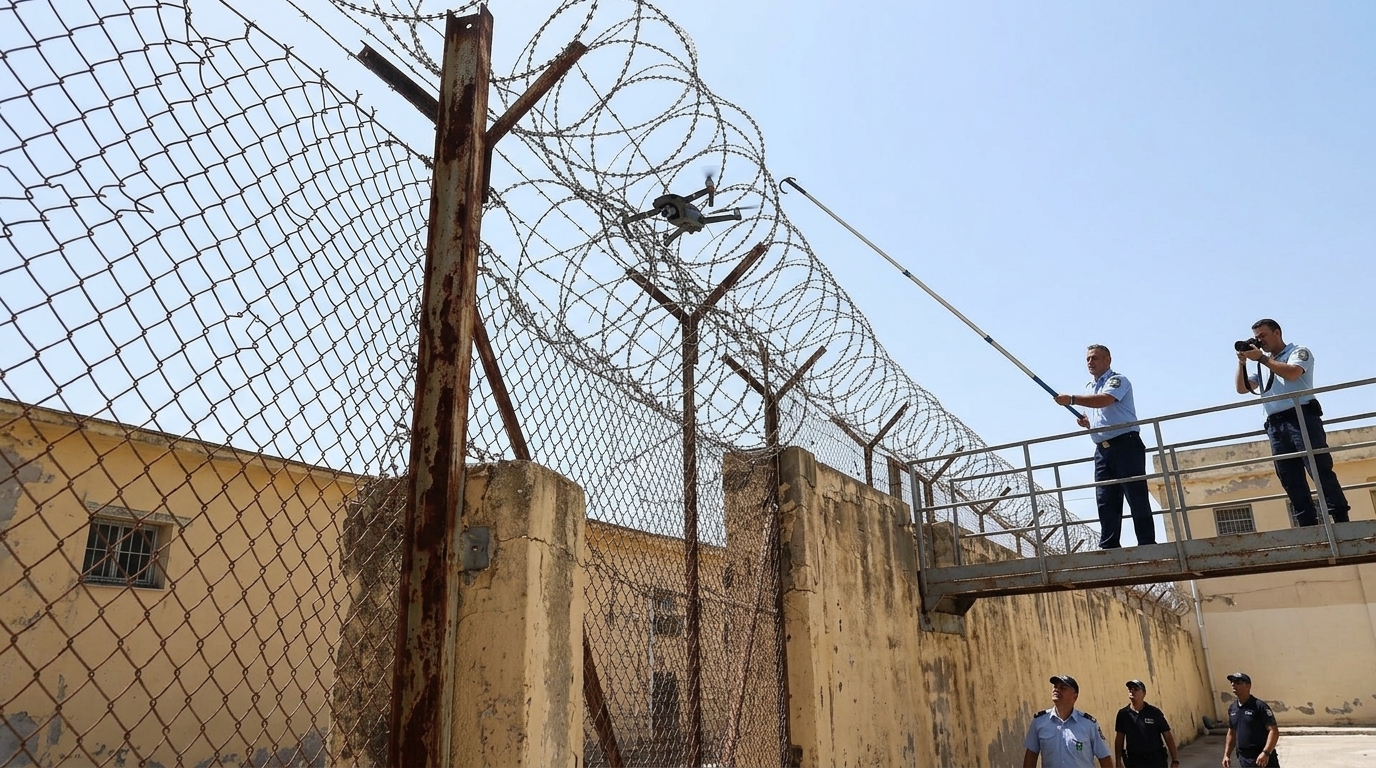
The history of warfare is marked by moments of tectonic shifts: the invention of gunpowder, the advent of armored vehicles, and nuclear deterrence. Today, NATO finds itself at the heart of a similar, if not more profound, transformation. The convergence of Artificial Intelligence (AI) and unmanned systems (drones) is not merely a technological upgrade but a radical overhaul of the terms of engagement. In the Alliance's strategic doctrine for 2026, "algorithmic warfare" is no longer a futuristic scenario but a current reality reshaping global power balances.
The Dominance of Drones and the Obsolescence of Traditional Assets
Recent conflicts in Ukraine and the Middle East have served as a harsh testing ground. NATO now recognizes that the era of expensive, manned platforms dominating the field unchallenged is over. FPV (First Person View) drones and loitering munitions, costing a few hundred dollars, have proven capable of neutralizing main battle tanks worth millions. This asymmetry is forcing Alliance strategists to invest heavily in "swarms" of drones that communicate via AI to saturate enemy air defenses.
The challenge for NATO lies in integrating these systems into a unified command structure. It is not just about the hardware; it is about the software that allows thousands of autonomous units to function as a single organism. The use of AI enables the analysis of data from thousands of sensors in real-time, providing commanders with a "crystal clear" picture of the battlefield that was unthinkable a decade ago.
Artificial Intelligence: The New "Brain" of Strategy
Beyond drones, AI is penetrating the core of decision-making. NATO is developing predictive analytics systems that can forecast enemy movements before they manifest by analyzing patterns in satellite imagery, signals intelligence, and social media activity. This "OODA loop" (Observe-Orient-Decide-Act) is now accelerating to nanosecond levels. AI does not replace the human commander but acts as a "super-advisor" that filters the noise of information.
- Automated target recognition with over 99% accuracy.
- Predictive maintenance of military equipment, reducing costs by 30%.
- Wargaming simulations that run millions of scenarios in minutes.
However, this speed brings risks. The possibility of "accidental escalation," where the algorithms of two opposing sides react to each other without human intervention, is the new nightmare for diplomats in Brussels.
The DIANA Initiative and the Race Against China
NATO is not alone in this race. China and Russia are investing billions in autonomous combat technology, often without the ethical constraints imposed by the West. The Alliance's response is the DIANA (Defence Innovation Accelerator for the North Atlantic) initiative, which aims to bridge the gap between tech start-ups and defense needs. The goal is to bypass the bureaucracy of traditional defense procurement and adopt civilian innovations at Silicon Valley speed.
"Technological superiority is no longer a given for the West. We must win the battle of algorithms if we want to maintain peace," a senior NATO official stated during the recent summit.
Greece, actively participating in these programs, seeks to become a regional hub for drone development, leveraging its domestic defense industry and research community. The country's geopolitical position makes it an ideal testing ground for AI-based border surveillance systems.
Ethical Dilemmas and the Future of Humanity
The critical question remains: Who pulls the trigger? NATO insists on keeping a "human-in-the-loop," ensuring that final decisions on the use of lethal force are made by humans. However, as the speed of battle increases, the line between human oversight and full autonomy becomes increasingly blurred. The international community is pushing for a new "Digital Geneva Convention," but progress is slow compared to the lightning-fast evolution of technology. The war of the future will be decided not by who has the most soldiers, but by who possesses the most sophisticated code.