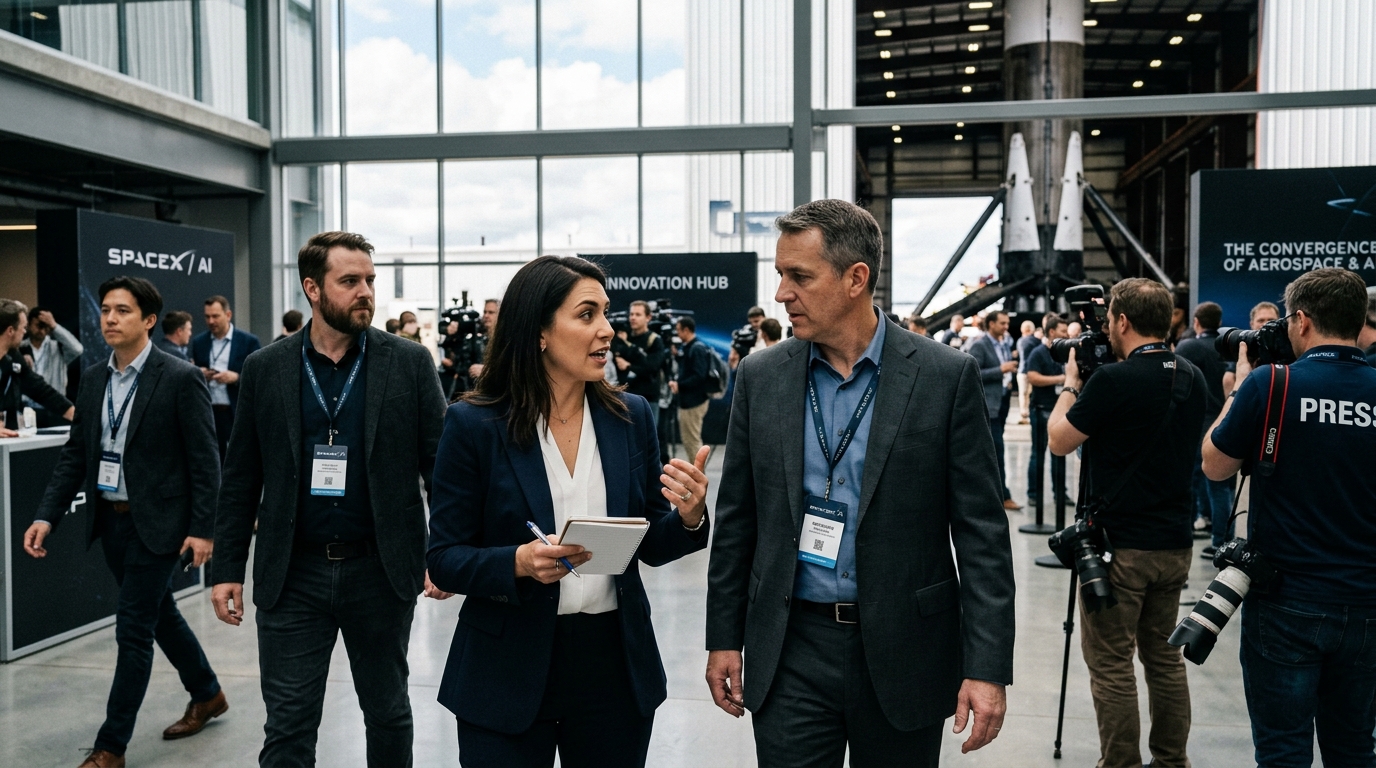
The news breaking from Bloomberg Tech has sent shockwaves through Silicon Valley and Wall Street: SpaceX, the company that rewrote the rules of aerospace, is reportedly preparing to absorb Cursor, the most prominent rising power in the AI-assisted programming space. This move, expected to be finalized just 30 days after SpaceX’s long-awaited Initial Public Offering (IPO), signals a new era where software is no longer a support tool but the very heart of heavy industry.
The Strategic Logic Behind the Acquisition
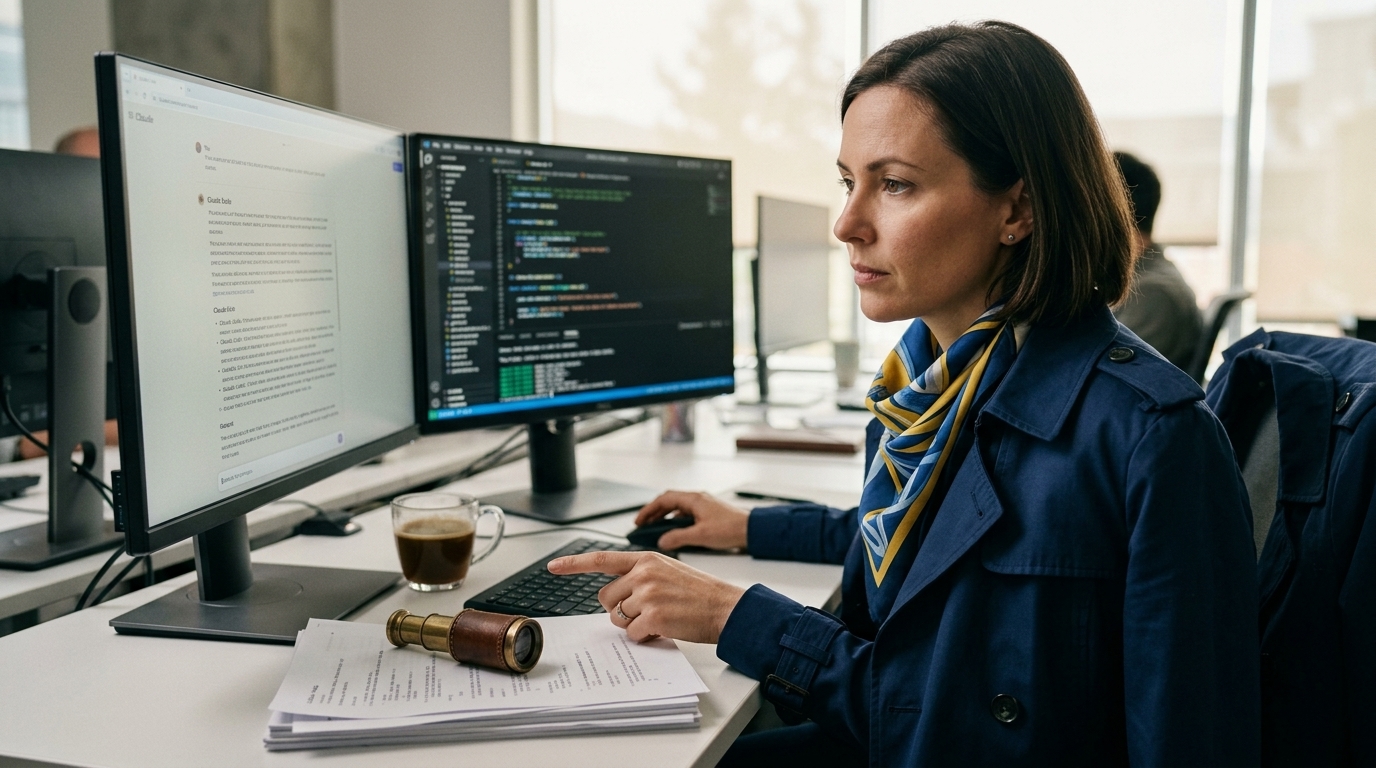
Why would a company that builds the largest rockets in human history be interested in an AI code editor? The answer lies in the increasing complexity of modern systems. A Starship rocket or a Starlink satellite is no longer just metal and propellant; it is millions of lines of code that must function with absolute precision in real-time. Cursor, which has earned the trust of thousands of developers worldwide with its ability to "understand" entire codebases and suggest fixes or new features, offers SpaceX something invaluable: speed.
According to sources familiar with the matter, Elon Musk views Cursor as the "nervous system" of future production. Integrating Cursor’s artificial intelligence into SpaceX’s workflows will allow engineers to develop flight software and control systems in a fraction of the time currently required. This is the practical application of the "Machine that builds the Machine" philosophy, where AI doesn't just write code but optimizes the entire creative process itself.
The IPO as a Catalyst
The timing of the acquisition is not accidental. SpaceX, which remained private for years, finally decided to open its doors to public markets in early 2026. The influx of capital from the IPO provides the company with the necessary liquidity to engage in aggressive M&A (Mergers and Acquisitions) activity. The 30-day waiting period is likely related to the "quiet periods" and stabilization windows mandated by regulatory bodies following a public listing.
Analysts estimate that Cursor’s valuation has skyrocketed over the past year as the adoption of AI-native IDEs (Integrated Development Environments) has become the industry standard. With this acquisition, SpaceX not only gains the technology but also one of the most talented teams of AI engineers in the world, simultaneously preventing Cursor from falling into the hands of competitors like Microsoft or Google.
The Connection to the Musk Ecosystem
One cannot ignore the broader context of Musk’s ventures. With xAI developing advanced language models like Grok, Cursor could serve as the practical implementation tool for these models in the real world. Imagine an environment where xAI provides the "intelligence" and Cursor provides the "interface" through which engineers at Tesla, Neuralink, and SpaceX build the future.
"Aerospace is now a software battle. Whoever writes the best code faster will dominate orbit and beyond," says a senior industry executive.
Challenges and Reactions
Despite the excitement, this move may face hurdles. Antitrust regulators in the US and the EU are closely monitoring Musk’s maneuvers. The acquisition of a dominant AI tooling platform by a company that already controls the majority of global satellite launches could raise concerns about unfair competition. Furthermore, there is the question of open access: will Cursor remain available to the broader developer community, or will it be transformed into a closed, proprietary tool for SpaceX?
In any case, this news highlights that 2026 is the year of grand consolidation. The distinction between a "software company" and an "industrial company" is collapsing. SpaceX is not just buying a startup; it is buying the future of productivity in the age of artificial intelligence.