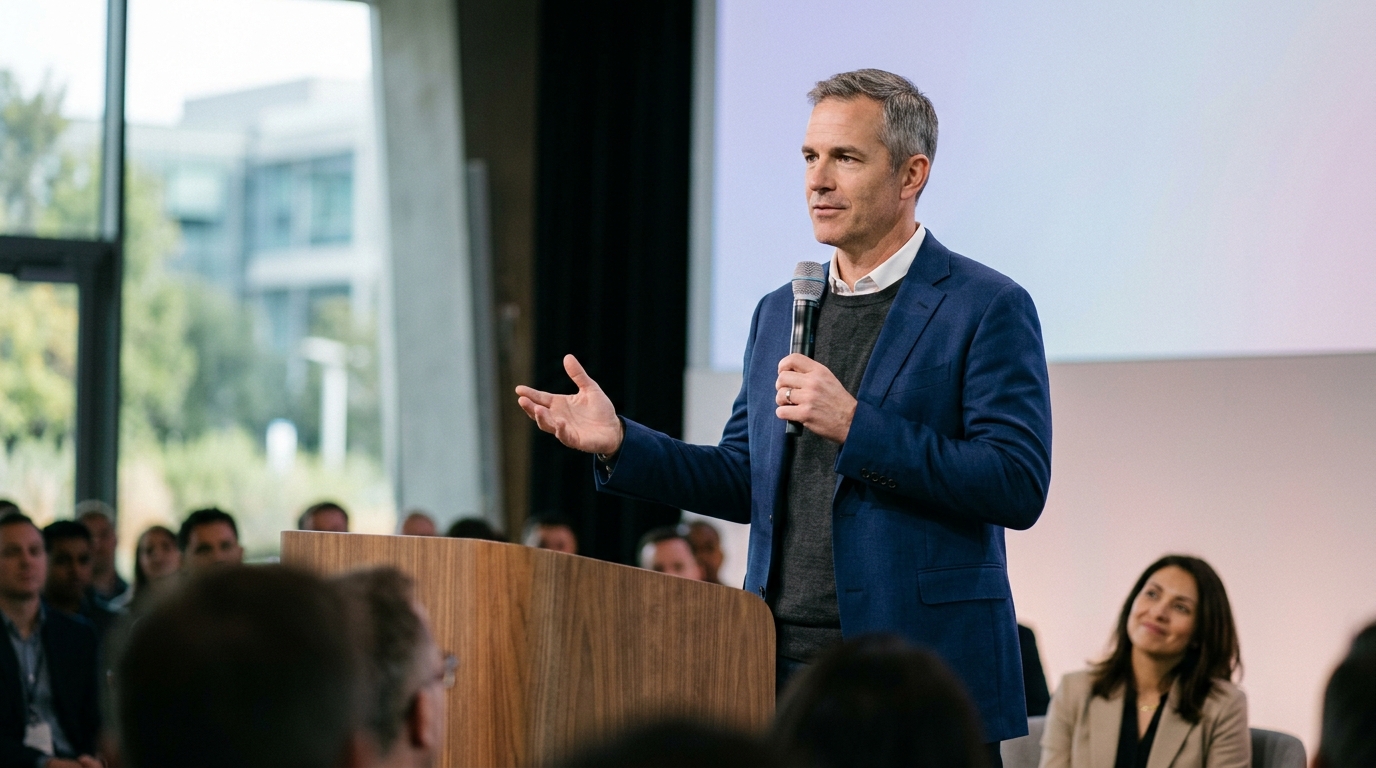
In an era where Artificial Intelligence (AI) is transforming every facet of the global economy, Georgios Stassis, Chairman and CEO of PPC (Public Power Corporation), has pinpointed the critical bottleneck: Europe cannot lead the digital revolution without first solving its energy equation. In his recent remarks, Mr. Stassis emphasized that the development of Large Language Models (LLMs) and Data Centers requires colossal amounts of energy, making energy policy the bedrock of technological competitiveness.
The Energy Hunger of Artificial Intelligence
Artificial Intelligence is not merely code and algorithms; it is physical infrastructure. A typical query on ChatGPT consumes approximately ten times more energy than a standard Google search. As Europe strives to reduce its dependence on American and Chinese tech giants, it faces a harsh reality: energy costs in the EU remain significantly higher than in the US. Mr. Stassis pointed out that without cheap, clean, and stable energy, AI investments will inevitably migrate to regions with more favorable energy profiles.
The challenge is twofold. First, quantity. Electricity demand from Data Centers is expected to double by 2026, reaching levels comparable to the consumption of entire nations like Germany. Second, quality. The tech industry demands "green" energy to align with decarbonization goals, but it also requires an uninterrupted supply (baseload), something that renewable energy sources (RES) alone, without storage, struggle to provide consistently.
Greece as a Digital and Energy Hub
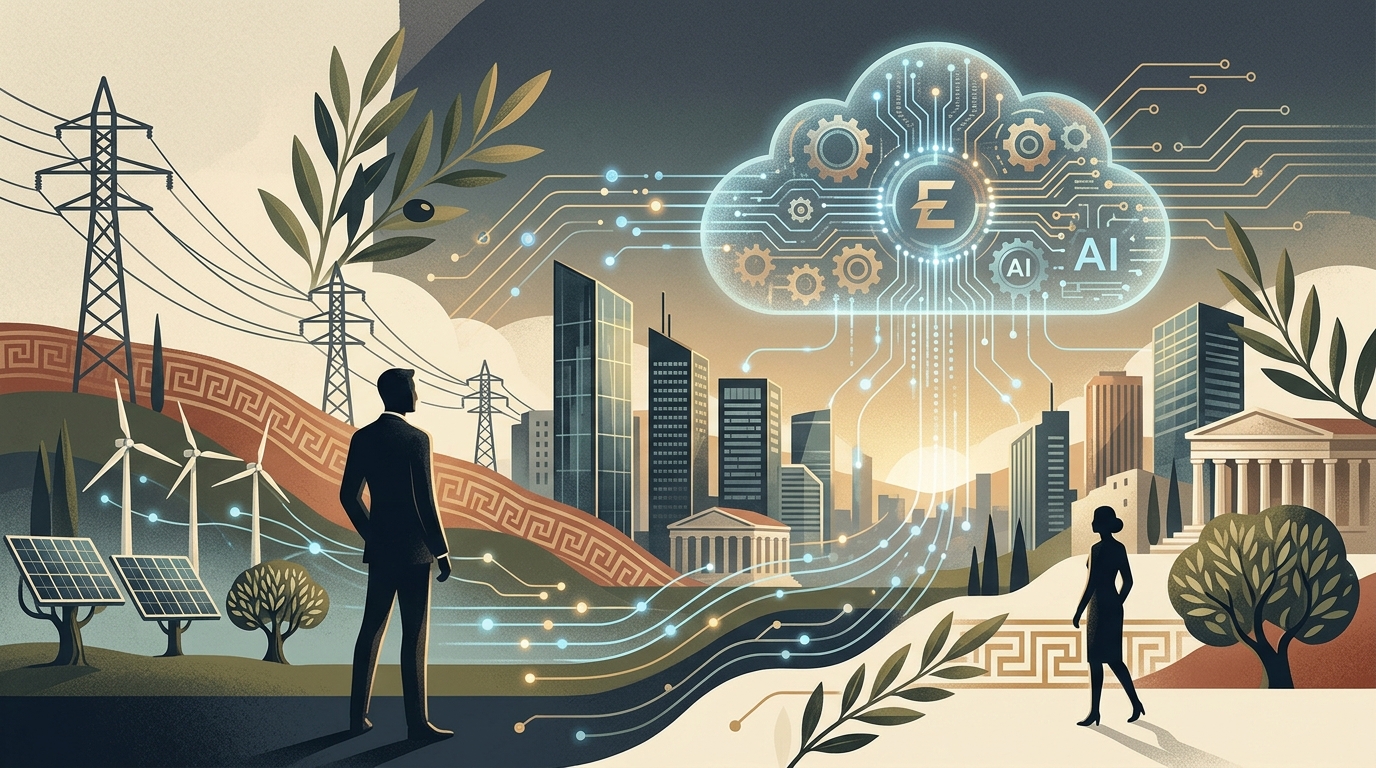
In this context, Greece is emerging as a strategic player. Mr. Stassis analyzed how PPC is transforming from a traditional utility company into an integrated provider of energy and digital solutions. The country’s geographical position, combined with its vast potential for solar and wind energy, makes it an ideal destination for large-scale Data Centers. PPC is already investing in infrastructure that connects energy production directly to the region's digital needs, creating an "energy corridor" in Southeast Europe.
"We cannot talk about AI without talking about grids," the PPC CEO stressed. Upgrading electrical grids is essential to withstand the load of new technologies. Greece, through PPC, aims to offer a package that includes not just energy, but also the telecommunications infrastructure (fiber optics) required for low-latency data transmission.
The Need for a Unified European Strategy
Mr. Stassis did not limit his scope to national borders; he also criticized European sluggishness. While the US generously subsidizes the energy transition through the Inflation Reduction Act (IRA), Europe remains entangled in bureaucratic processes and a fragmented energy map. His position is clear: Europe needs a unified energy market that allows for the transfer of cheap energy from the South (where solar production is abundant) to the industrial centers of the North.
Furthermore, he highlighted the vital importance of energy storage. To power AI 24/7 with renewables, massive investments in batteries and pumped hydro storage are required. Without these, Europe will remain hostage to natural gas price fluctuations, rendering European AI uncompetitive on a global scale.
"Energy is the skeleton upon which the digital future will be built. If the skeleton is weak, the edifice of Artificial Intelligence will collapse before it is even completed."
In conclusion, Georgios Stassis's analysis highlights a crucial truth: the battle for AI supremacy will not only be fought in the laboratories of Silicon Valley but also in wind farms, high-voltage grids, and energy storage facilities. Greece, under the leadership of PPC, aspires to be at the forefront of this historic challenge, bridging the gap between electrons and bits.