In an era where digital transformation is no longer an option but a prerequisite for survival, Tiresias S.A., the linchpin of the Greek banking system, is making a decisive leap into the future. The adoption of advanced Artificial Intelligence (AI) and Machine Learning (ML) systems by the organization is not merely a technical upgrade; it is a structural shift in how creditworthiness is assessed and financial stability is secured in Greece. Especially for Small and Medium-sized Enterprises (SMEs), which form the backbone of the national economy, this evolution promises to bridge the gap between liquidity needs and banking approval.
From Static Data to Predictive Intelligence
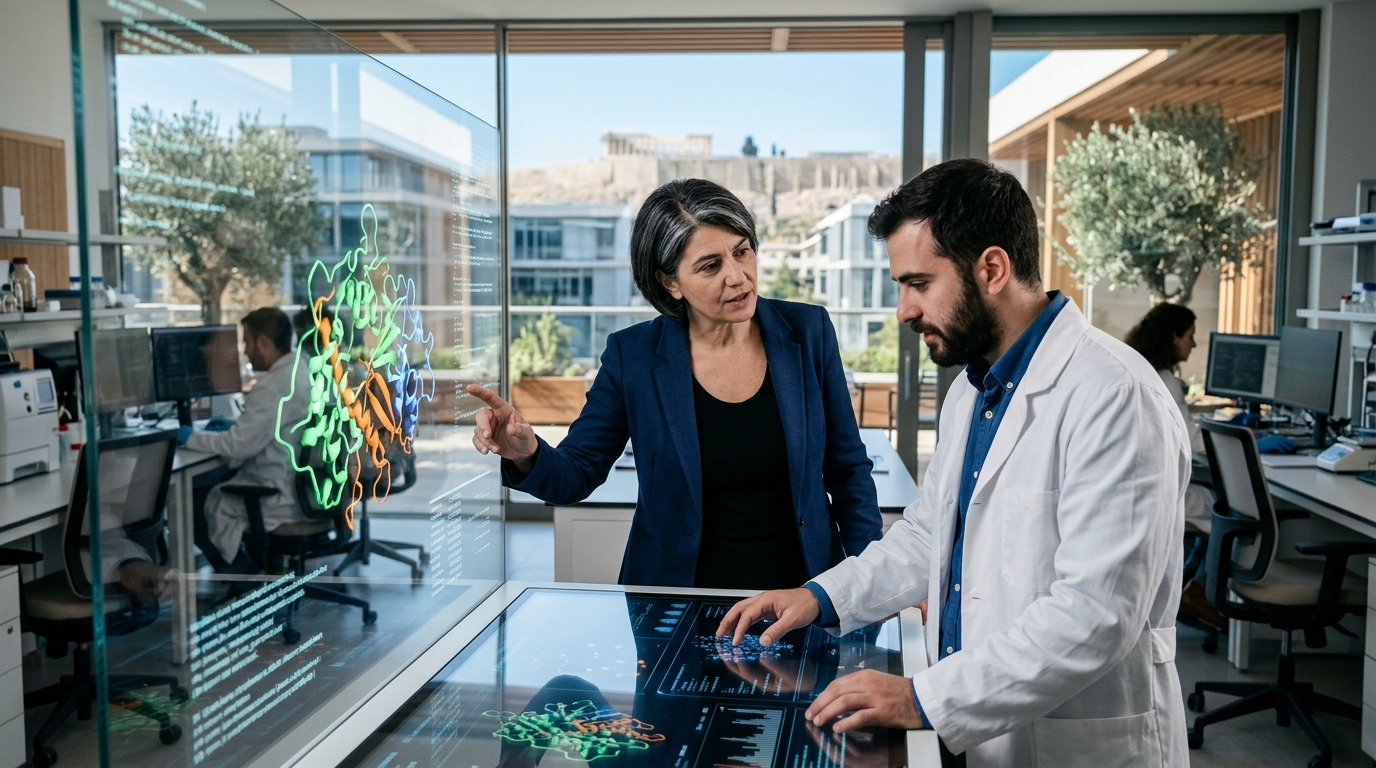
For decades, credit risk assessment relied on historical, static data: payment delays, bounced checks, and bankruptcies. While these elements remain critical, AI allows Tiresias to move beyond simply recording the past. Through Big Data analysis, new models can now identify behavioral patterns that foreshadow either risks or growth opportunities. This transition to 'predictive intelligence' enables banks to make decisions based on a more holistic view of a business.
The use of algorithms that learn from market fluctuations means that an SME that faced temporary difficulties during the energy crisis, but maintains a healthy revenue stream and consistency in its new obligations, will not be automatically excluded from the system. On the contrary, AI can recognize recovery dynamics, offering a 'score' that reflects the actual current situation rather than just past mistakes. This creates a fair environment where system security does not act as a brake on growth.
Enhancing Transparency and Reducing Systemic Risk
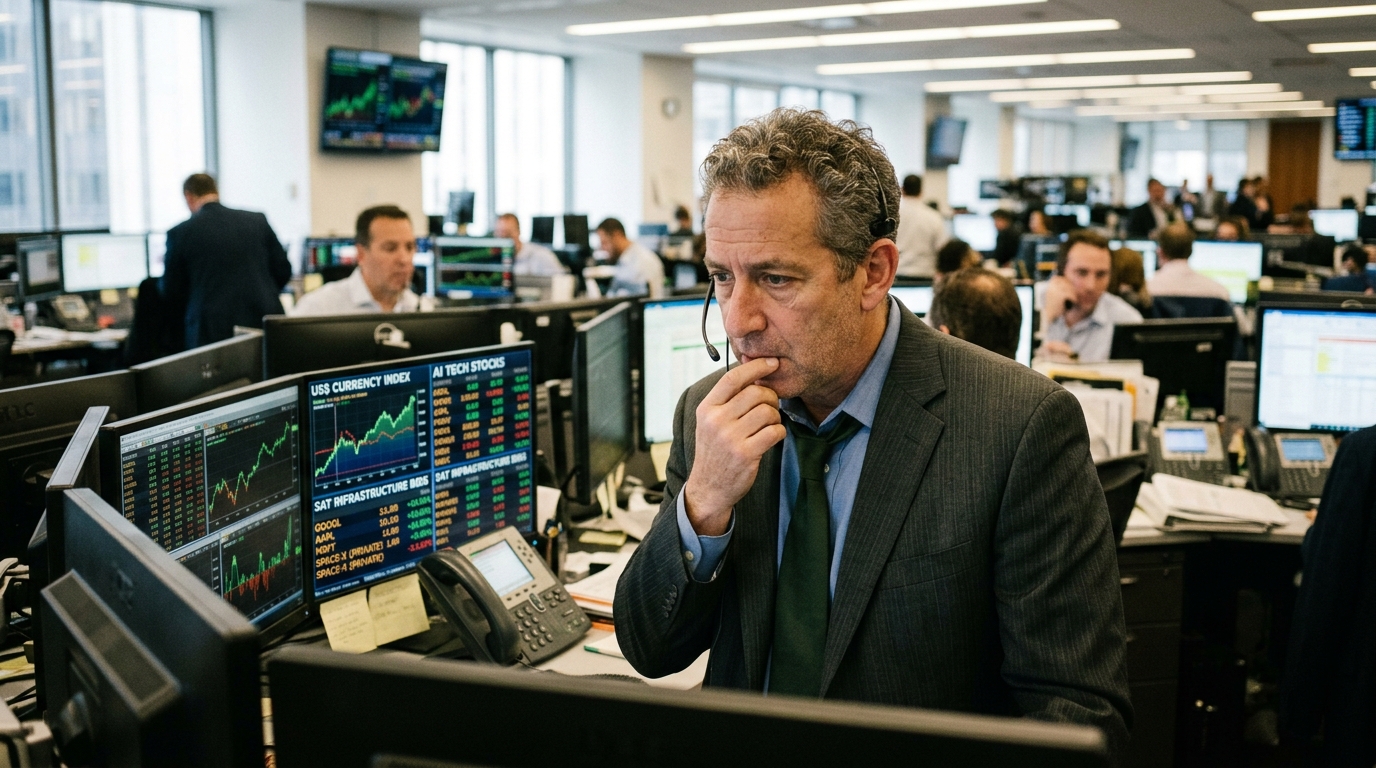
One of the most important pillars of Tiresias's new strategy is fortifying the system against fraud. AI algorithms have the ability to scan millions of transactions in real-time, identifying anomalies that would be impossible for humans to detect. This protects not only financial institutions but also the businesses themselves from malicious actions or 'shell' entities that distort competition.
- Automated Assessment: Faster processing of loan applications, reducing bureaucracy for SMEs.
- Dynamic Monitoring: Continuous updates of credit profiles, allowing for early intervention before a business becomes unviable.
- Tailored Products: Enabling banks to design financial tools that fit the specific needs of each sector.
The security 'built' by Tiresias acts as a guarantee for investors and markets. In an international environment where the credibility of the Greek economy is under scrutiny, using cutting-edge technology to manage private debt is a strong signal of modernization. Each business's digital 'identity' is now becoming its most valuable asset, and AI ensures that this identity is accurate and protected.
The Ethical Challenge and the Road Ahead
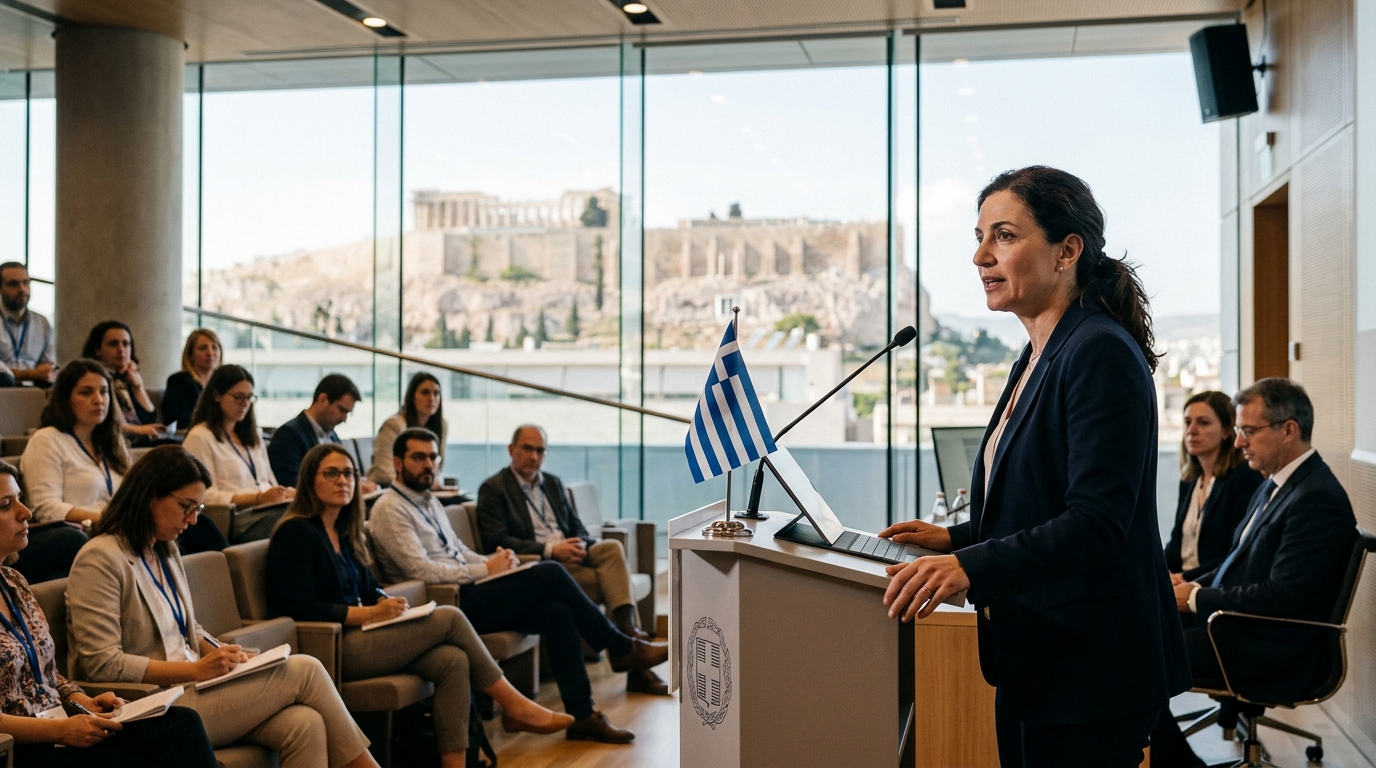
Despite the obvious benefits, the use of AI in financial assessment brings serious ethical questions. Tiresias must balance the efficiency of algorithms with the protection of personal data, in accordance with GDPR and the upcoming EU AI Act. It is essential that decisions made by 'black box' algorithms are explainable and that there is a possibility for human intervention when a business feels it has been unfairly treated.
"Technology is not an end in itself, but the means to create an economy where trust is based on data rather than assumptions," market circles suggest.
In conclusion, the 'new' Tiresias, empowered by Artificial Intelligence, is transforming from a simple list of debtors into a financial health advisor. For Greek SMEs, this means that the path to financing lies through transparency and digital consistency. The security provided by these systems is the foundation upon which sustainable and competitive growth can be built, capable of withstanding the shocks of the global market.