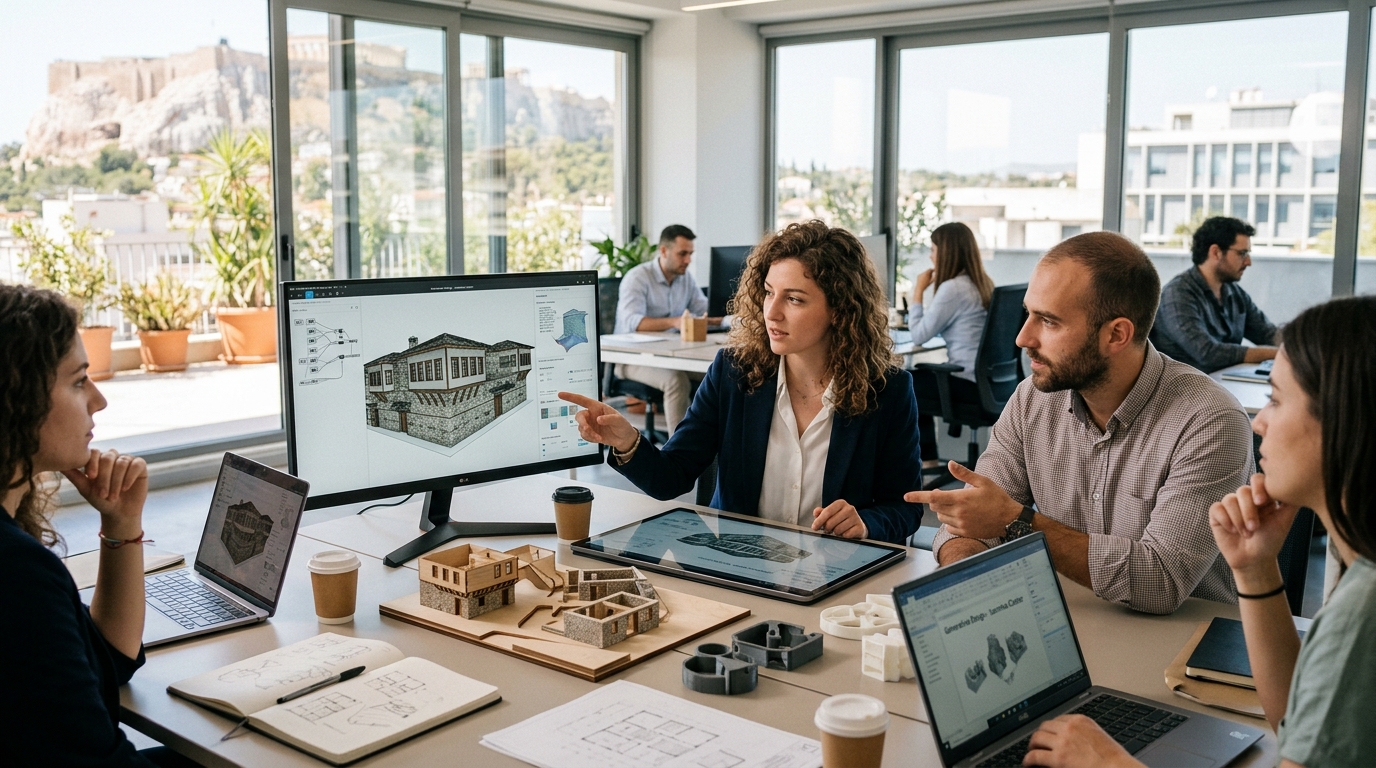
In the heart of Epirus, where stone-built tradition meets academic reflection, a new revolution is quietly brewing. Ioannina, a city synonymous with historical architecture and the mastery of stone masonry, has become the epicenter of a modern dialogue: the integration of Artificial Intelligence (AI) into architectural practice. The recent four-day workshop held in the city was not merely technical training, but a deep dive into the future of creativity.
The Convergence of Tradition and Technology
Architecture in Ioannina carries the weight of centuries of history. However, workshop participants were encouraged to look beyond the physical limits of materials. AI, through generative design tools and machine learning algorithms, now offers architects the ability to process thousands of design variations in seconds. The question posed was not whether AI will replace the architect, but how the architect will use AI to enhance the human experience within space.
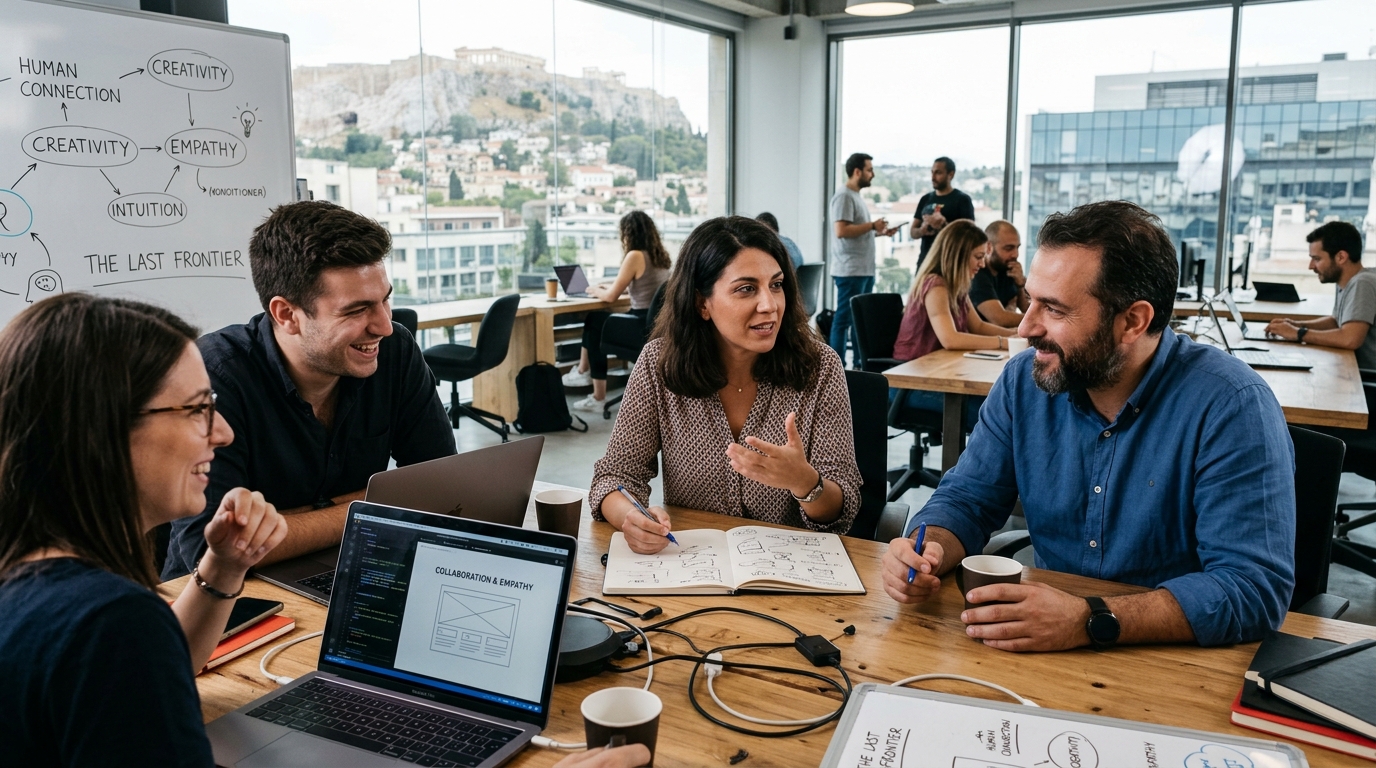
"Artificial Intelligence is not an autonomous creator, but a powerful partner that expands the boundaries of our imagination," it was noted during the presentations.
The workshop focused on practical applications, ranging from using Large Language Models (LLMs) for drafting technical specifications and project management, to employing advanced diffusion models for visualizing complex architectural forms. Participants had the opportunity to experiment with "collaborative design," where humans set the parameters and the machine suggests optimal solutions based on energy efficiency, structural integrity, and aesthetic harmony.
From Drafting to Prompting: The New Toolkit
The transition from traditional CAD (Computer-Aided Design) to AI usage requires a fundamental shift in mindset. Architects are now learning to become "curators" of data and ideas. During the four-day event in Ioannina, special emphasis was placed on the importance of correct "prompting" — the ability to translate an abstract concept into specific instructions for the software.
- Generative Design: Creating multiple versions of a building based on environmental data.
- Material Optimization: Using algorithms to reduce carbon footprints by selecting the most suitable local materials.
- Virtual and Augmented Reality: Connecting AI with VR tools for an immediate experience of space before construction begins.
This new toolkit allows young architects in regional areas to compete on a global level, as access to cutting-edge technology is no longer restricted to major urban centers or international giant firms.
Ethical Challenges and the Future of the Profession
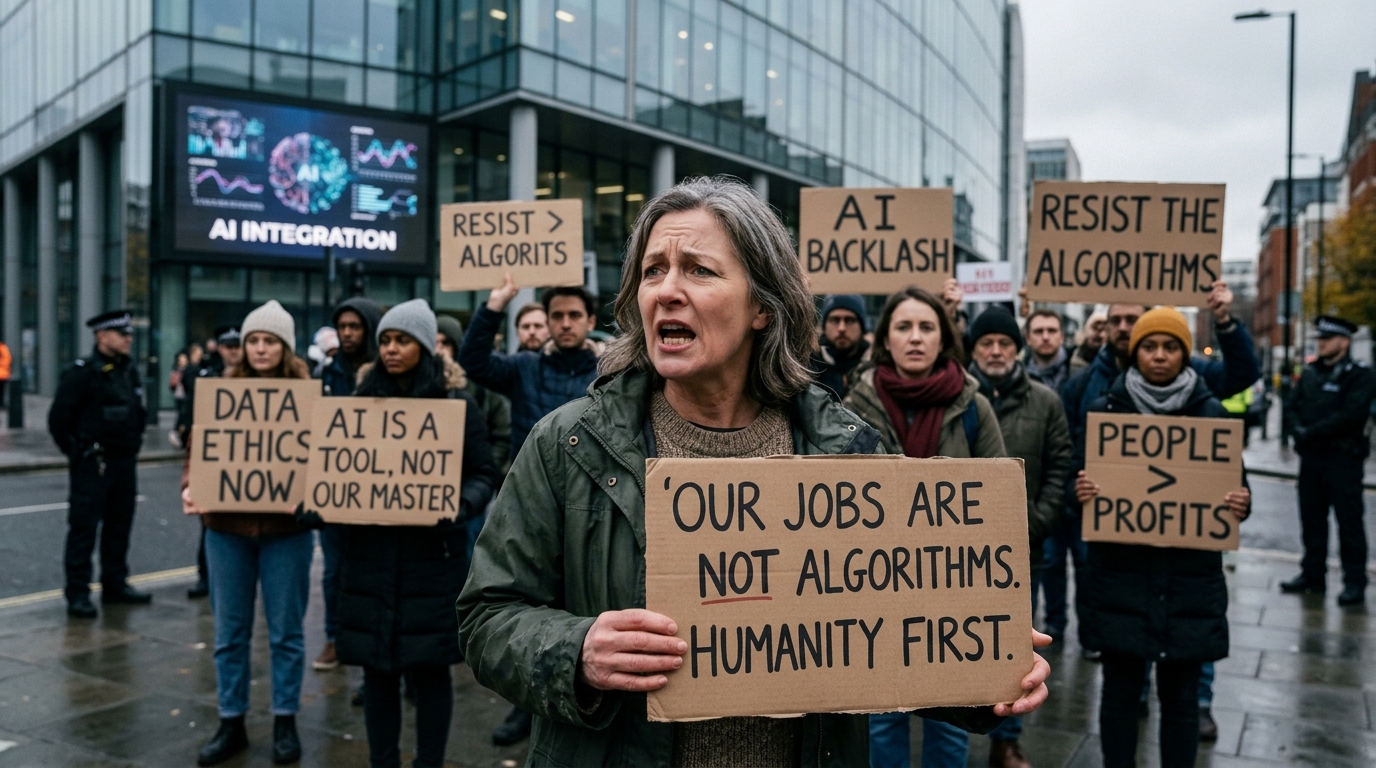
Despite the enthusiasm, the discussion in Ioannina did not shy away from the shadows. The intellectual property of designs generated by AI remains a legal gray area. Furthermore, there is a risk of "aesthetic homogenization," where buildings worldwide might start looking identical because they are fed by the same databases. Speakers emphasized that the role of the academic community and local authorities is to ensure that AI is used to highlight local distinctiveness rather than flatten it.
The Ioannina workshop serves as a roadmap for how the Greek architectural community can integrate innovation without losing its soul. Artificial Intelligence in architectural practice is no longer a science fiction scenario, but a daily reality that demands knowledge, critical thinking, and aesthetic alertness.