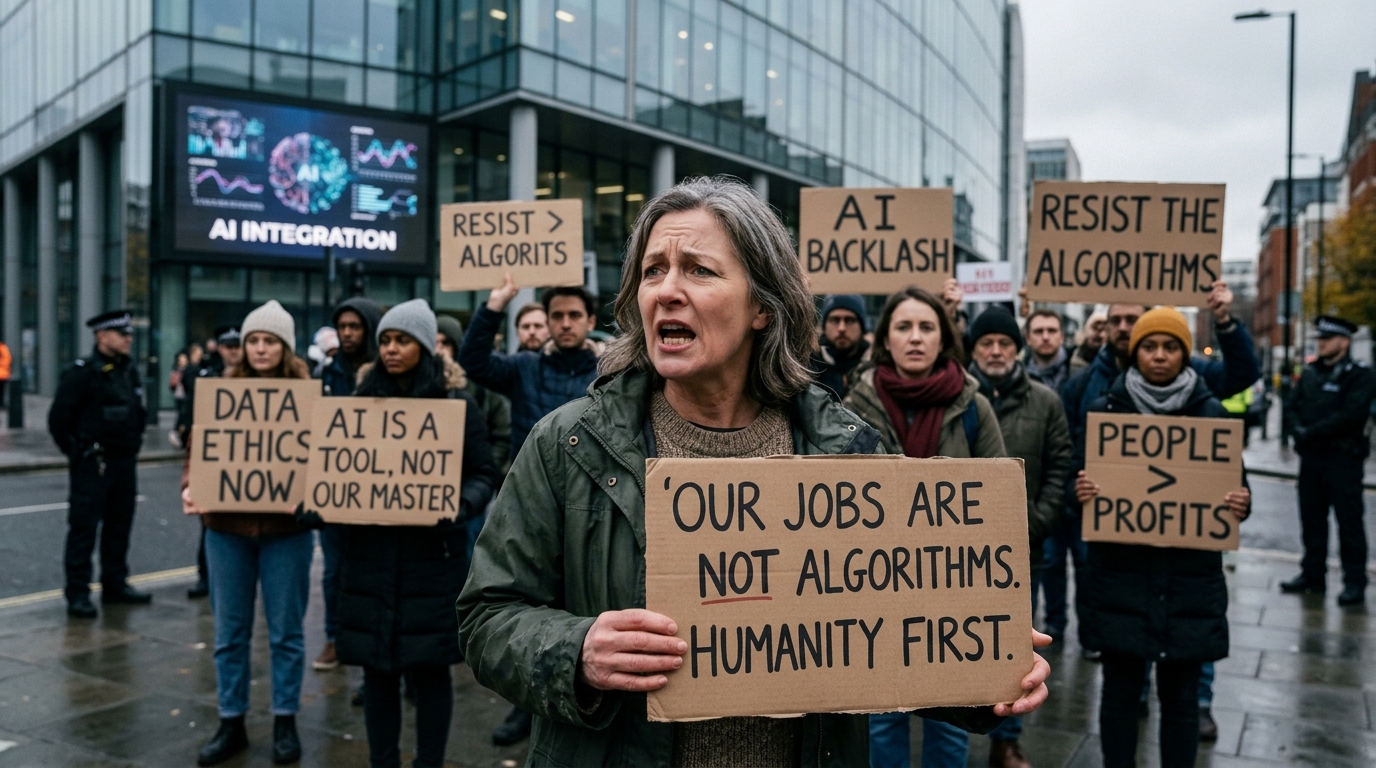
2023 was the year of wonder. 2024 was the year of integration. 2025 was the year of realization. Today, in mid-2026, we find ourselves at the heart of a global backlash that many analysts are calling the "Great Digital Resistance." Artificial Intelligence (AI), once a tool promising to solve every human problem, has transformed into a battlefield of intense political, social, and ethical conflict. The recent analysis by In.gr highlights a crucial truth: the backlash has only just begun, and the question is no longer whether we will have AI, but how we will prevent it from eroding the social fabric.
The Creator’s Rebellion and the Data War
The first serious crack in the narrative of "inevitable progress" came from the intellectual property sector. What began as isolated lawsuits from authors and artists in 2023 has evolved into an organized "Data Dignity" movement. Today, in 2026, tech giants are facing an unprecedented shortage of high-quality training data. Creators have learned to "poison" their data or withdraw it from the public internet, creating a "digital dark age" for models that rely on indiscriminate web scraping.
"This is not technophobia; it's about the survival of human cognition. If we allow machines to devour every trace of human expression without compensation, then the future of our civilization will be a perpetual loop of the past with no new spark," says Eleni Papadopoulou, leader of the Human-First movement.
This resistance is not confined to courtrooms. We are seeing a consumer shift toward "certified human content." Much like organic products took over supermarket shelves decades ago, today, "Made by Humans" labels are becoming the new symbol of quality and authenticity in an ocean of AI-generated "slop."
The Trust Crisis and the "Dead Internet" Realized
One of the core pillars of the backlash is the "Dead Internet Theory," which in 2026 feels like a stark reality. The ease with which text, images, and videos are produced has led to a content inflation that makes finding genuine information nearly impossible. Users are migrating en masse from traditional social media platforms, seeking closed communities where human verification is strictly enforced.
- The total collapse of trust in digital communications due to hyper-realistic deepfakes.
- User fatigue from algorithmic assistants that "intervene" excessively in daily life.
- The demand for the "Right to Human Contact" in essential services like healthcare and education.
Political pressure in the European Union has intensified. Despite the implementation of the AI Act, citizens are demanding even stricter regulations, especially regarding AI in the workplace. The backlash against automation no longer comes just from factory workers, but from lawyers, developers, and doctors who see the value of their expertise being devalued by statistical prediction models.
The Environmental Toll and Energy Politics
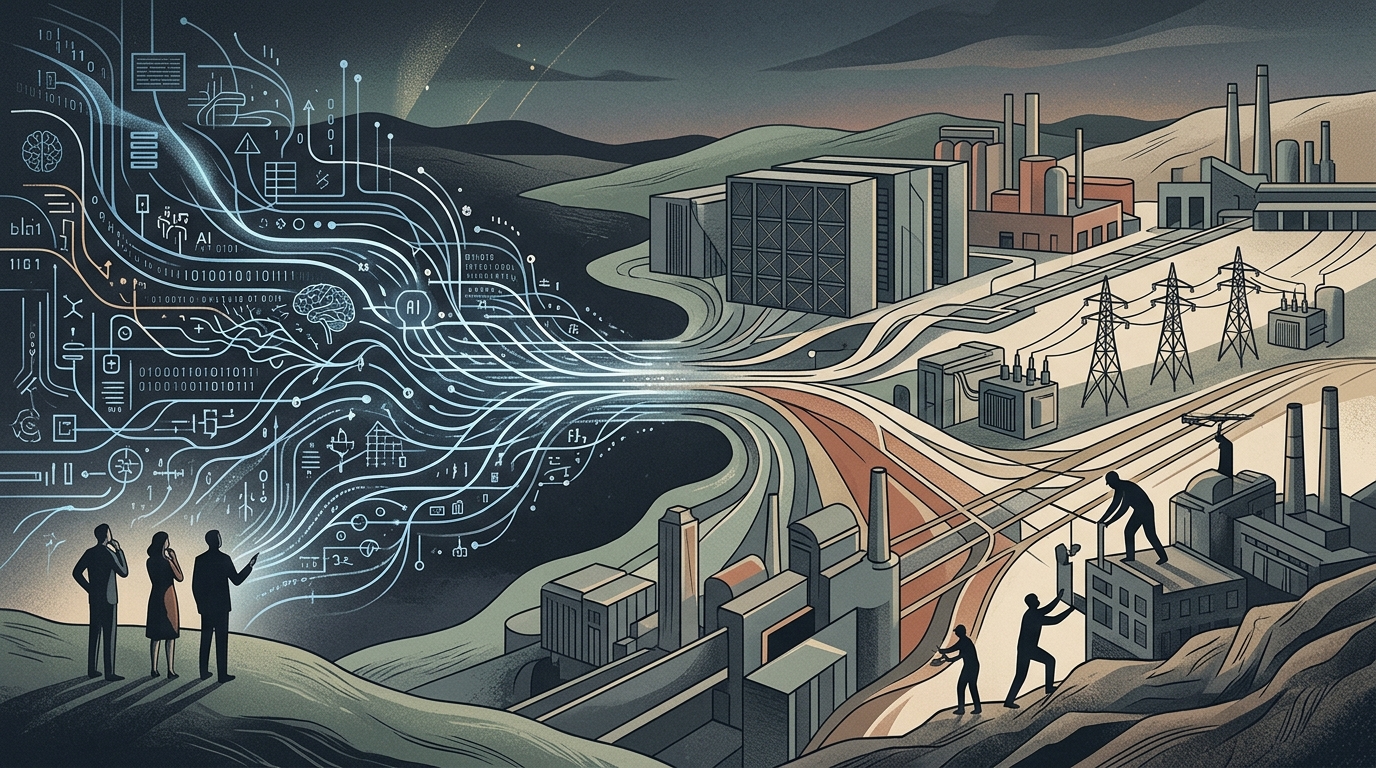
Perhaps the most unexpected aspect of the backlash is environmental. As the climate crisis deepens, the massive energy and water consumption of AI data centers has become a flashpoint for local communities. In Ireland, the Netherlands, and the US, we are seeing protests against the construction of new infrastructure. "AI Ethics" is no longer just about algorithmic bias; it's about the carbon footprint of every prompt we send.
The question of "what we will do with it," as posed by In.gr, is the key to the next chapter. Humanity is not going to abolish AI, but it is in the process of placing it under house arrest. The era of the "Wild West" in technology is over. Future development must be compatible with human dignity, creativity, and the planet's physical resources. The resistance we see today is not the end of technology, but the beginning of its maturity.