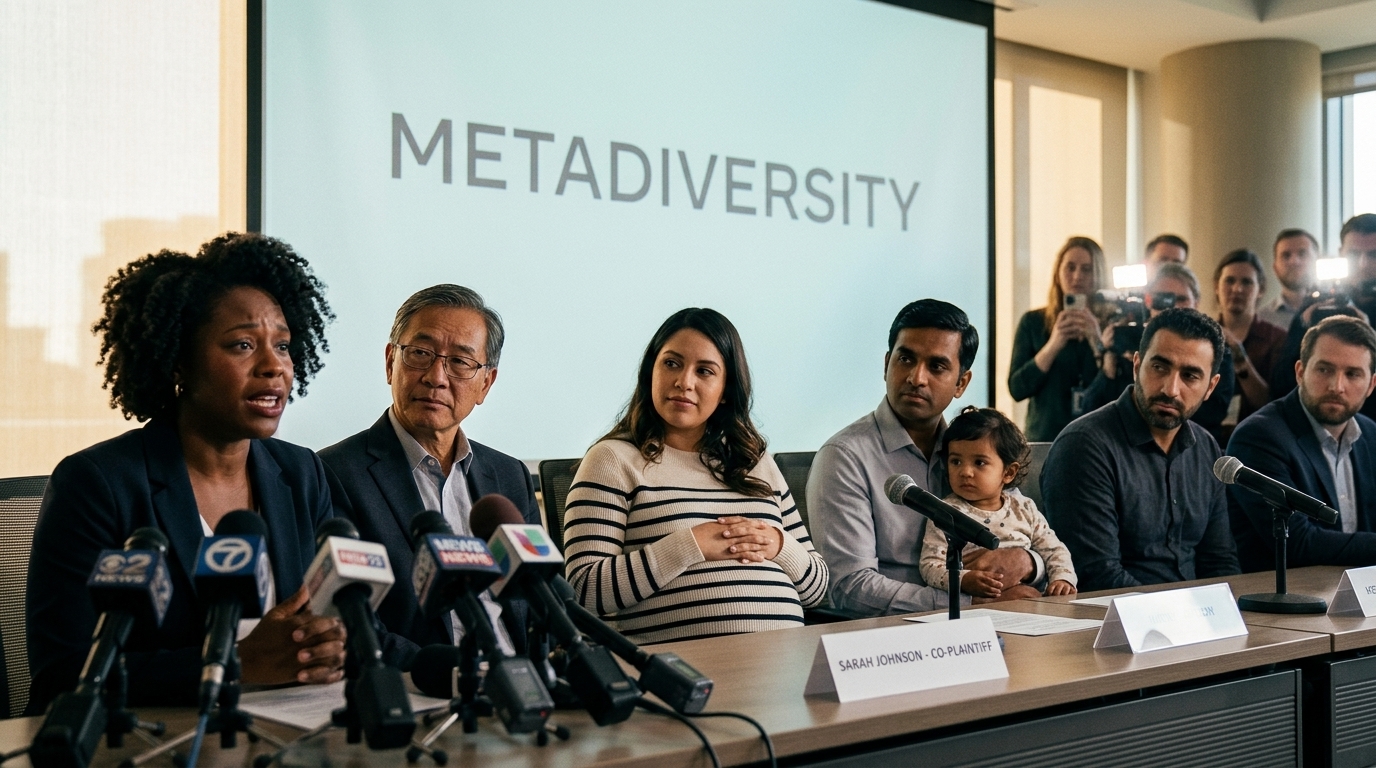
In a watershed moment for the delicate balance between technological expansion and user privacy, Meta Platforms Inc. has announced it is reining in new artificial intelligence tools designed to automatically scrape data from public Instagram images. This retreat follows a crescendo of criticism from global regulators and a vocal community of creators who found their life's work being converted into algorithmic training sets without explicit consent.
The Trajectory of a Tech Standoff
The controversy ignited when Meta revealed its strategy to utilize billions of public posts from Facebook and Instagram to train its next generation of Generative AI models. While Meta argued that leveraging public data is a standard industry practice to enhance user experience and service quality, its reliance on an "opt-out" mechanism—rather than an "opt-in" one—sparked immediate legal and ethical concerns.
In the European Union, the Data Protection Commission (DPC) and the European Data Protection Board voiced significant skepticism regarding the legality of this practice under the General Data Protection Regulation (GDPR). Facing the threat of astronomical fines and protracted litigation, Meta was compelled to pause the rollout of these features across key jurisdictions, marking a significant victory for digital rights advocates.
The Ethics of 'Public' Data
The core of the dispute lies in a fundamental question: does the 'public' status of a photo grant a corporation the right to exploit it for commercial AI training that falls outside the user's original intent? Photographers and digital artists on Instagram argue that AI models trained on their portfolios are effectively being weaponized against them, as these models can eventually generate competing content that devalues original human artistry.
"This is not just about raw data; it is about the intellectual property and personal expression of millions of individuals who never signed up to be part of a machine learning experiment," stated a representative from a leading digital privacy NGO.
Meta's attempts to pacify the public with objection forms were met with further derision, as the process was criticized for being intentionally convoluted, reinforcing the narrative that the company prioritizes rapid development over user autonomy.
Market Implications and the Future of AI Development
Meta's strategic pivot highlights a broader shift in the technology sector. As high-quality data becomes the "new oil" of the 21st century, access to it is becoming increasingly restricted by legal and ethical frameworks. While competitors like OpenAI and Google face similar hurdles, Meta’s position is uniquely sensitive given that its platforms are built on the intimate sharing of personal lives.
- Heightened scrutiny from the EU AI Office and other global watchdogs.
- A potential shift toward the use of synthetic data for model training to bypass privacy issues.
- The urgent need for new content licensing models that provide fair compensation to creators.
In conclusion, Meta’s decision to pull back is more than just a tactical delay; it is a signpost for the future of the AI industry. The era of unchecked data harvesting is drawing to a close, making way for a more regulated and, ideally, ethical digital ecosystem where user consent is no longer an afterthought but a prerequisite.