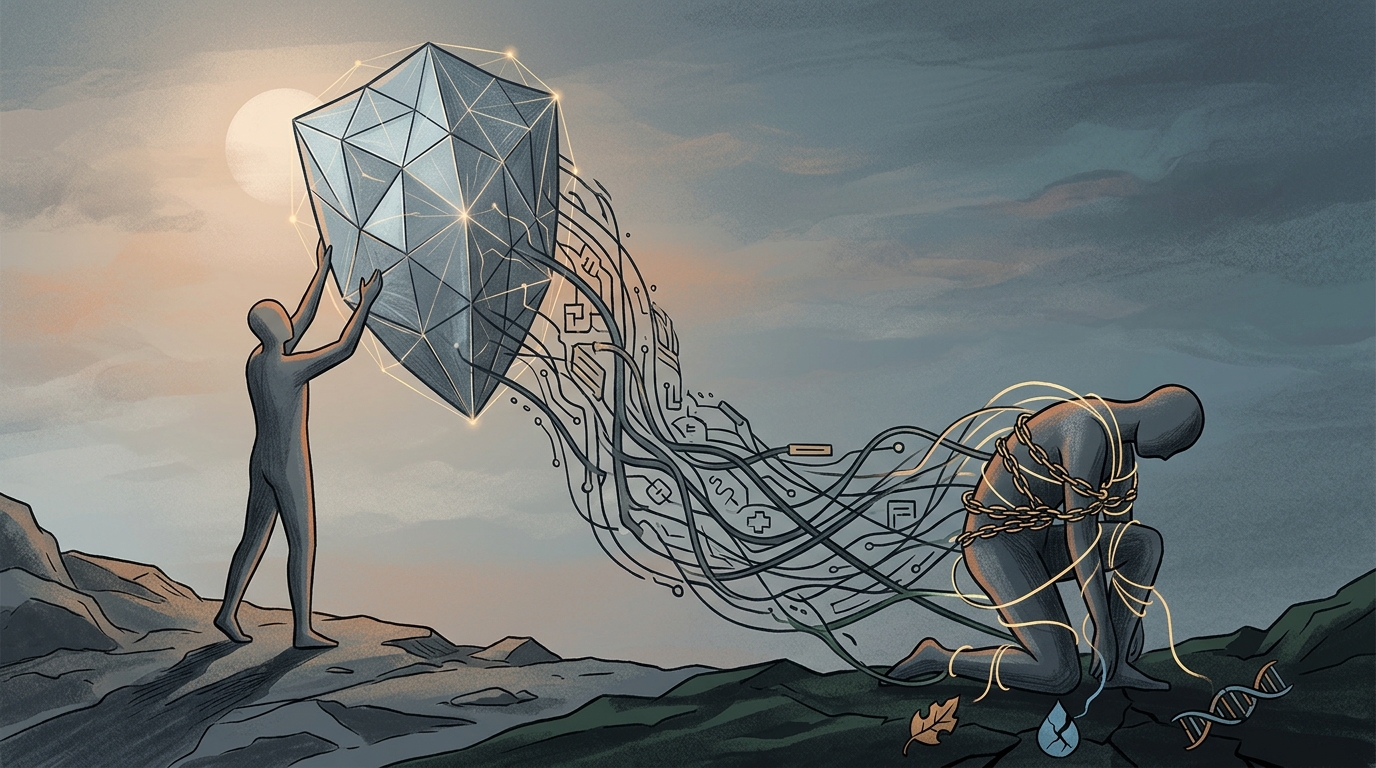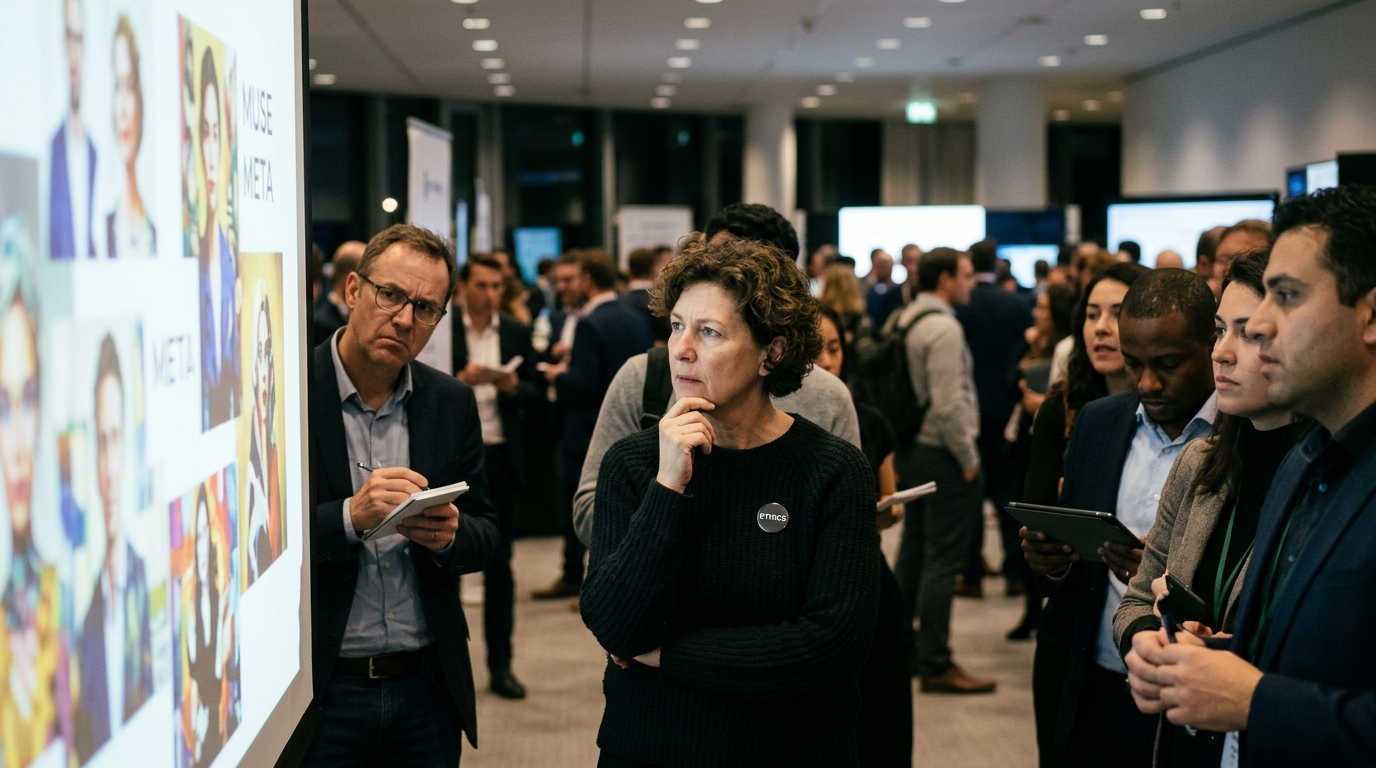
The breakneck speed at which Meta is attempting to weave generative AI into its social fabric has hit a significant ethical and regulatory wall. Within days of announcing a feature that allowed Instagram users to generate AI images by leveraging the content of public accounts, the tech giant was forced to pull the plug. This retreat is not merely a technical adjustment; it is a profound admission that the boundaries between public visibility and digital exploitation remain dangerously ill-defined in the age of synthetic media.
The Anatomy of a Digital Misstep
The feature, powered by Meta’s 'Imagine' AI model, allowed any user to tag a public account and prompt the AI to generate an image of that person in various scenarios. While Meta claimed to have implemented safety filters to prevent the creation of explicit or harmful content, the core functionality itself—using a person’s likeness without explicit consent to generate synthetic content—ignited a firestorm of criticism from creators, privacy advocates, and legal experts.
The issue was not just the potential for malicious deepfakes, but the fundamental violation of digital identity autonomy. When a user opts for a public profile, they consent to their photos being viewed, not to their persona being treated as raw material for a third party's generative experiments. In its rush to close the gap with OpenAI and Google, Meta appears to have underestimated the public's visceral reaction to the 'weaponization' of their own faces.
The Ethical Vacuum and Legal Gray Zones
This episode highlights a massive gap in current intellectual property and data protection laws. While the EU AI Act introduces strict transparency and consent requirements, platforms often lean on broad Terms of Service that users accept without scrutiny. Meta argued that using public data to train its models is legally permissible, but transforming that training into a tool that anyone can use against another individual pushes the concept of 'fair use' to its breaking point.
- The absence of a clear opt-out mechanism for creators and public figures.
- The inherent difficulty in policing deepfake generation in real-time.
- The devaluation of authentic photography and human artistic effort.
- The psychological impact on users seeing their likeness manipulated by strangers.
The backlash intensified as it became clear that the tool could be used to circumvent the intellectual property of artists and influencers. If a user can generate an AI version of a famous model or photographer that perfectly mimics their style and appearance, the commercial value of the original work is decimated. This 'democratized' deepfake creation threatens to turn the internet into a hall of mirrors where truth and authenticity are optional extras.
The Ghost of 'Move Fast and Break Things'
Meta seems to be reverting to its historical playbook: launch products aggressively to capture market share, then apologize when the systemic flaws become undeniable. However, in the AI era, 'breaking things' involves more than just buggy code; it involves eroding social trust and personal security. The suspension of the feature is a victory for digital ethics, but it remains a temporary fix. Meta did not state it was abandoning the concept, only that it was 'pausing' to refine safety parameters.
"Innovation without empathy is merely a more efficient form of exploitation. Turning a person’s life into a prompt is a bridge too far for a society already struggling with the definition of truth," notes Clio in her analysis of the fallout.
In conclusion, Meta’s decision to disable the AI deepfake tool on Instagram is a watershed moment. it demonstrates that collective public pressure and the looming shadow of regulatory oversight can still curb unchecked technological expansion. The lingering question is whether tech giants will internalize these lessons or continue to test the limits of societal endurance until they find the next loophole to monetize individual identity at the expense of human dignity.