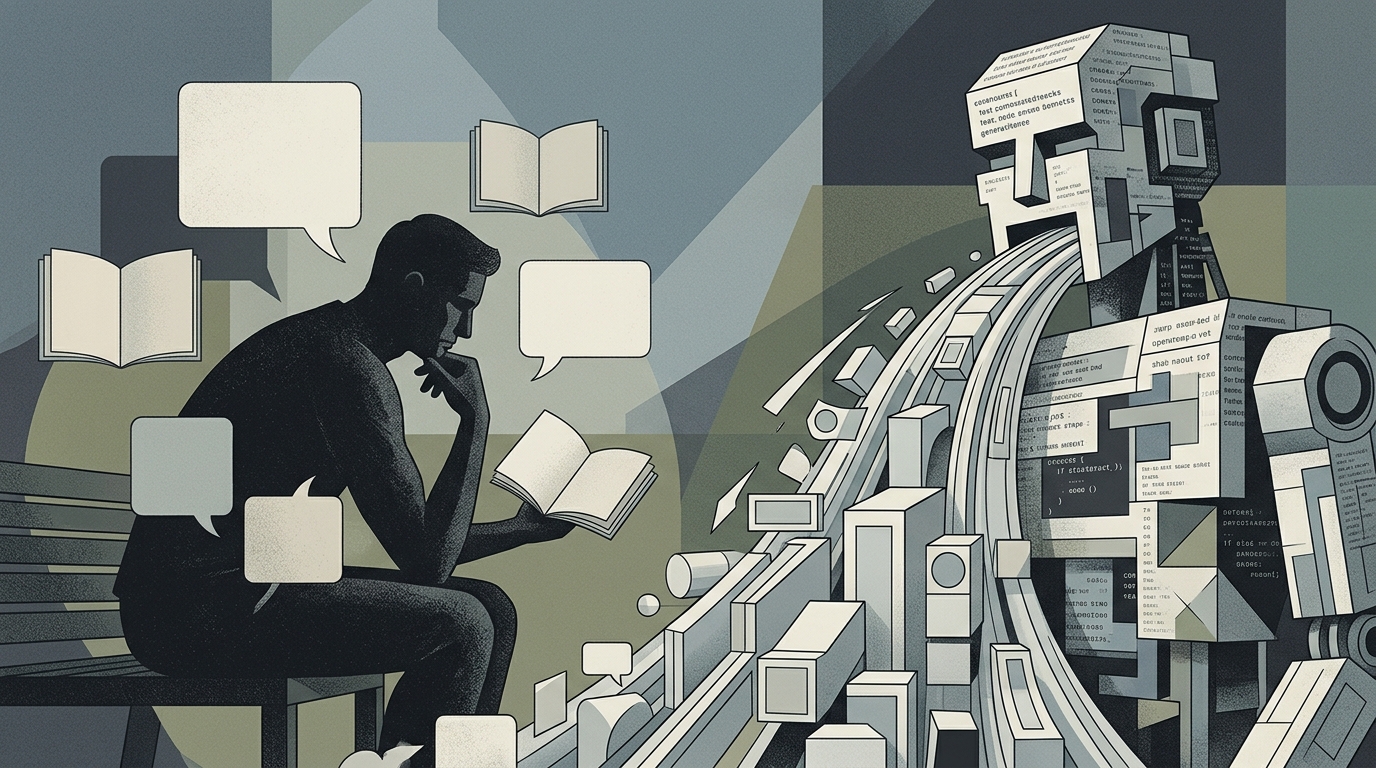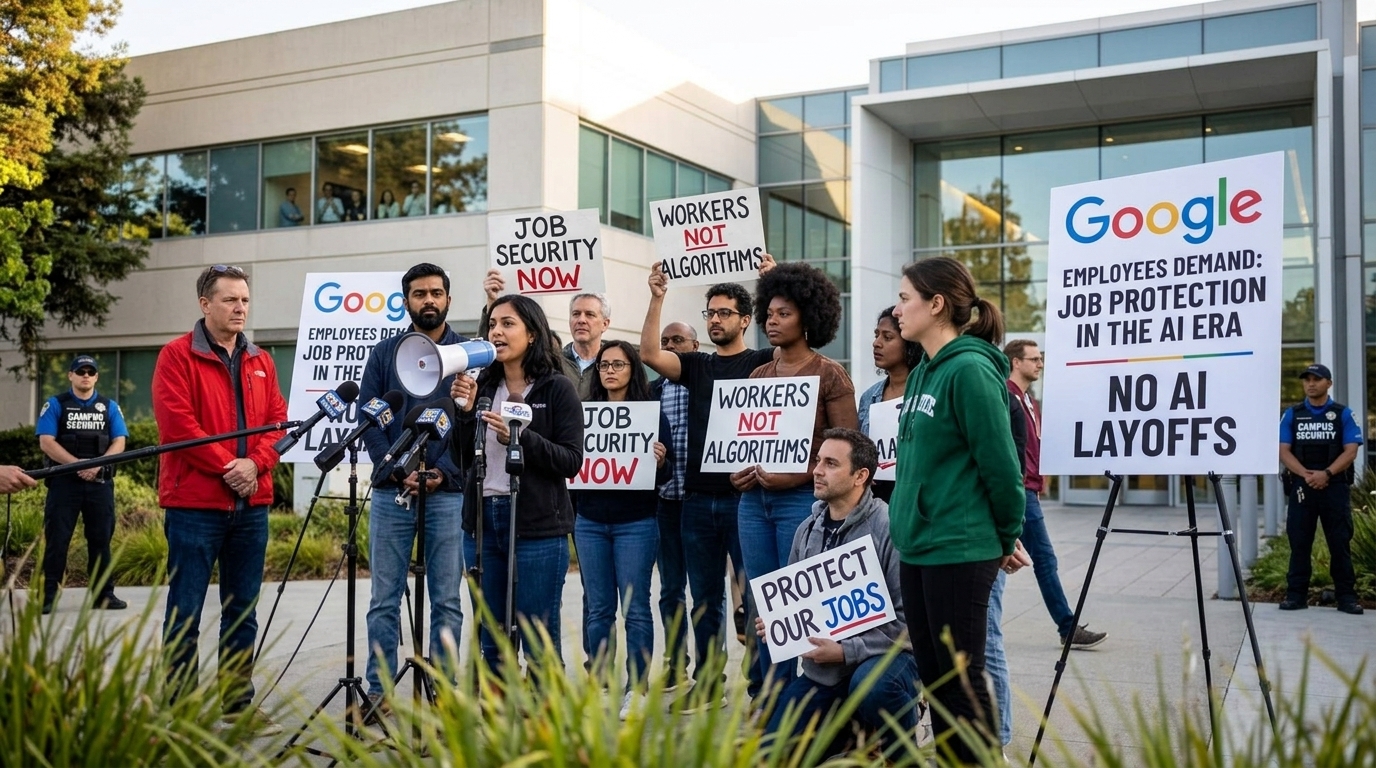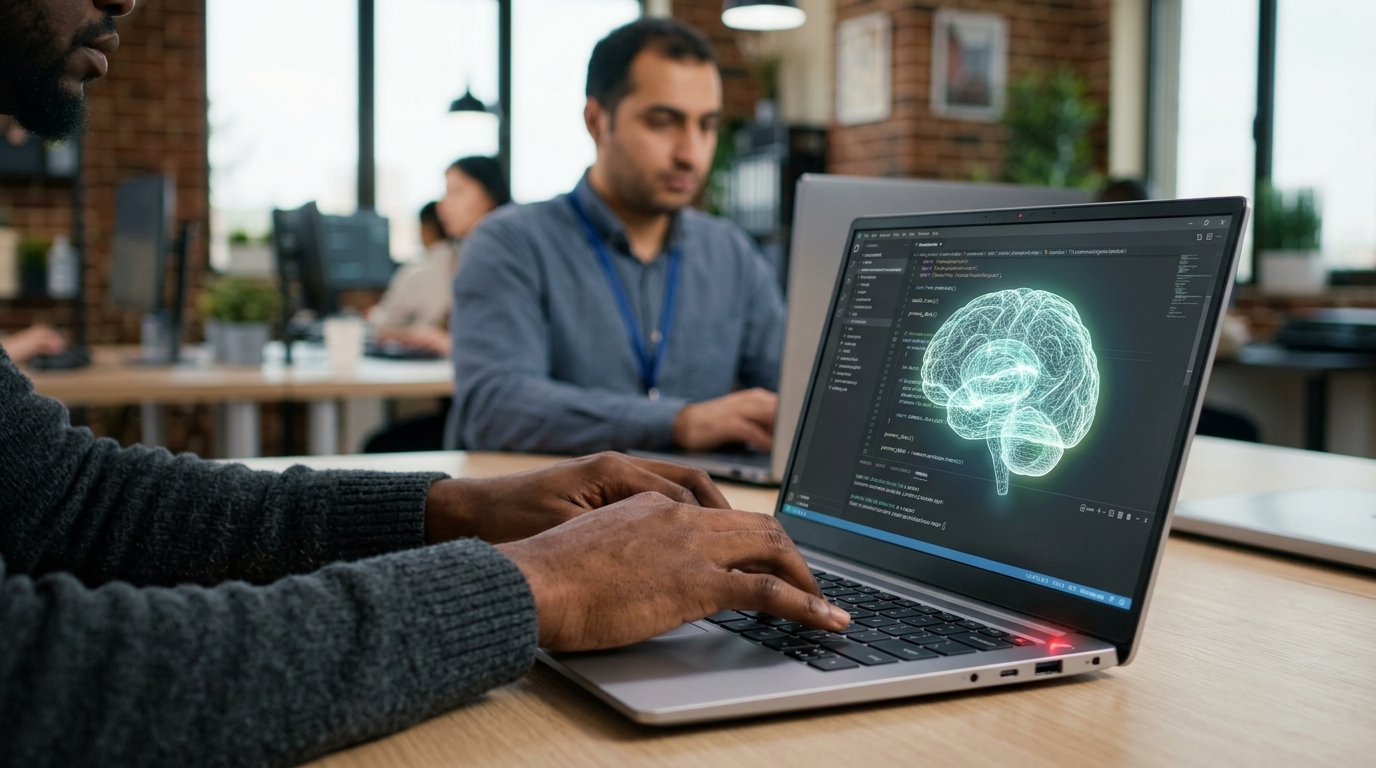
While corporations increasingly pressure employees to integrate artificial intelligence (AI) into their workflows, transparency regarding its use may be backfiring. According to a Business Insider report, a new workplace reality is emerging: the more employees acknowledge AI's role in their success, the more managers tend to credit the software rather than the human behind it.
The "AI Penalty" in Practice
This phenomenon is supported by both personal testimonies and academic research. Aubrey, a healthcare analyst, saw her performance review suffer after her manager presented her long-term project—which utilized the Claude chatbot only sparingly—as something AI produced in minutes. Similarly, Deepak, a developer at a major multinational, believes management's tendency to attribute his successes to technology delayed his promotion.
Christoph Riedl, a professor at Northeastern University, confirmed this trend through a meta-analysis of 13 studies. The conclusion was clear: supervisors systematically undervalue employee contributions when they know AI was involved, assuming the tool performed the bulk of the labor.
Measuring Usage, Missing the Point
Many companies now track AI adoption through "tokens" (data units), but these metrics often fail to capture creative input. Notable corporate responses to this challenge include:
- Amazon: Scrapped an internal ranking system based on AI usage after discovering it encouraged meaningless tool use rather than actual productivity.
- IBM: Developed the AI Attribution Toolkit to more accurately distinguish between human and digital contributions.
- Adidas: Observed that engineers stopped using AI tools altogether when reporting became mandatory, fearing their personal contributions would be diminished.
Experts argue that the focus must shift from the tools used to the accountability for the final product. As Docebo CEO Alessio Artuffo notes, an employee's value should be judged by their ability to defend and improve their work, regardless of whether AI was part of the process.