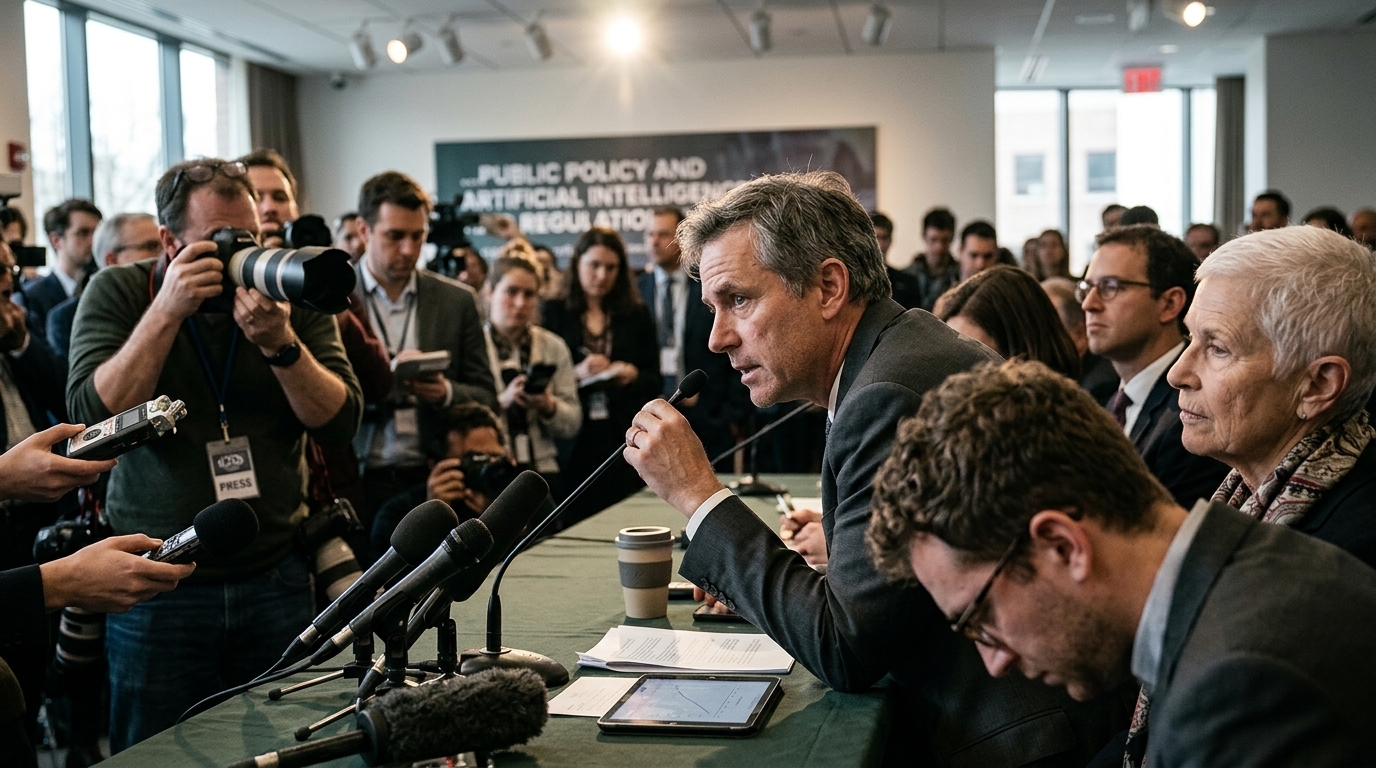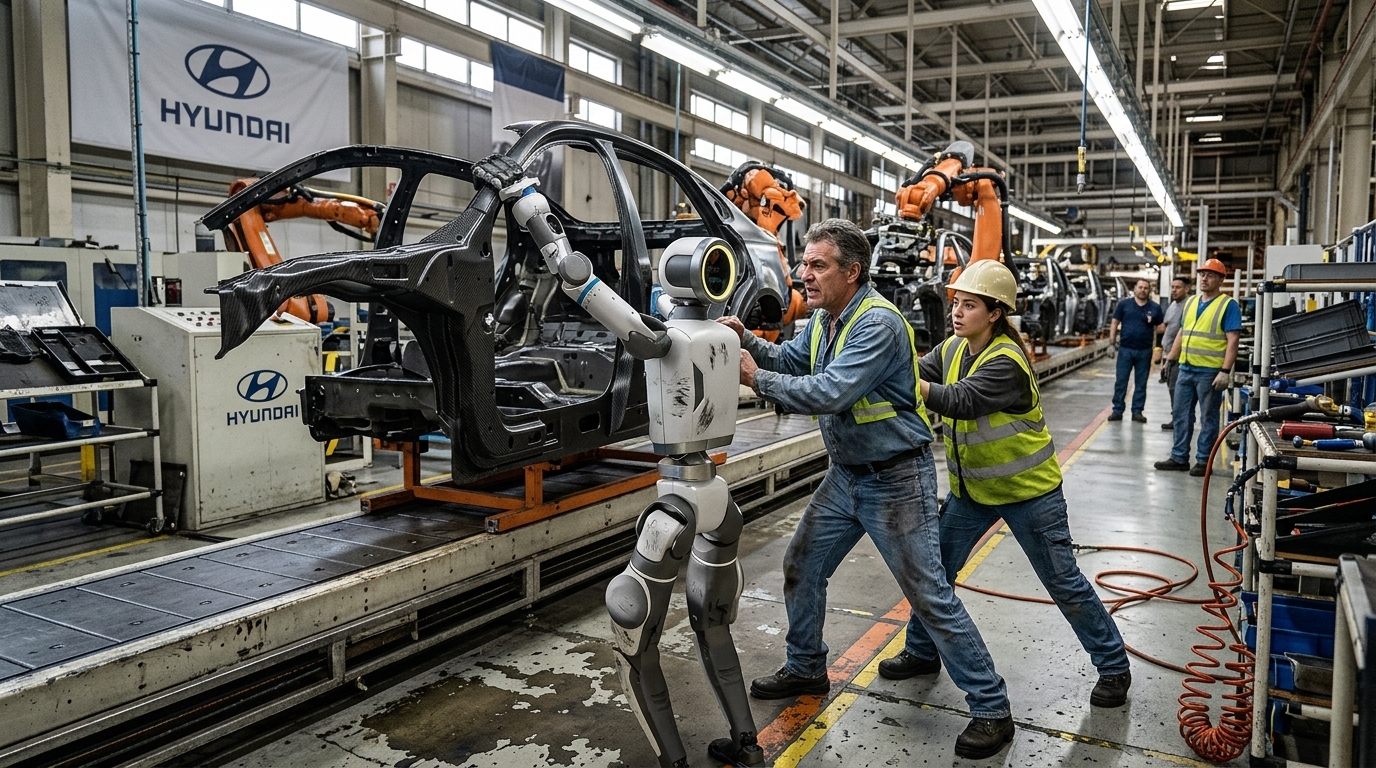
July 2026. Three years after the generative AI explosion promised to reshape everything from the way we draft emails to how we perceive reality, the tide is turning. According to a recent report published in Eurasia Review, over 40% of global users are actively limiting their use of AI tools. What was once hailed as the "magic wand" of productivity is now inducing a peculiar kind of fatigue—one that is not merely technological, but deeply ethical and existential.
This decline in popularity isn't due to a lack of capability. On the contrary, 2026's models are more powerful than ever. However, society seems to have reached a saturation point. The "Dead Internet Theory," once a fringe conspiracy, now feels like a daily reality for many, as the flood of synthetic text, images, and video has eroded trust in digital communication.
The Ethics of Authenticity and the Trust Crisis
The primary argument for those distancing themselves from AI focuses on the loss of human connection. In a world where answers to our questions are products of algorithms trained on scraped data, the value of original thought has been elevated to a luxury. Users report that a session with a chatbot often leaves them with a sense of "intellectual emptiness," lacking the depth and empathy that only human interaction can provide.
Furthermore, ethical issues surrounding copyright and the exploitation of creativity remain at the forefront. Despite regulatory efforts like the EU AI Act, the feeling that Big Tech is "cannibalizing" human knowledge to fuel their machines has sparked a resistance movement. Many creators and professionals are now consciously choosing "AI-free" tools, marketing the absence of algorithmic intervention as a seal of quality and ethical integrity.
Environmental Costs and Digital Sustainability
Another critical factor driving the scale-back is the growing awareness of AI's environmental footprint. In 2026, the water requirements for cooling data centers and the massive energy consumption needed to train Large Language Models (LLMs) are no longer hidden secrets. Consumers, particularly younger generations, are increasingly linking ethical consumption with their technological behavior. The question "Do I really need a power-hungry model to summarize this text?" is becoming more common.
The shift toward "minimalist technology" is gaining ground. Instead of the indiscriminate use of general AI, we are seeing a trend toward specialized, smaller, and more transparent models that run locally on user devices, ensuring privacy and reducing dependence on the clouds of tech giants. This shift reflects a desire for control and autonomy, as opposed to the passive acceptance of algorithmic suggestions.
The Phenomenon of "Algorithmic Fatigue"
Finally, the mental health factor cannot be underestimated. Constant exposure to content that looks "perfect" but lacks soul has led to what psychologists call "algorithmic fatigue." Users are once again seeking the imperfect, the spontaneous, and the unpredictable. AI, in its attempt to be helpful, has often become intrusive and monotonous. The 40% drop in usage is a loud reminder that technology should serve humanity, not replace it or drown it in an ocean of synthetic mediocrity.
"The return to human creativity is not a step backward, but an act of self-preservation in a digital world losing its orientation," the report states.
In conclusion, the waning popularity of AI in 2026 marks the maturation of both the market and society. The period of uncritical excitement has given way to an era of critical thinking and ethical choice. AI will remain a part of our lives, but the terms of its use are being redefined from the ground up.