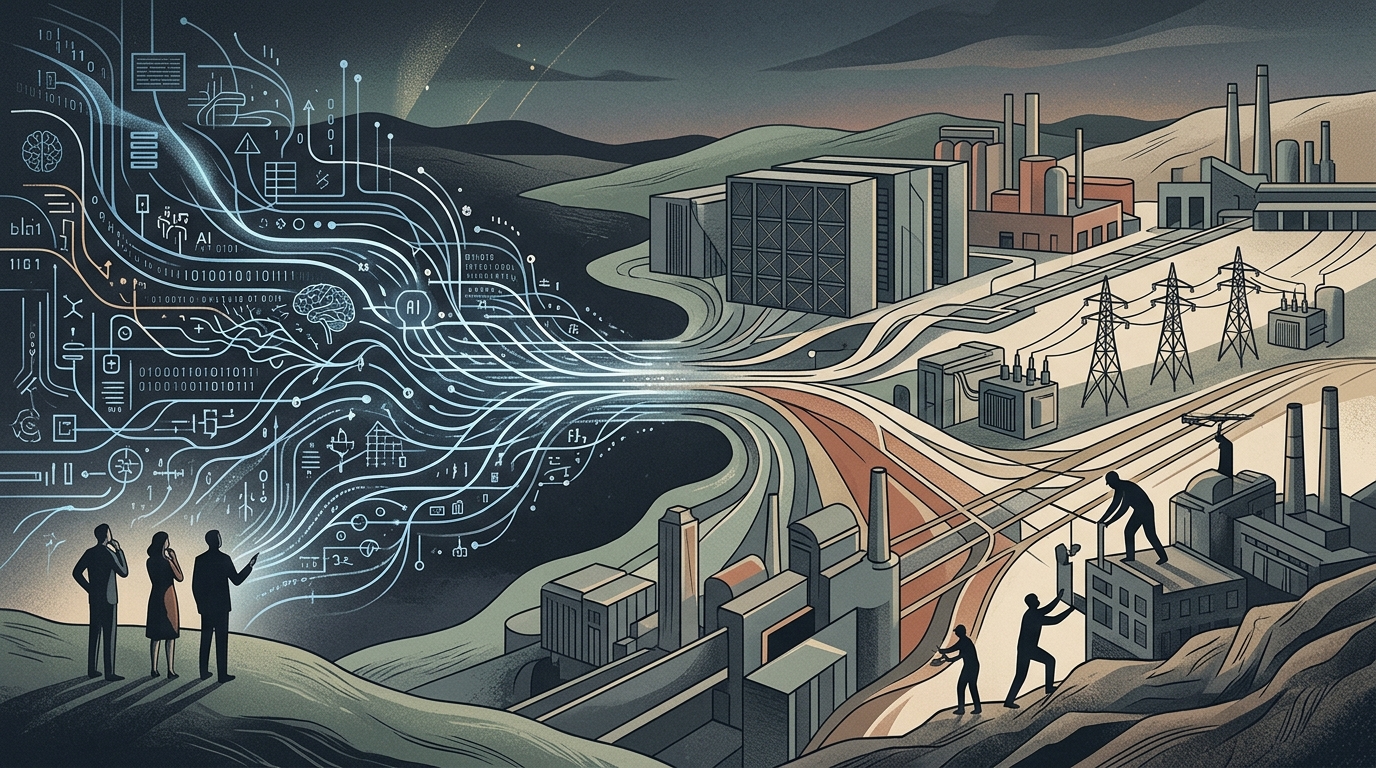
In the digital age, parental pride has found a new outlet: social media. However, what begins as an innocent post of a vacation photo or a child's first day at school is evolving into one of the most complex ethical and security issues of our decade. The emergence of Generative Artificial Intelligence (AI) has radically changed the rules of the game, turning so-called 'sharenting'—the combination of sharing and parenting—from a controversial habit into a potential threat to children's futures.
The Danger of Deepfakes and Digital Kidnapping
The greatest fear of security experts today is not just simple identity theft, but the creation of deepfake content. With just a few seconds of video or a few static photos, AI tools can now reproduce a child's likeness and voice with terrifying accuracy. This material can be used to create illegal content (CSAM), for 'digital kidnapping' scams where perpetrators extort parents using convincing images of their children, or even for bullying in school environments.
The ease with which algorithms can 'undress' or manipulate an image means that a beach photo, which for a parent is a sweet memory, is for a malicious user the raw material for producing unacceptable content. Experts warn that 50% of the material circulated in illegal forums originates from public posts by parents on social media. The speed of AI generation means that once a photo is scraped, it can be transformed and distributed globally in seconds.
Data Commodification and the Right to be Forgotten
Beyond immediate criminal risks, there is the dimension of the permanent digital shadow. Children born today acquire a digital footprint before they even learn to speak. Their photos feed the datasets used to train the AI models of tech giants. Without their consent, their facial features become part of a global database that could be used for facial recognition or targeted advertising in the future.
The ethical question is clear: Do parents have the right to deprive their children of the 'right to be forgotten'? When these children reach adulthood, they will face a digital past they did not choose, which could affect their professional careers or personal lives, especially as evaluation algorithms become increasingly intrusive. We are essentially building a digital dossier for them that they can never fully erase.
Protection Strategies: From Naivety to Digital Vigilance
The solution is not necessarily complete withdrawal from technology, but the adoption of a 'digital minimalism' culture. Parents are encouraged to follow several key steps:
- Privacy by Design: Set your profiles to strictly private and regularly audit your followers list.
- Feature Alteration: Use stickers (emojis) or blur children's faces before posting.
- Avoid Identifiable Information: Do not post photos that reveal home locations, schools, or the child's full name.
- Education: Talk to children, depending on their age, about the value of privacy and the risks of the internet.
"The photo you upload today is the biometric key you hand over to the algorithms of tomorrow," warn digital security analysts.
In conclusion, artificial intelligence is not the enemy, but a mirror that magnifies the weaknesses of our social behavior online. Protecting minors requires a new social contract, where a child's safety takes precedence over the need for social validation through 'likes'. As AI continues to evolve, our caution must evolve even faster.