In an era where geopolitical tensions echo the darkest periods of the Cold War, the emergence of Artificial Intelligence (AI) offers a glimmer of hope—or perhaps a new layer of complexity. A growing community of scholars and international security experts is now focusing on AI’s role in peacebuilding. The fundamental question is: Can algorithms, free from human fatigue and nationalist biases, help prevent the next war?
Conflict Prevention and Early Warning Systems
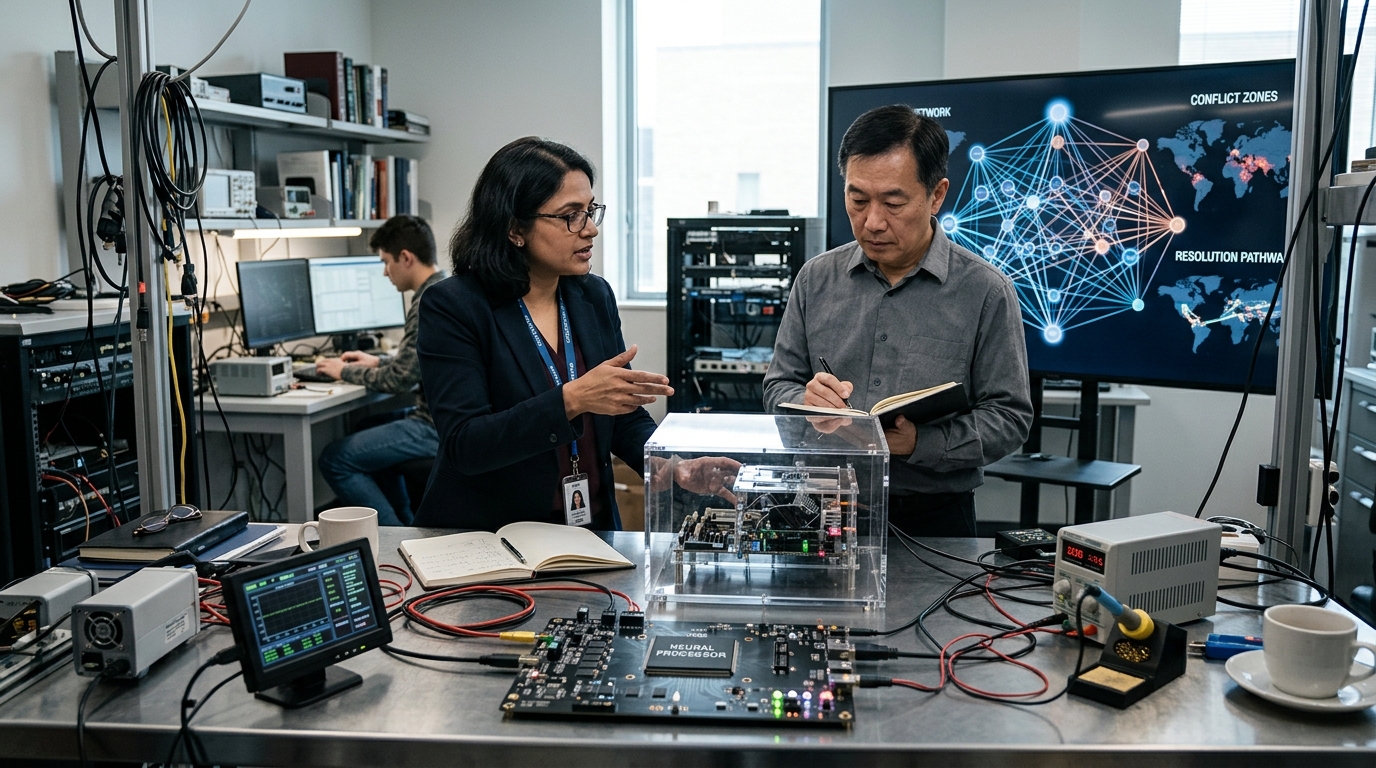
The most immediate application of AI in peacebuilding lies in data analysis for Early Warning Systems. Traditionally, analysts relied on static reports and limited information sources. Today, machine learning models can process vast amounts of real-time data—from food price fluctuations and population movements to hate speech on social media. These systems can identify "escalation patterns" that often escape the human eye.
For instance, sentiment analysis in local dialects can warn of impending ethnic violence weeks before it breaks out on the streets. Scholars argue that if the international community had access to such tools during previous crises, diplomatic intervention could have started much earlier. However, the challenge remains political will: knowing a conflict is coming does not guarantee action to prevent it.
Ethical Dilemmas and the "Dark Side" of Technology
Despite the potential, the use of AI in peacebuilding is not without risks. Academics are sounding the alarm over "algorithmic bias." If the data these systems are trained on comes primarily from Western sources, there is a risk of misinterpreting dynamics in the Global South, leading to flawed mediation strategies. Furthermore, there is the danger of "digital colonialism," where tech giants from the developed world impose their own peace models on foreign cultures.
"Peace is not merely the absence of war, but the presence of justice. If AI is used only for surveillance and control of populations under the guise of stability, then it does not serve peace, but suppression," one of the participating scholars noted.
Moreover, the same technology that can be used for mediation is simultaneously being used to develop autonomous weapons systems and spread disinformation. This duality of technology makes academic research critical for creating regulatory frameworks to ensure AI remains a tool for stability rather than a weapon of destabilization.
From Theory to Practice: Digital Mediation
Another fascinating aspect is the use of Large Language Models (LLMs) in supporting negotiations. AI can act as a "neutral third party," helping opposing sides find common ground. By simulating different agreement scenarios, AI can suggest solutions that satisfy the core demands of both parties, reducing the emotional baggage that often leads human talks to a stalemate.
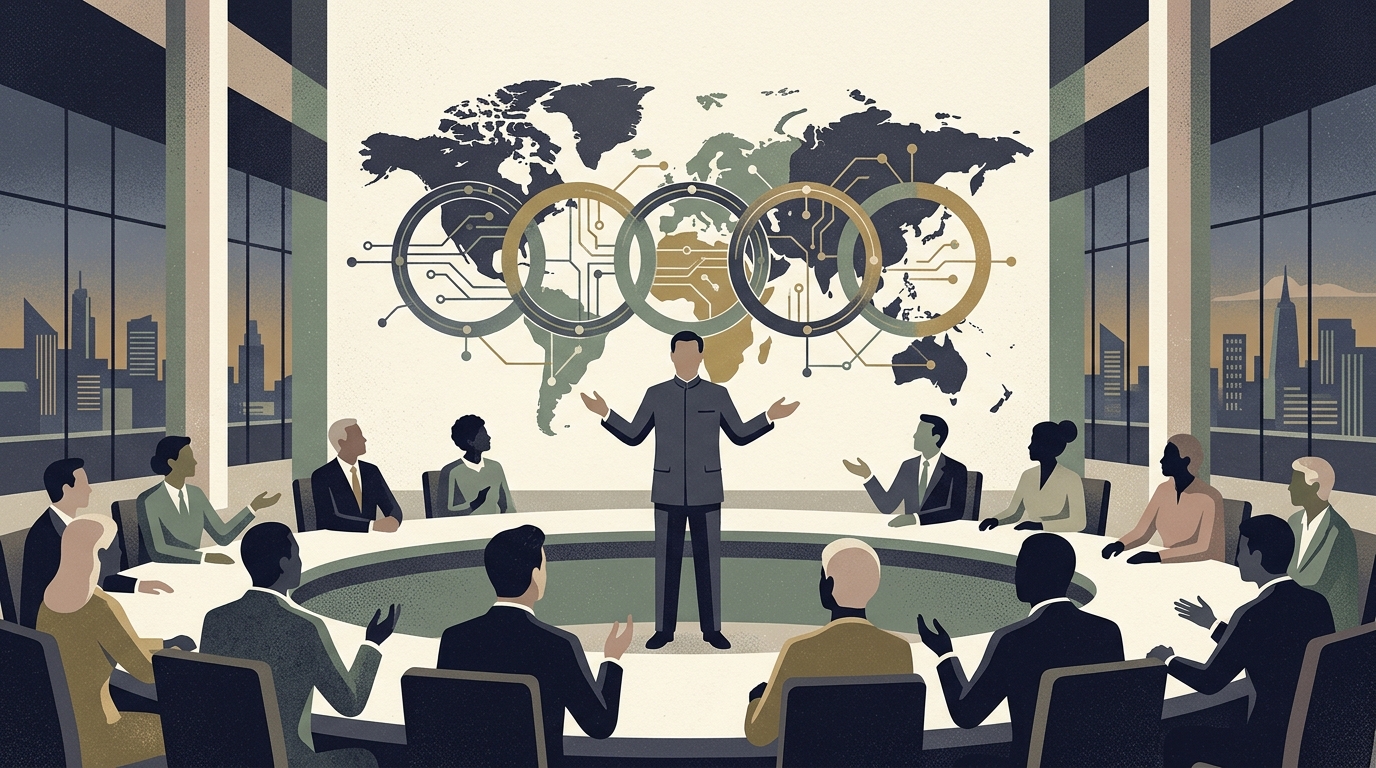
Scholars propose the creation of "digital peace rooms," where AI analyzes leaders' statements in real-time, highlighting misunderstandings due to cultural differences or poor translation. This "augmented diplomacy" does not seek to replace diplomats but to provide them with the tools to navigate an increasingly complex world. Peace in the 21st century may ultimately depend on how well we can combine human empathy with algorithmic precision.
Conclusion: A New Era for International Security
The initiative by scholars to examine AI's role in peacebuilding comes at a critical juncture. As technology evolves faster than our political capacity to manage it, the academic community is taking on the burden of charting an ethical path. Artificial Intelligence is not a panacea. It cannot erase centuries of hatred or resolve territorial disputes with the click of a button. But it can give us the time and the data we need to choose dialogue over conflict.