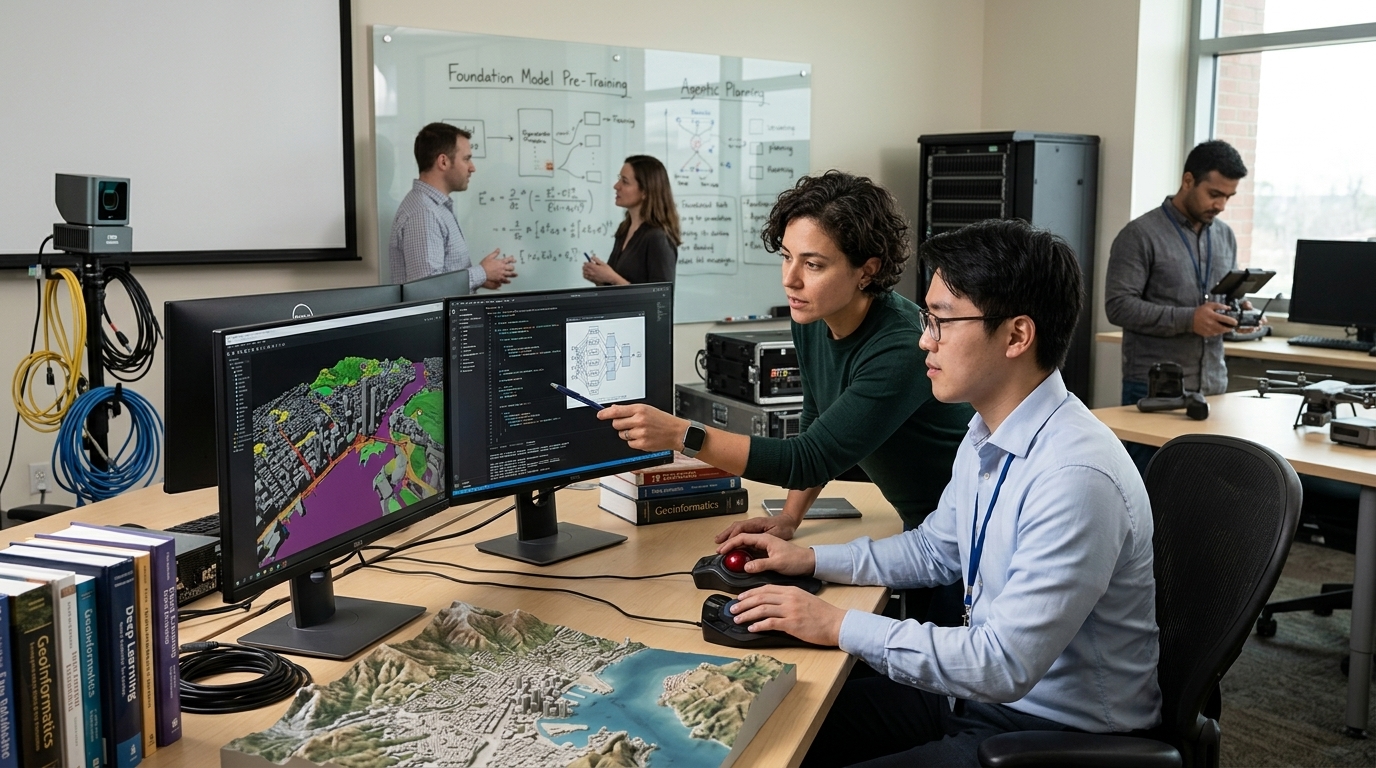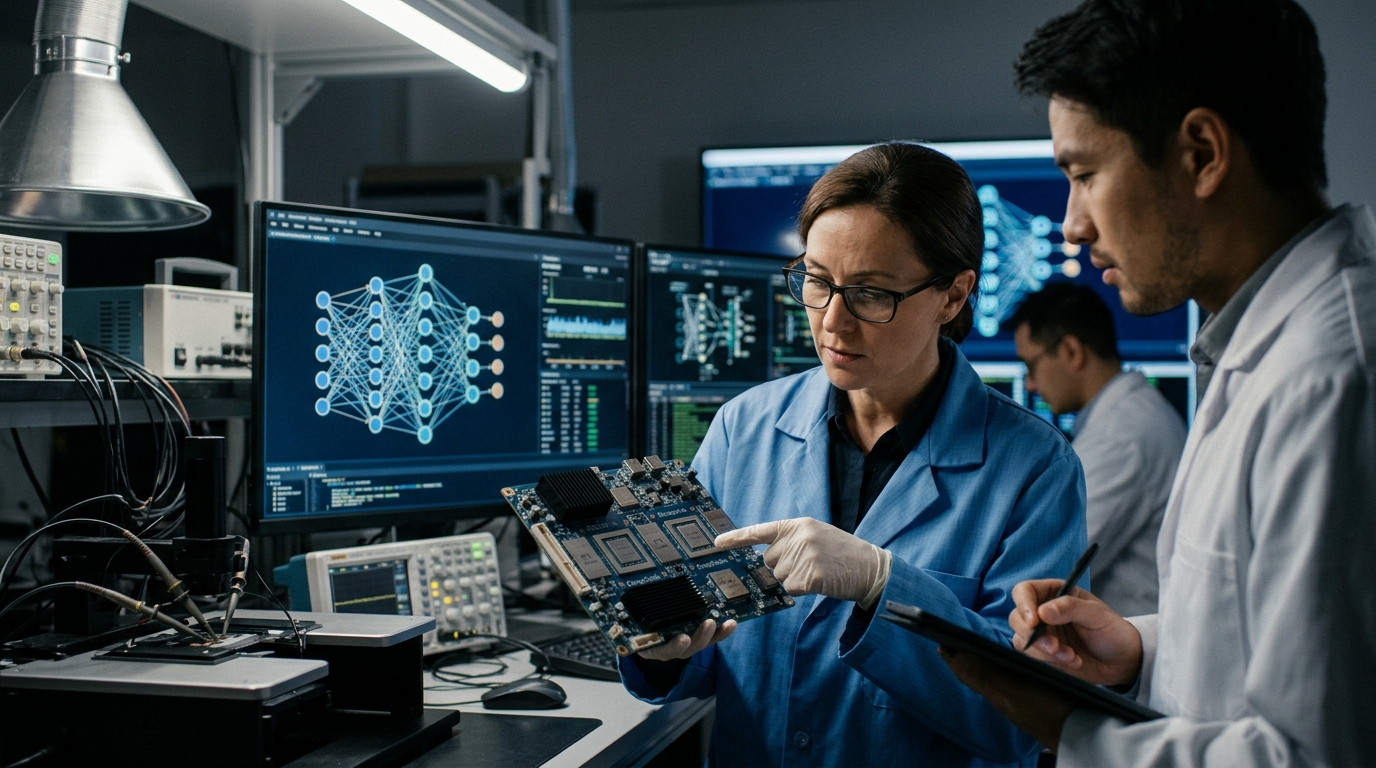
In the high-stakes theater of global artificial intelligence, a new protagonist is emerging from Beijing, poised to disrupt the silicon status quo. DeepSeek, the AI lab that gained international acclaim for the efficiency of its large language models (LLMs), is reportedly developing its own specialized AI chip. This move is not merely a survival tactic against U.S. export restrictions; it is a strategic offensive targeting both the global leader, NVIDIA, and the domestic champion, Huawei.
The Convergence of Code and Silicon
DeepSeek has already demonstrated that intelligence does not always require brute force. Through its implementation of Mixture-of-Experts (MoE) architecture, the lab managed to match GPT-4's performance at a fraction of the training cost. Now, the company is applying this lean philosophy to hardware. By designing a chip optimized specifically for its proprietary algorithms, DeepSeek aims to eliminate the latency and energy waste inherent in general-purpose GPUs.
The fundamental issue with NVIDIA’s GPUs, despite their dominance, is their versatility. For a company like DeepSeek, which utilizes highly specific data handling methods like Multi-head Latent Attention (MLA), a custom chip could provide up to a tenfold increase in performance-per-watt. This strategy of vertical integration mirrors Apple’s approach: when software and hardware share a common language, the resulting efficiency leaves competitors struggling with the overhead of compatibility.
A Two-Front War: NVIDIA vs. Huawei
For NVIDIA, the threat is multifaceted. On one hand, U.S. export bans on flagship chips like the H100 and B200 have left a massive vacuum in the Chinese market. On the other, if DeepSeek proves that specialized chips are the future of AI at scale, the demand for expensive, general-purpose GPUs may begin to erode. NVIDIA has attempted to retain its Chinese footprint with "nerfed" versions like the H20, but these solutions look increasingly unappealing compared to a domestic, tailor-made alternative designed for the next generation of models.
However, the more surprising disruption lies in the challenge to Huawei. Until now, Huawei was seen as China’s "national champion," with its Ascend 910B series serving as the only viable domestic alternative to NVIDIA. DeepSeek’s entry into hardware creates internal competition that Beijing may actually encourage to spur innovation. While Huawei provides a broad enterprise stack, DeepSeek is laser-focused on the bleeding edge of AI research. If DeepSeek’s silicon proves superior for training frontier models, Huawei risks being relegated to providing infrastructure for less demanding, legacy applications.
Geopolitical and Economic Implications
DeepSeek’s pivot highlights a growing sentiment that U.S. sanctions may have backfired. Instead of stifling Chinese progress, these restrictions have acted as a catalyst for the development of an autonomous ecosystem. DeepSeek, backed by the formidable resources of High-Flyer Quant, possesses the capital and technical prowess to bypass Western dependencies.
- Strategic Autonomy: Reducing reliance on global supply chains, even as domestic fabrication remains a hurdle.
- Cost Efficiency: Drastically lowering the cost of inference to make AI accessible for mass-market integration.
- Architectural Shift: Moving from generic GPUs to specialized units that prioritize memory bandwidth over raw compute.
The primary challenge remains fabrication. Designing a world-class chip is one thing; manufacturing it at 5nm or 3nm scales within China is another. While SMIC (Semiconductor Manufacturing International Corporation) is making strides, the lack of EUV lithography machines remains a significant bottleneck. Nevertheless, DeepSeek appears to be betting that architectural ingenuity can compensate for hardware manufacturing limitations.
Conclusion
The news of DeepSeek’s chip is more than a technical update; it is a declaration of independence. In a world where compute is the new oil, DeepSeek refuses to be a mere consumer. If successful, they will have provided the blueprint for the AI companies of the future: integrated entities that control everything from the first line of code to the final transistor. NVIDIA and Huawei have every reason to be watchful, as the old adage "software is eating the world" gives way to a new reality: "software is building its own foundation."