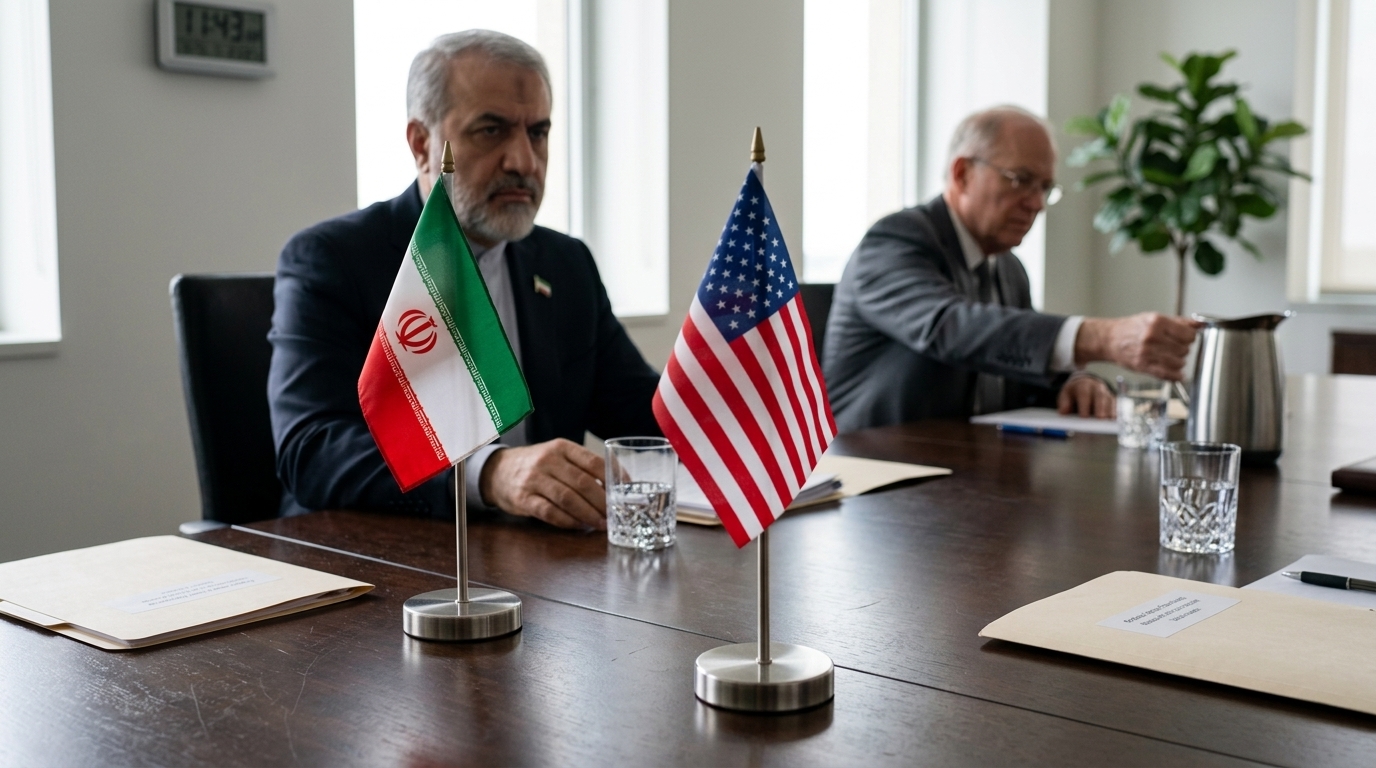
In a move that highlights the escalating tension between global supply chains and national security interests, Apple Inc. has reportedly formally requested approval from the United States government to source memory chips from ChangXin Memory Technologies (CXMT). This request is particularly provocative given that CXMT is currently listed on the Pentagon’s 1260H list, a roster of companies identified as having alleged connections to the Chinese military. Apple, a company that traditionally avoids the political fray, now finds itself at the center of a geopolitical storm that could redefine Washington-Beijing relations in the high-tech sector.
The Memory Crisis and the Search for Alternatives
Apple’s decision to pivot toward CXMT is not a matter of choice, but of necessity. As we move through mid-2026, the global market for DRAM and High Bandwidth Memory (HBM) is facing unprecedented constraints. The explosive growth of on-device Artificial Intelligence—exemplified by the Apple Intelligence features integrated into the latest Macs and iPhones—has sent memory requirements skyrocketing. Apple’s traditional suppliers, including Samsung, SK Hynix, and Micron, are struggling to keep pace with demand, leading to significant price hikes and shortages that threaten the profit margins of the Cupertino-based giant.
CXMT, China’s leading DRAM manufacturer, presents a compelling solution. With the capacity to produce high-performance memory at competitive prices, the Chinese firm could help Apple mitigate the rising costs of its hardware. However, CXMT’s presence on the Pentagon’s blacklist makes any partnership extremely sensitive. While the 1260H list does not carry an immediate ban on trade, it serves as a stern warning and is often a precursor to more severe sanctions from the U.S. Department of Commerce’s Bureau of Industry and Security (BIS).
The Geopolitical Chessboard and Apple’s Lobbying Efforts
Apple argues that sourcing from CXMT is essential for maintaining its competitive edge in the global market. According to Washington insiders, the company’s lobbyists are making the case that memory chips are "commodities" and do not pose the same national security risks as cutting-edge logic processors or AI accelerators. Furthermore, Apple emphasizes that relying on a small oligopoly of suppliers in South Korea and the U.S. creates systemic risks for supply chain stability.
On the other hand, hawks in Washington view this move as a dangerous concession. They argue that providing revenue to CXMT directly bolsters China’s technological base, which in turn fuels the country’s military modernization. This debate reflects the broader American dilemma: how to contain China’s technological rise without crippling its own champion corporations that depend on Chinese markets and manufacturing ecosystems. The outcome of Apple's request will be a bellwether for future U.S. trade policy regarding the 1260H list.
Implications for Consumers and the Global Market
If the administration denies Apple’s request, the consequences will be felt directly by consumers. Analysts predict that the prices of Macs with high memory configurations could rise by as much as 15%, as Apple would be forced to pass on the costs of more expensive chips from Micron and Samsung. Already, shipping delays for high-end MacBook Pro models are being reported due to the scarcity of specialized memory modules.
However, if the waiver is granted, it will set a significant precedent. Other U.S. tech giants, such as Dell and HP, would likely rush to request similar exemptions, potentially undermining the effectiveness of the sanctions regime against Chinese semiconductor firms. This could lead to a new phase of the "chip war," where economic pragmatism begins to outweigh security concerns.
- Apple needs high-density DRAM for its M4 and M5 chip architectures to support local AI processing.
- CXMT has rapidly advanced its manufacturing capabilities, nearing parity with global leaders in certain DRAM segments.
- The U.S. government is wary of allowing a major American firm to fund a blacklisted entity.
- Supply chain diversification is becoming a matter of survival for consumer electronics manufacturers.
"Apple is in an impossible position. It must choose between adherence to national security guidelines and survival in a market where the cost of AI components is reaching a breaking point," says a senior semiconductor market analyst.
In conclusion, the CXMT case is more than a simple procurement deal. It is a test of how far Washington is willing to go to "de-risk" its economy from China and how much leverage Apple still holds over political decision-making. The fate of this application will determine not only the price of the next iPhone but the trajectory of the technological cold war for years to come.