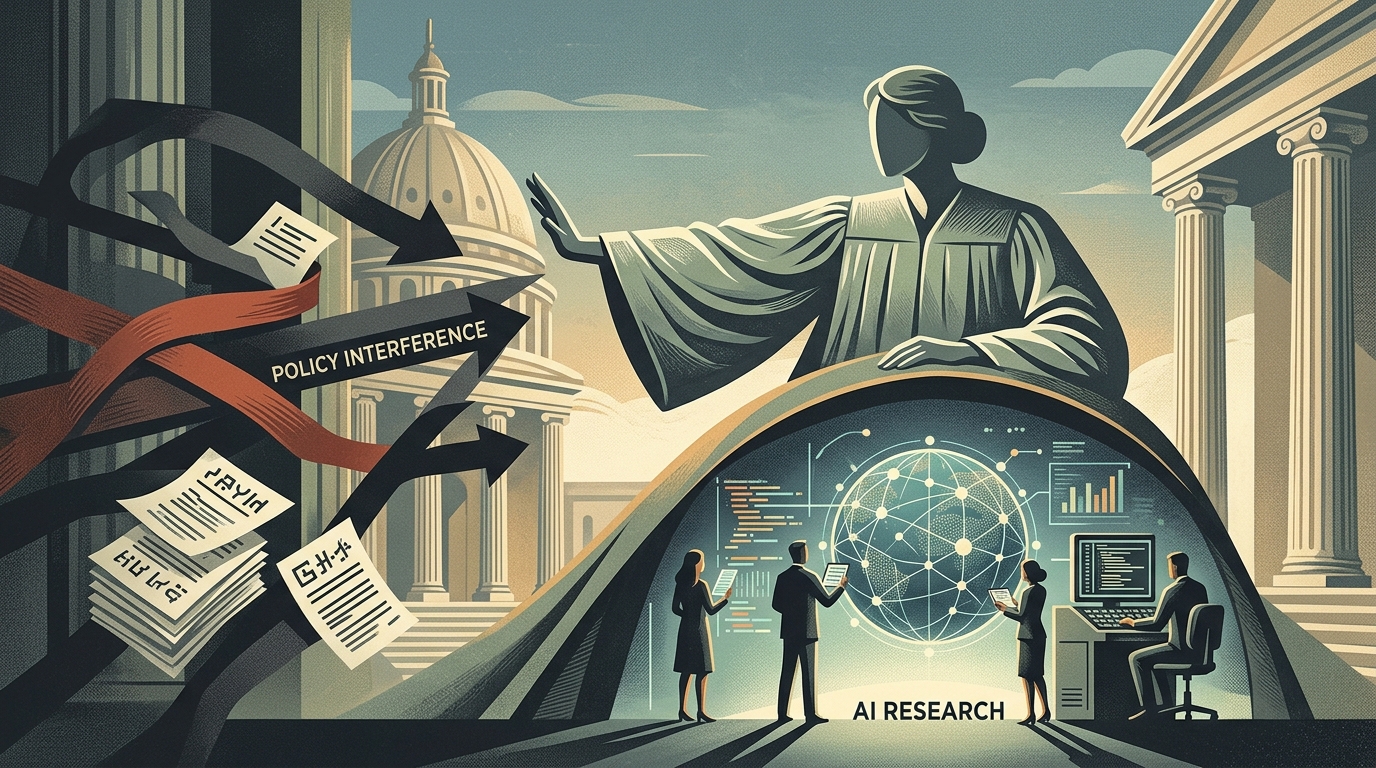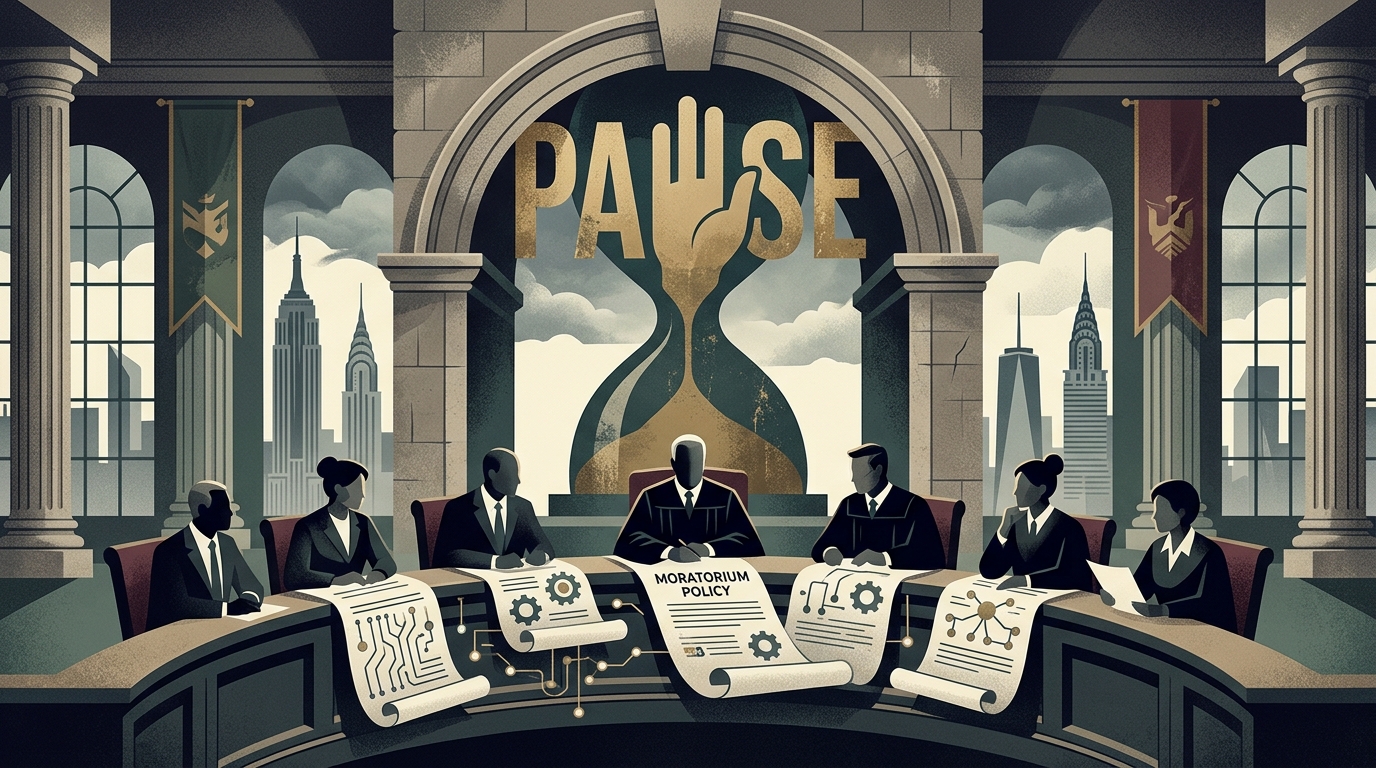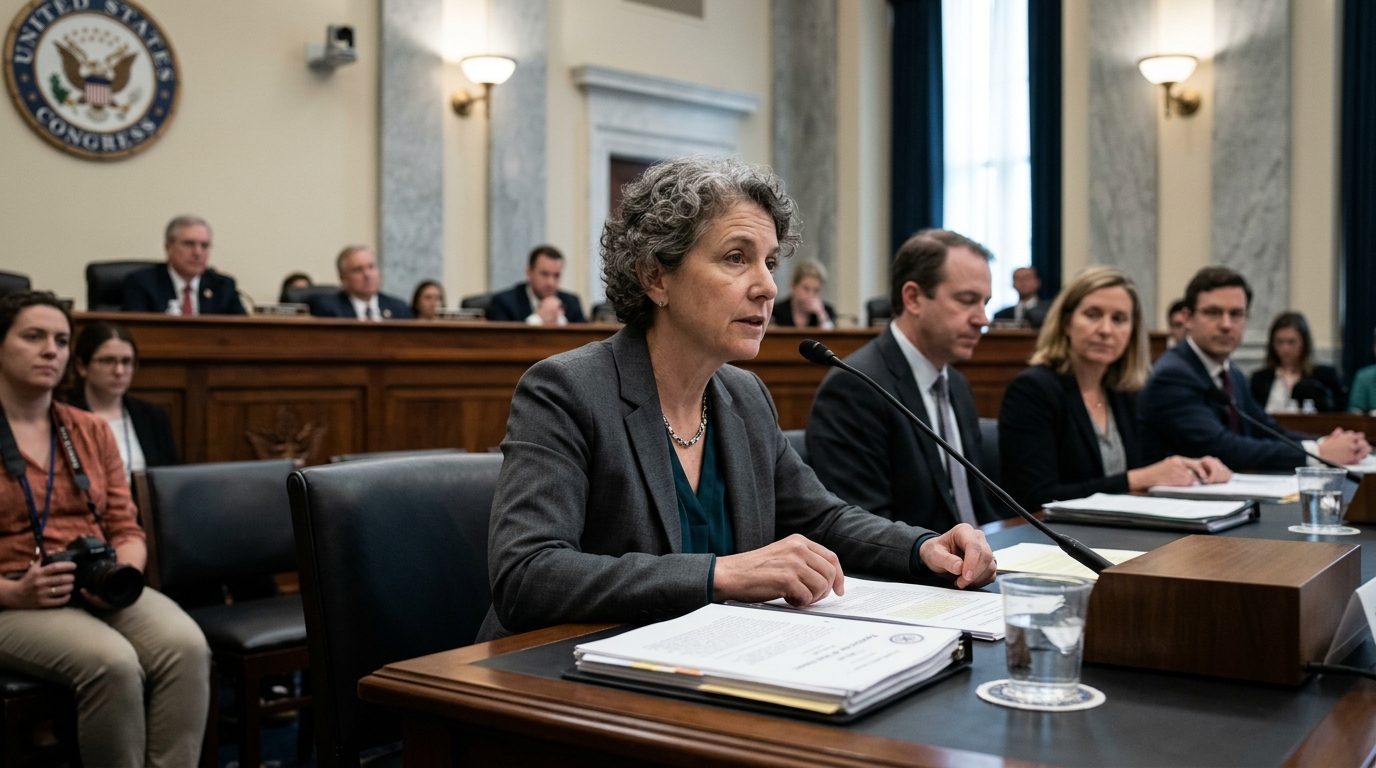
For decades, the "Daubert standard" has served as the bedrock of American jurisprudence regarding the admissibility of expert witness testimony. Established by the U.S. Supreme Court in 1993, it mandated that judges act as "gatekeepers," ensuring that scientific testimony is grounded in reliable methodologies. However, the rise of Artificial Intelligence (AI) and complex algorithmic systems has exposed a vacuum that traditional rules struggle to fill. The proposed Federal Rule of Evidence 707 (FRE 707) aims to address this head-on: the reliability of machine-generated outputs.
The Necessity of a Specialized Rule
Current evidentiary frameworks, specifically Rule 702, are fundamentally anthropocentric. When an expert testifies, the court scrutinizes their credentials, their methodology, and the data they relied upon. But what happens when the "conclusion" is not reached by a human, but by a "black box" algorithm? Today, AI is integrated into every facet of the legal process—from DNA mixture analysis and facial recognition to recidivism prediction and complex damages modeling. The core issue is that these systems often lack transparency, making cross-examination impossible under traditional standards.
Proposed Rule 707 seeks to establish rigorous criteria for "machine-generated output." It is no longer sufficient for an expert to merely state that "the computer produced this result." The court must be convinced of the validity of the software itself, the integrity of the data input process, and the absence of systemic bias within the code. This represents a fundamental shift from trusting the person to auditing the system.
The Black Box Dilemma and Automation Bias
A primary driver for Rule 707 is the phenomenon known as "automation bias." Juries and judges alike tend to place undue trust in computer-generated results, perceiving them as objective and infallible. In reality, algorithms often inherit the biases of their creators or the skewed datasets used to train them. For instance, facial recognition systems have been proven significantly less accurate for certain ethnic groups, leading to documented cases of wrongful arrests.
- Transparency: Rule 707 could potentially mandate the disclosure of source code or training data—information that tech companies fiercely protect as trade secrets.
- Verifiability: Results must be replicable. If another algorithm or a human expert cannot reach the same conclusion using the same parameters, the evidence's reliability is compromised.
- Cross-examining the Machine: How does a defense attorney challenge an algorithm? The new rule attempts to provide the legal tools necessary for a meaningful challenge to digital evidence.
Systemic and Social Implications
The adoption of Rule 707 is more than a technical procedural update; it is an act of safeguarding democratic institutions. In an era where Generative AI can fabricate deepfakes or manipulate documents with terrifying precision, courts must remain the final line of defense for objective truth. This proposal mirrors a broader global trend toward AI regulation, but in a sphere where the stakes are highest: human liberty and property rights.
However, the proposal faces significant pushback. Some legal scholars argue that existing rules are flexible enough and that Rule 707 will create unnecessary hurdles, driving up the cost of litigation. Software developers fear that being forced to reveal their proprietary algorithms will stifle innovation and damage their market position. Nevertheless, the consensus is shifting toward transparency; "blind justice" cannot afford to be blind to the mechanisms of its own decision-making.
Conclusion: The Future of the Courtroom
As we move through 2026 and into 2027, the debate surrounding Rule 707 will only intensify. Its final iteration will determine whether technology serves as a handmaid to the truth or an opaque arbiter of human destiny. The need for a "Digital Daubert" is now undeniable, as the boundary between human judgment and machine processing continues to blur. Justice in the digital age requires not just legal acumen, but a profound understanding of the science behind the screen.