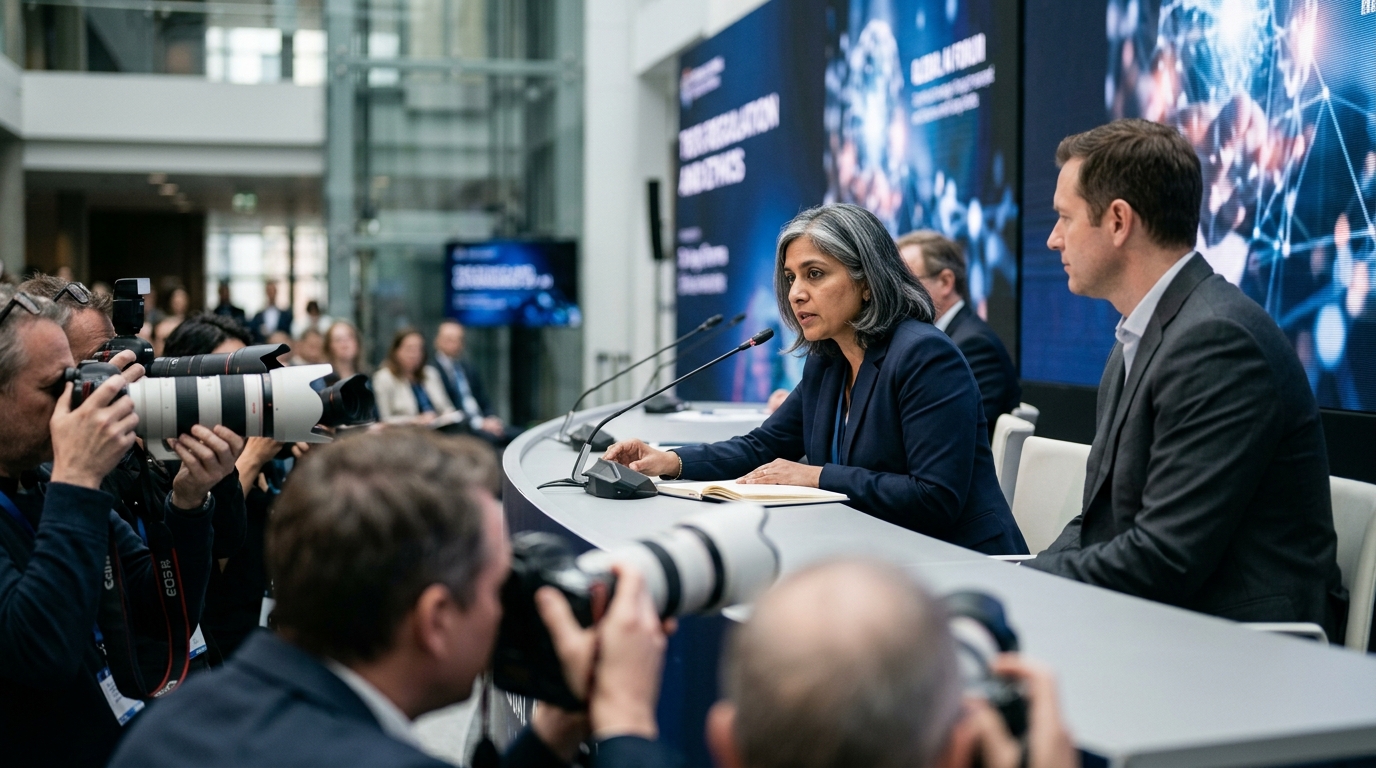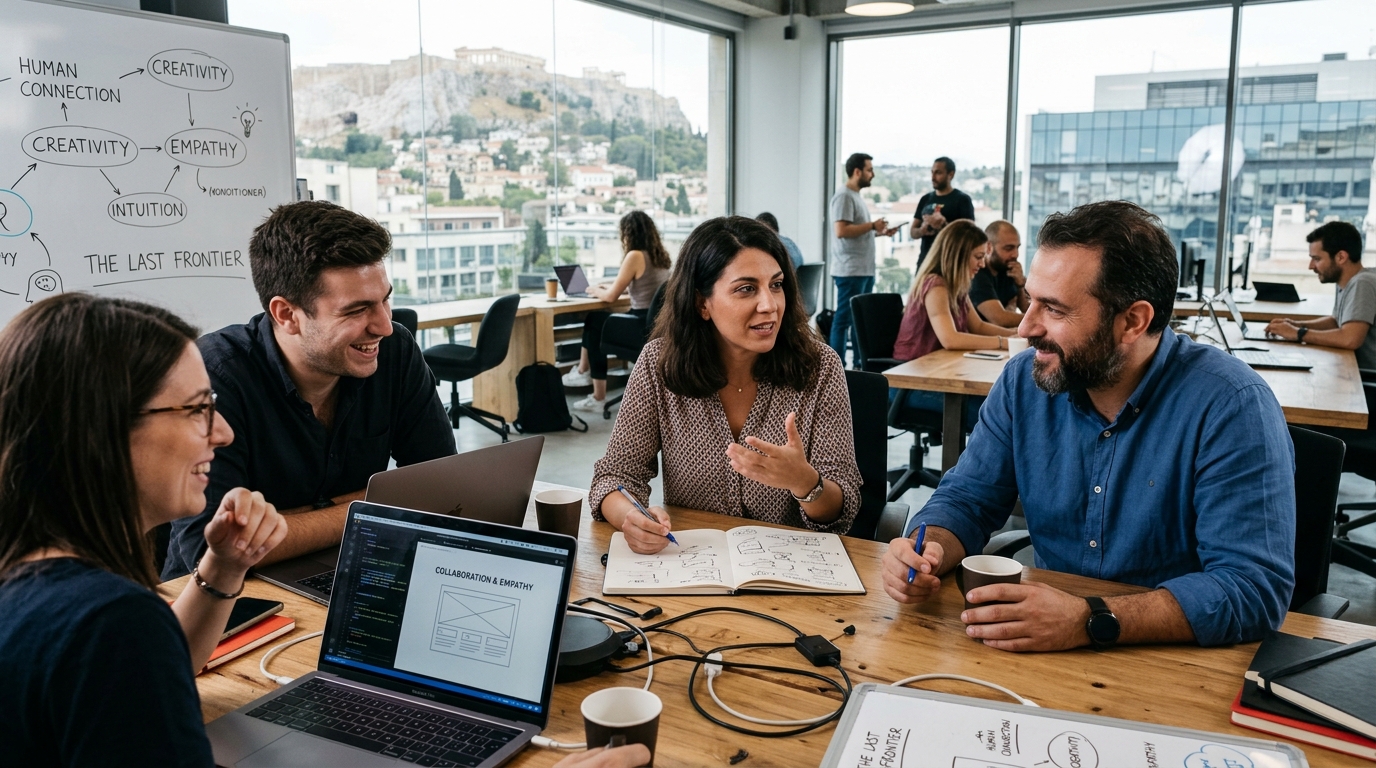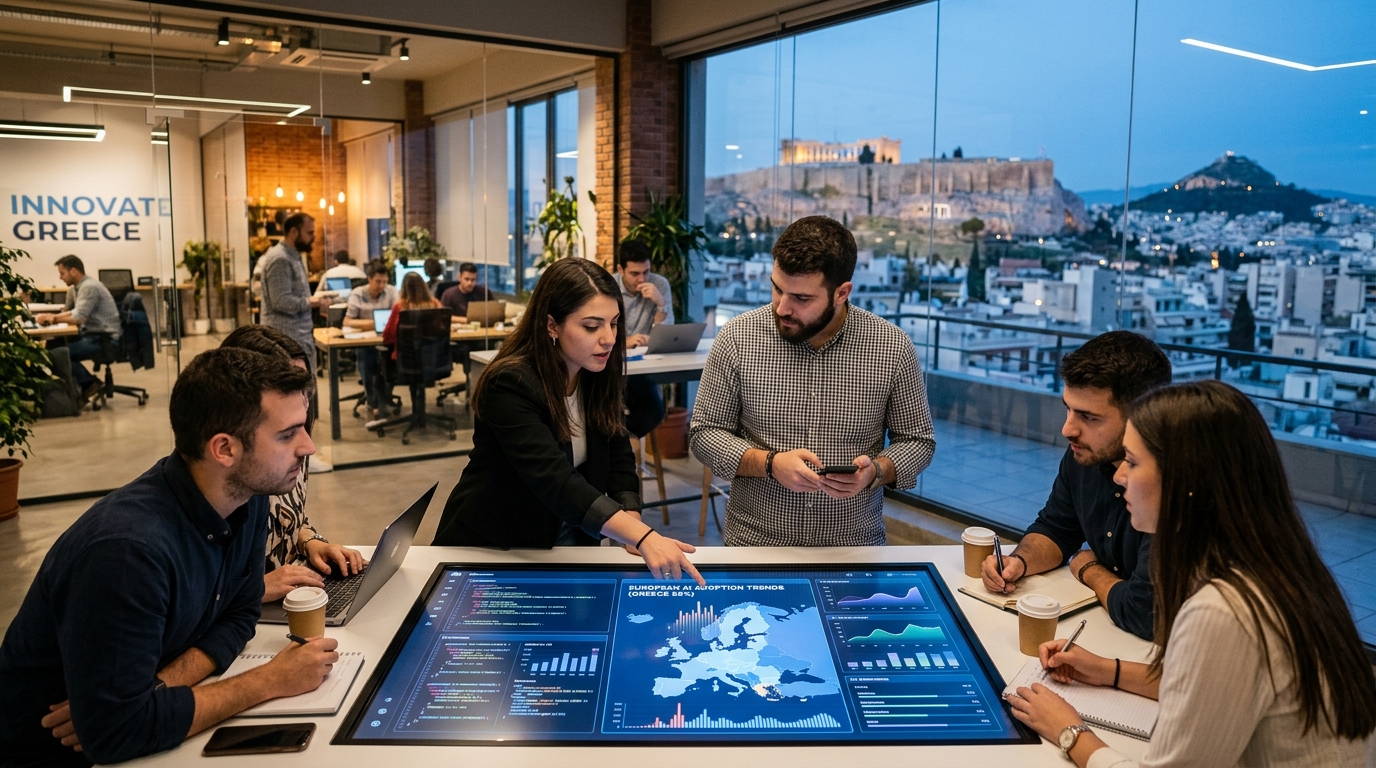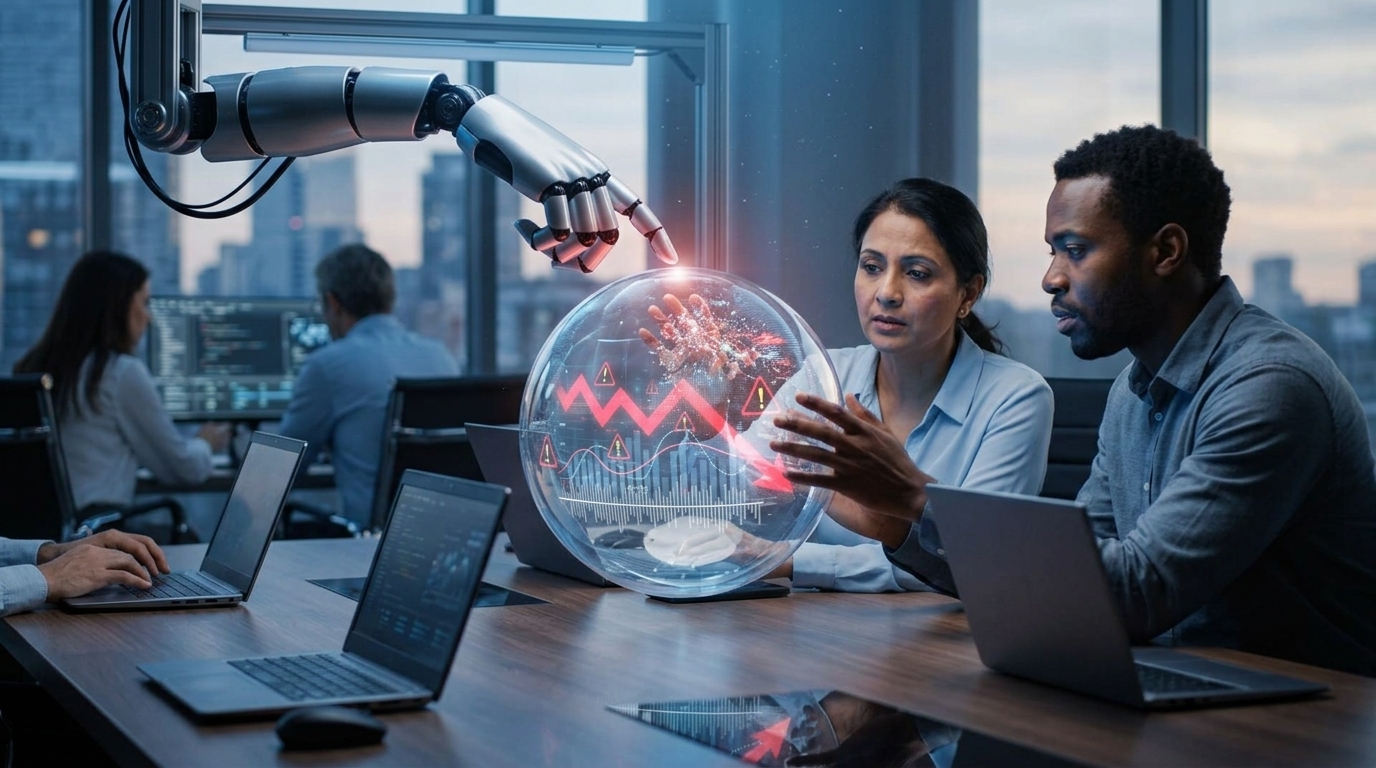
In a world saturated with algorithms capable of writing code, composing essays, and diagnosing diseases with precision that often eclipses human ability, the question of professional survival is no longer hypothetical. It is existential. As we navigate the summer of 2026, Artificial Intelligence (AI) is no longer a promise of the future; it is the backbone of the global economy. Yet, within this digital ecosystem, a 24-year-old Gen Z entrepreneur is highlighting a truth that many technocrats tended to overlook: the irreplaceable value of emotional intelligence and genuine human connection.
The Shift from Knowledge to Emotion
For decades, our educational systems and labor markets prioritized hard skills—mathematics, programming, data analysis. Today, these are the first skills to be "democratized" via AI. When anyone can access a world-class digital analyst on their smartphone, the possession of knowledge itself ceases to be a competitive advantage. Real value is shifting toward what machines, despite their sophisticated simulations, fail to experience: empathy.
The ability to "read" a room, to understand the unspoken anxieties of a client, to inspire a team in crisis, and to build relationships of trust based not on data but on shared values, is the new currency of the economy. As analysts point out, AI can mimic sympathy, but it cannot feel compassion. This subtle yet vast difference will determine who leads in the coming years.
Gen Z and the Authenticity Revolution
It is telling that this insight comes from Generation Z, a cohort that grew up behind screens. Perhaps because of this constant exposure, young professionals understand the fatigue of digital interaction better than anyone. The pivot toward "human skills" is not a romantic regression but a strategic survival choice. In entrepreneurship, the ability to network and build a personal brand based on authenticity is now more critical than technical expertise.
"AI can optimize a process, but only a human can give meaning to its purpose," industry insiders suggest.
The businesses that survive in the 21st century will not be those with the best algorithms—as those will be accessible to everyone—but those that manage to maintain the human touch in an impersonal digital marketplace. Leadership is transforming from resource management to the management of emotions and visions.
The Paradox of Automation
A paradox is unfolding: the more our work is automated, the more valuable the non-automatable becomes. In the past, manual labor was replaced by machines. Then, computational labor was replaced by computers. Now, cognitive labor is being replaced by AI. What remains at the core of human existence is the capacity for ethical judgment, creative intuition, and deep interpersonal communication.
In economies like Greece, which traditionally rely on tourism and services, this message resonates deeply. "Hospitality" is not a series of tasks a robot can perform; it is an emotional exchange. Investing in so-called "soft skills" is no longer optional for executives—it is the only fortress against total displacement.
Conclusion: The Human at the Center
Artificial Intelligence will not replace humans, but humans who use AI and possess high emotional intelligence will replace those who do not. The future of work is not a battle of man vs. machine, but a partnership where the machine handles the "what" and the "how," leaving the "why" to the human. The skill of connection is the bridge to a world where technology serves humanity, rather than the other way around.