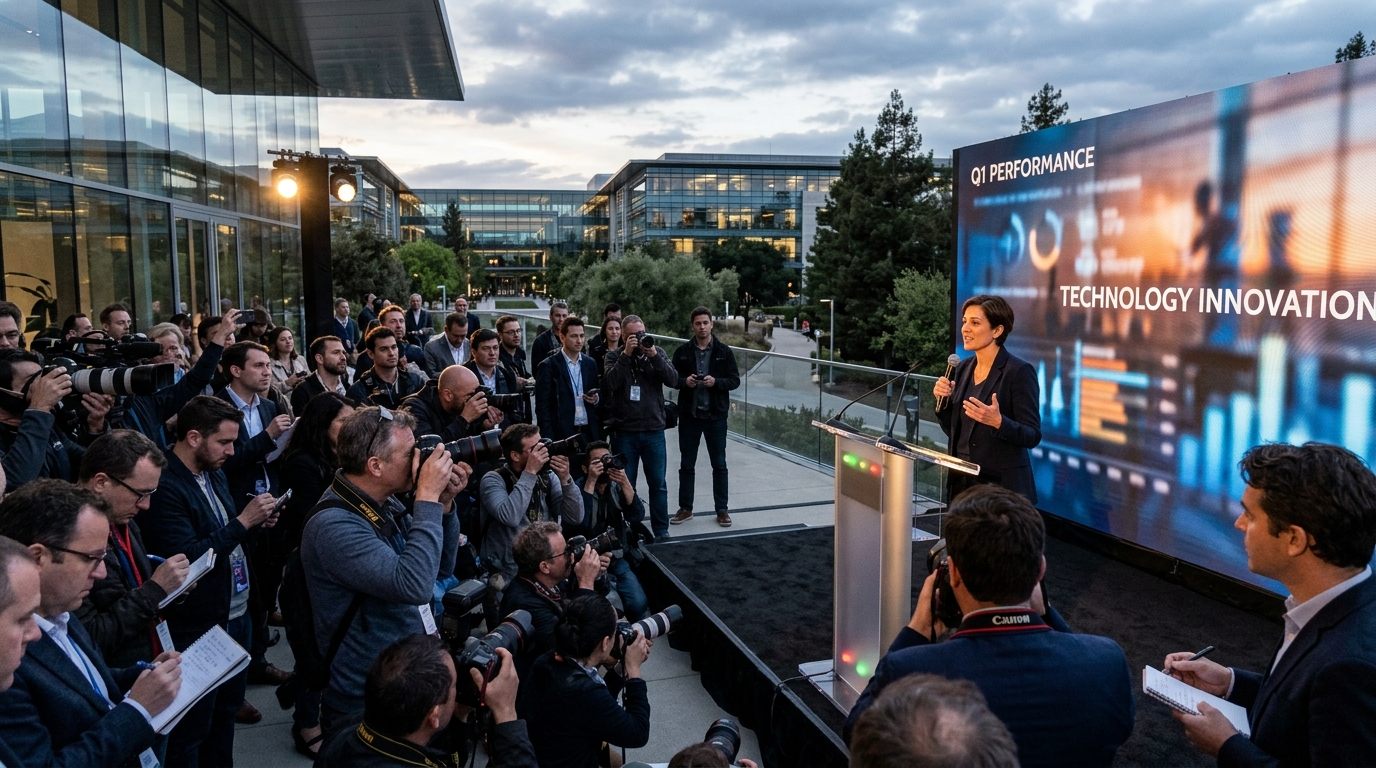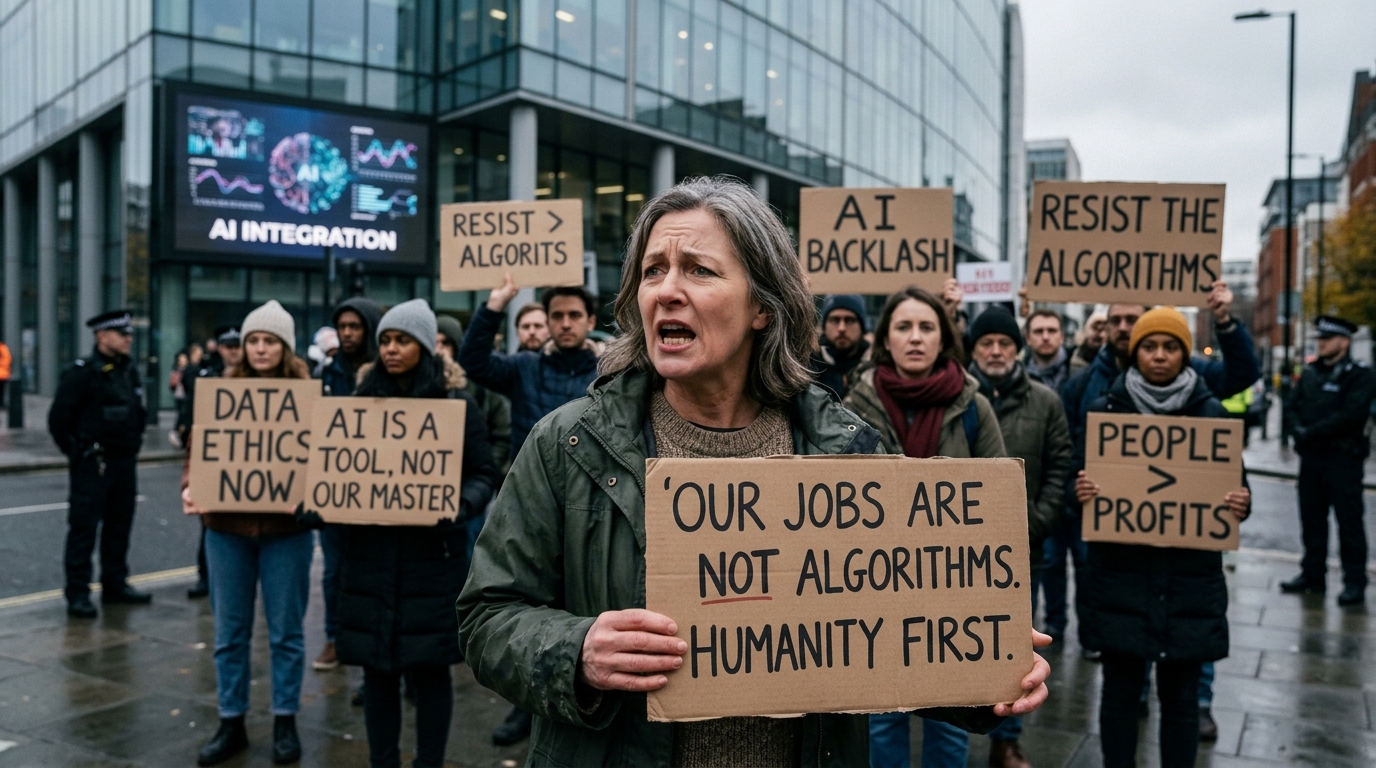
The year 2026 finds humanity at a critical crossroads. The era of unbridled enthusiasm and the uncritical adoption of large language models has given way to a period of reflection and, in many cases, justified apprehension. Artificial Intelligence (AI) is no longer a promise of the future but an omnipresent force shaping the news we consume, banking decisions regarding our loans, and even our medical diagnoses. However, this power remains largely unchecked, operating within "black boxes" that even their creators struggle to fully interpret.
The need to "tame" AI does not stem from a technophobic disposition but from the imperative to ensure that technology remains at the service of humanity, rather than the other way around. History has taught us that every major technological revolution—from the steam engine to nuclear power—required a framework of rules to prevent it from becoming a threat to social cohesion. In the case of AI, the risks are more insidious, as they concern the very structure of thought and decision-making.
The Transparency Deficit and the Accountability Gap
One of the central arguments for strict regulation is the lack of transparency in algorithms. When an AI system rejects a job application or insurance coverage, the citizen has the right to know "why." Without explainability, justice becomes unattainable. Algorithms often reproduce and amplify biases present in their training data, leading to automated discrimination against minorities or social groups.
Furthermore, the issue of legal liability is paramount. Who is responsible when an autonomous system causes harm? The developer, the company that deployed it, or the user? The absence of a clear legal framework creates a vacuum where big tech companies can evade the consequences of their actions, shifting the risk onto society. Controlling AI means, first and foremost, assigning responsibility to human subjects.
The Threat to Democracy and Public Discourse
Perhaps the most urgent need for taming AI concerns the protection of democratic institutions. We live in an age where deepfakes and AI-generated disinformation can distort elections and polarize public opinion to an unprecedented degree. The ability of AI to mass-produce persuasive but false content threatens to erode the concept of shared truth, which is the foundation of any functioning society.
"If we cannot distinguish the real from the fabricated, then the very concept of free will is called into question," note digital ethics experts.
Regulation must include the mandatory labeling of AI-generated content and the creation of robust oversight mechanisms to prevent user manipulation through algorithmic psychological profiling. Freedom of speech should not be confused with the freedom of bots to flood the public square.
Economic Inequality and the Erosion of Labor
On an economic level, AI threatens to widen the gap between those who own the technology and those who are merely subject to it. Automation is no longer limited to manual labor but extends to highly skilled professions, from law to software engineering. Without central planning to redistribute the benefits of increased productivity, we risk heading toward a two-tier society with a mass of "superfluous" workers.
Taming AI, therefore, requires a new social contract. We must invest in workforce retraining and consider new models of social protection, such as universal basic income, to ensure that technological progress does not turn into social catastrophe. Technology should complement human creativity, not replace it for the sake of short-term profit.
Conclusion: Towards a Digital Humanism
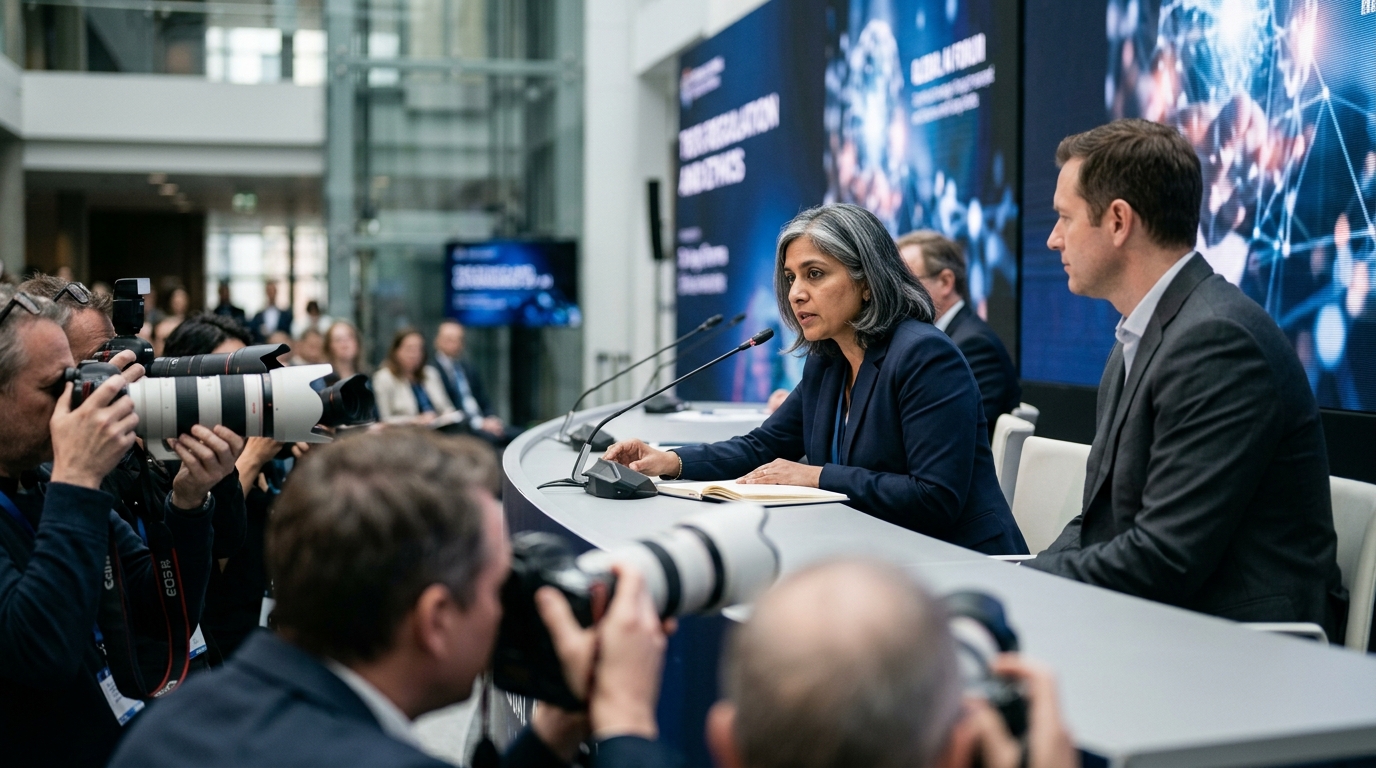
Ultimately, the struggle to control Artificial Intelligence is a struggle to define what it means to be human in the 21st century. It is not enough to build "smart" machines; we must build wise societies. The European Union has taken the first step with the AI Act, but the effort must be global and continuous. AI is a mirror of ourselves: if we leave it wild, it will reflect our worst instincts. If we tame it, it can become the tool for a new era of prosperity and discovery.