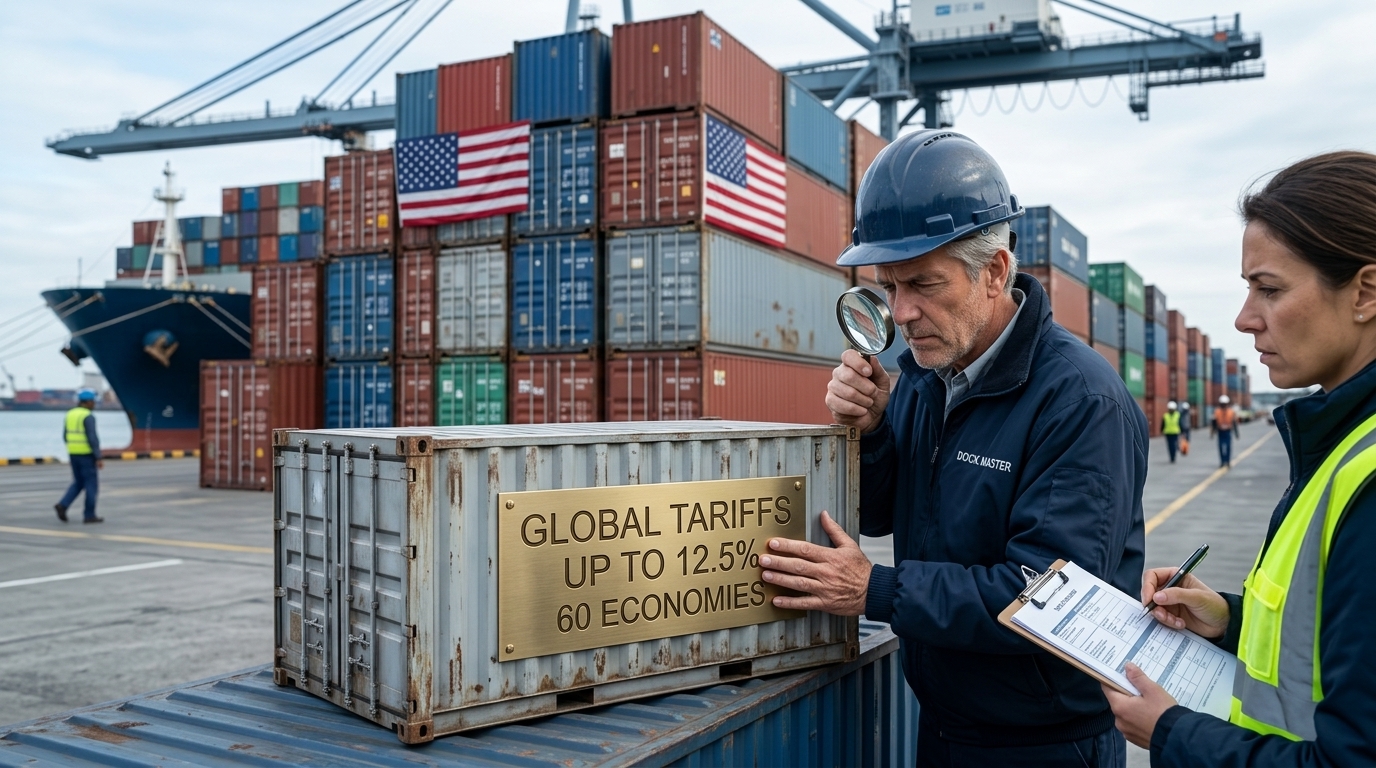
In a move that threatens to completely redraw the map of global commerce, the United States government under Donald Trump has proposed the imposition of sweeping tariffs of up to 12.5% on imports from 60 different economies. The official justification put forward by the White House focuses on the failure of these nations to curb the trade of goods produced through forced labor—a move many analysts view as the "moral packaging" of a deeply protectionist economic policy.
Morality as a Tool of Economic Warfare
This proposal is not a bolt from the blue for those who have been following Washington's rhetoric over the past year. However, the scale and targeting are sending shockwaves through international markets. Citing human rights violations and the exploitation of workers in regions ranging from Southeast Asia to Sub-Saharan Africa, the American administration is attempting to use customs policy as a lever of pressure. According to the report accompanying the proposal, the countries on the list have not shown "sufficient progress" in implementing transparent supply chains, allowing products "tainted" by modern slavery to enter the U.S. market at prices that undercut domestic production.
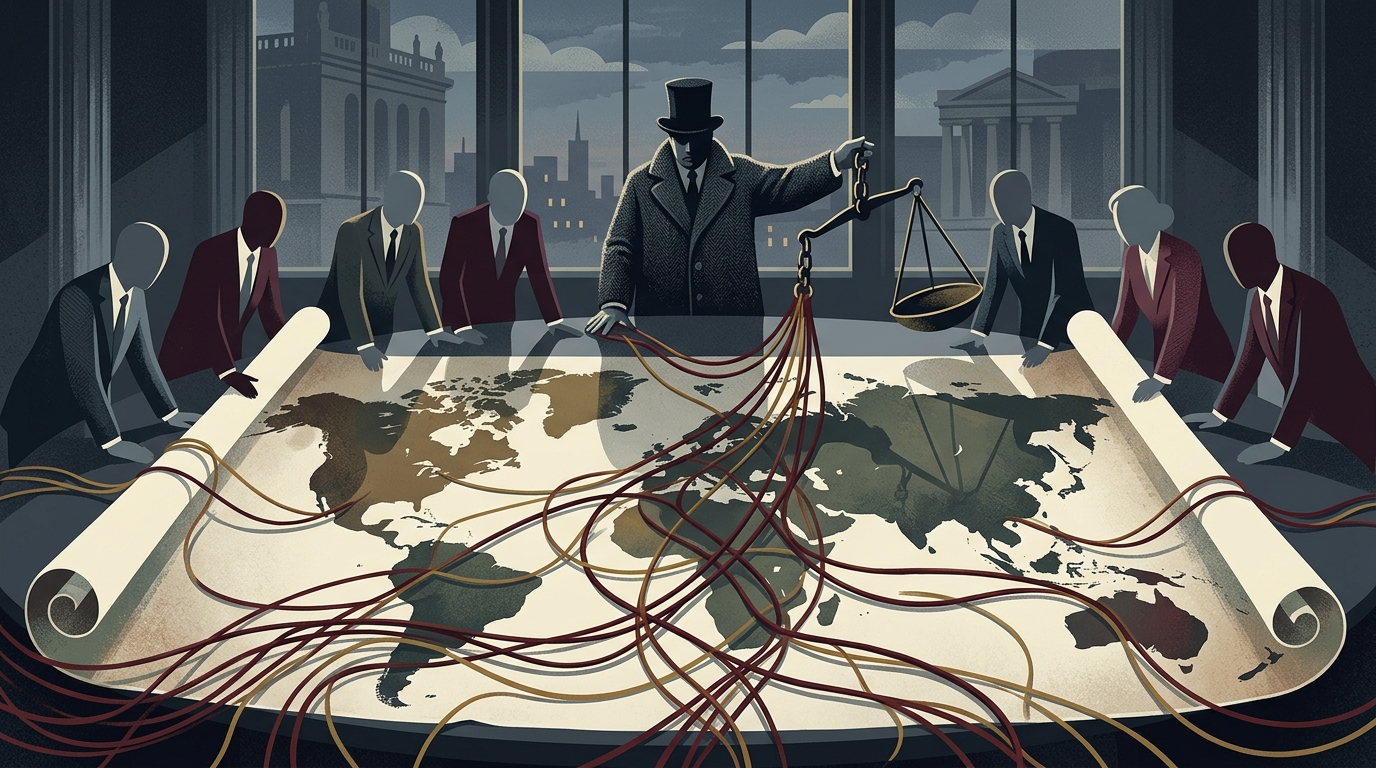
This strategy is twofold. On one hand, it seeks to satisfy a domestic audience demanding protection for American jobs against low-cost "unfair competition." On the other, it creates a new regulatory framework where access to American consumer power is conditional upon full compliance with standards set unilaterally by Washington. This "moralization" of trade allows the government to bypass traditional World Trade Organization (WTO) rules by citing national security and public morals.
Impact on Global Supply Chains
The imposition of 12.5% tariffs is not a negligible burden. For many developing economies whose growth models rely on exports to the U.S., such a tariff could prove catastrophic. Sectors such as textiles, food processing, and electronics assembly are in the eye of the storm. Multinational corporations, already attempting to decouple from China through the "China Plus One" strategy, now face the prospect that their alternative destinations—such as Vietnam, India, or Malaysia—could become equally expensive due to the new duties.
- Inflationary Pressures: The increase in import costs will inevitably be passed on to the American consumer, threatening to reignite inflation.
- Retaliation: It is almost certain that affected countries will respond with their own tariffs on American products, particularly in the agricultural sector.
- Geopolitical Realignment: Countries that feel excluded from the U.S. market may turn more decisively toward the BRICS economic bloc or China.
Washington appears to be betting on the fact that the U.S. market remains too attractive for partners to abandon, calculating that they will prefer compliance over conflict. However, the history of trade wars teaches that predictions of "easy wins" are rarely realized.
Europe on a Tightrope
While the list of 60 economies primarily focuses on the developing world, the European Union is watching developments with bated breath. The use of forced labor as a legal basis for tariffs sets a precedent that could easily be extended to other issues, such as environmental regulations or state subsidies. Brussels must decide whether to align with Washington by adopting similarly strict measures or to maintain its role as a mediator and defender of multilateral trade.
"This is not just about trade; it is about redefining global dominance through the control of production ethics," says a senior diplomat in Brussels.
In conclusion, the 12.5% tariff proposal signals the end of the era of globalization as we knew it. Washington is no longer just seeking to reduce the trade deficit but to create a controlled trade ecosystem where the rules are defined exclusively by American power. Whether this will lead to a fairer global market or a fragmented world of permanent economic instability remains to be seen.