The European Union stands at a critical juncture in its modern history: the need to remain a global leader in the fight against climate change while ensuring the survival of its industrial base. A recent report from the European Commission brings a somber reality to light, warning that up to 560,000 jobs are at immediate risk due to high energy costs and inevitable industrial restructuring.
The Energy Cost Trap
The problem is not new, but its intensity has reached alarming proportions. Following the energy crisis triggered by the war in Ukraine, Europe managed to largely decouple itself from Russian natural gas, but the price was steep. Energy prices in the EU remain consistently higher than those of its primary competitors, such as the United States and China. For energy-intensive industries—steel, chemicals, cement, and glass—this cost differential is often the line between profitability and closure.
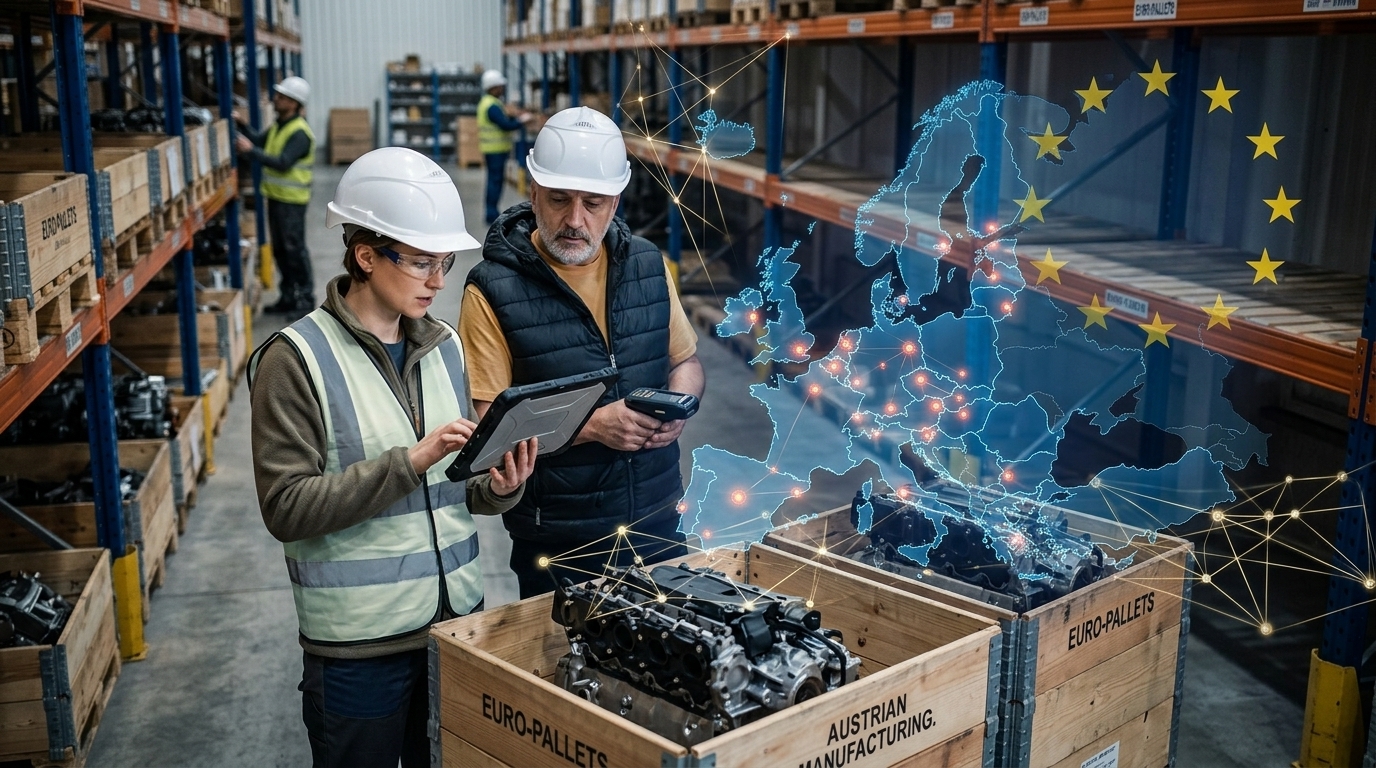
The Commission points out that "deindustrialization" is no longer a theoretical fear but an ongoing process. Many companies are choosing to relocate production outside of Europe to regions where operating costs are lower and environmental regulations are less stringent. This phenomenon, known as "carbon leakage," not only harms the European economy but also undermines global climate efforts, as production simply shifts to more polluting jurisdictions.
The Green Transition: Opportunity or Threat?
The European Green Deal is the EU's flagship plan to achieve climate neutrality by 2050. However, the transition to a net-zero economy requires a radical shift in how we produce and consume. While renewable energy sources promise cheaper power in the long run, the adjustment period is proving painful.
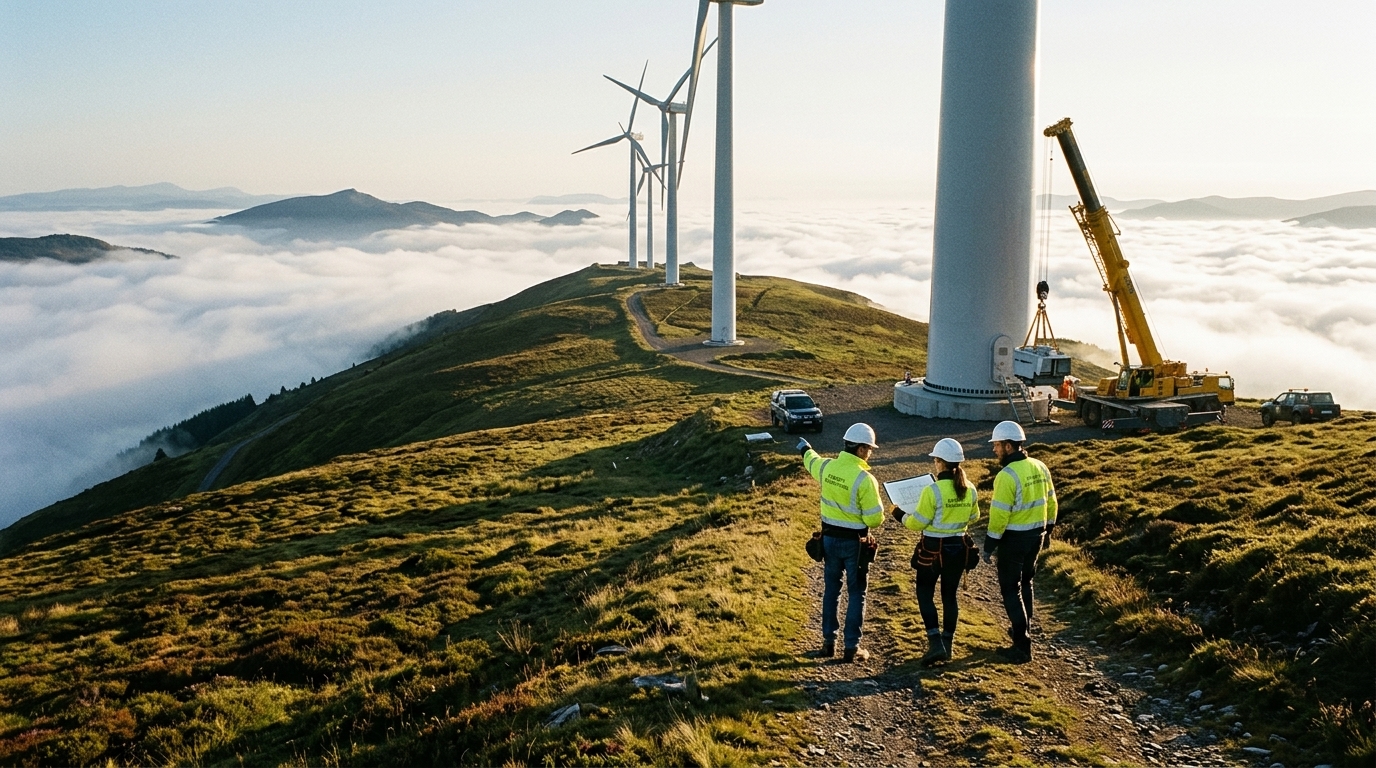
According to the analysis, the 560,000 jobs at risk are primarily in sectors reliant on traditional energy forms. The challenge is twofold: on one hand, the need for massive investment in new technologies, and on the other, the need for workforce reskilling. A pressing question is whether the new jobs created in the "green economy"—such as wind turbine manufacturing or solar panel installation—can absorb the workers losing their jobs in steel mills or refineries.
- Energy-intensive sectors employ millions in the EU, often in regions with limited alternative employment options.
- A lack of specialized skills for the new economy remains a significant bottleneck.
- Competition from the US, through the Inflation Reduction Act (IRA), is drawing European capital across the Atlantic.
Social and Political Implications
The loss of jobs on such a scale is not just an economic figure; it is a social time bomb. Historically, industrial decline has led to social marginalization and political radicalization. The Commission acknowledges that without a robust "Just Transition Mechanism," public support for climate policies risks collapsing.
"The transition will either be just, or it will not happen at all," Brussels officials often state.
However, the funding allocated so far appears to fall short of real needs. The necessity for a new "Industrial Deal" to accompany the Green Deal is becoming increasingly urgent. This means less bureaucracy, faster permitting for energy projects, and, most importantly, incentives to keep production on European soil.
Conclusion: The Hour of Decision
The warning regarding 560,000 jobs must serve as a wake-up call. Europe cannot afford to become an "industrial museum." The EU's strategic autonomy depends on its ability to produce its own materials and products. The balance between environmental goals and economic viability is delicate, and time is running out. If the EU fails to protect its workers and businesses during this transition, the price will not only be economic but deeply political, shaking the foundations of European integration itself.