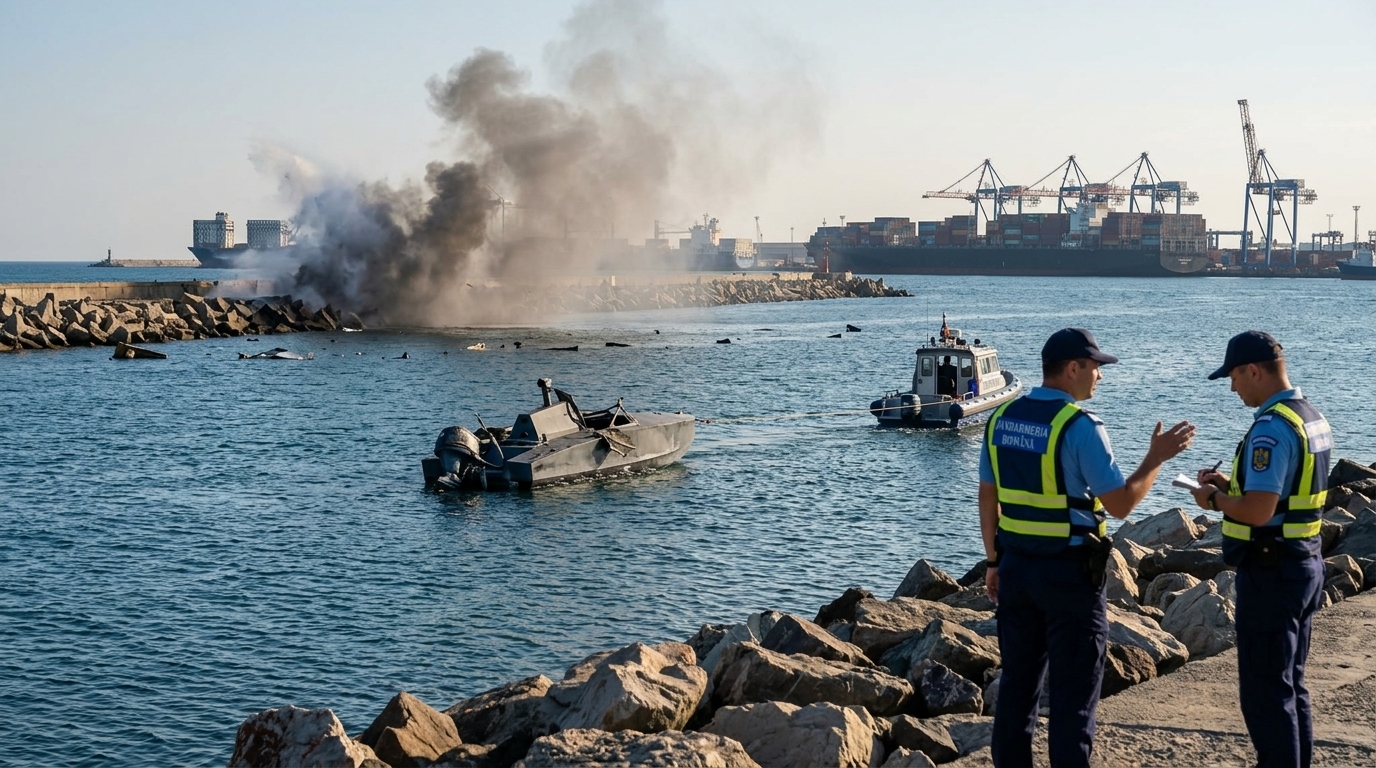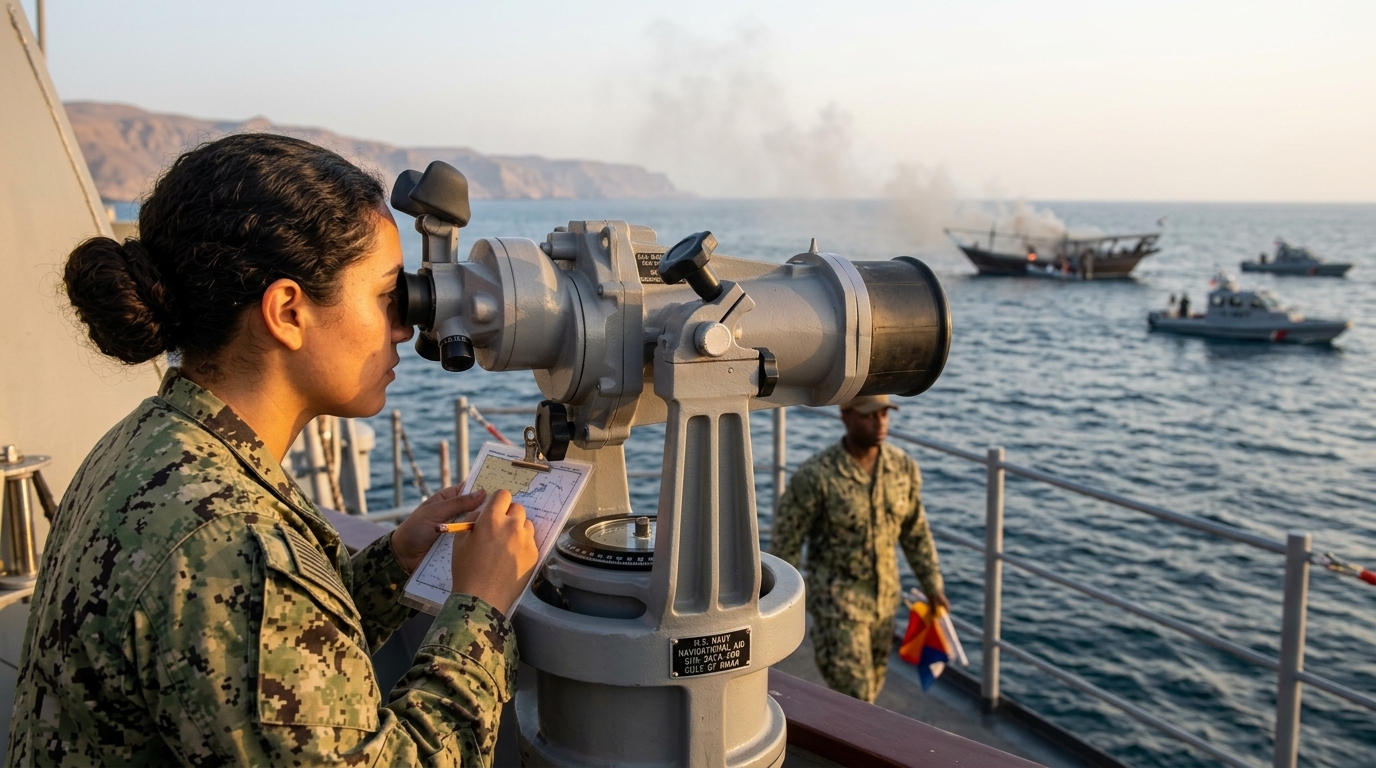
In a dramatic escalation of tensions in the Middle East, United States military forces launched a surgical precision strike against a commercial vessel attempting to enter an Iranian port in defiance of international sanctions. The incident, occurring in the strategic waters of the Gulf of Oman, represents the most direct U.S. kinetic action against a blockade runner in recent years, highlighting Washington's pivot from passive monitoring to active interdiction.
According to official Pentagon sources, the vessel—whose identity and flag state have not yet been fully disclosed—ignored more than 20 explicit warnings from U.S. naval assets and surveillance aircraft. The final decision to engage was made as the ship entered a critical approach zone toward the Iranian coast, reportedly carrying high-tech components destined for Tehran’s ballistic missile program, according to intelligence briefings.
The Surgical Precision of the Strike
What distinguishes this incident is not merely its political gravity, but its technical execution. The missile, reportedly launched from an unmanned aerial vehicle (UAV) or a surface combatant utilizing advanced AI-driven targeting systems, struck the vessel’s engine room directly. The objective was not to sink the ship—which could have triggered an environmental disaster or significant loss of life—but to achieve total immobilization.
"Using kinetic force against an engine room is a clear message: we can stop you without sinking you," commented a senior defense analyst. This choice of target reflects a new doctrine in maritime crisis management, where technology enables "low-casualty" interventions that leave a vessel dead in the water and at the mercy of international forces. Currently, the ship remains adrift in international waters, with U.S. forces maintaining a close watch but refraining from boarding or seizing the deck.
The Geopolitical Chessboard and Tehran's Response
This U.S. move comes at a time when diplomatic channels with Iran appear narrower than ever. The blockade, enforced to curtail the flow of dual-use technology and armaments, has drawn the ire of Tehran, which decries the action as "piracy under the guise of law." While Tehran has yet to respond militarily, historical patterns suggest that such incidents are often followed by "asymmetric" retributions, such as the harassment of commercial tankers in the Strait of Hormuz.
Analysts suggest that Washington is testing Iran's threshold. By disabling a ship's propulsion, the U.S. demonstrates both the intelligence superiority to know the cargo and the technical capability to halt it with minimal collateral damage. However, this strategy is fraught with risk. Should Iran choose to escalate, the Gulf of Oman could rapidly transform into a theater of conflict, threatening the flow of approximately 20% of the world's oil supply.
Legal and Ethical Implications
From a legal standpoint, this action occupies a gray zone of international maritime law. While the U.S. invokes the right to self-defense and the enforcement of UN resolutions (or its own unilateral sanctions), a direct attack on a commercial vessel in international waters is a significant move. The fact that 20 warnings preceded the strike is being used by the State Department as evidence of "restraint" and the "legality" of the operation.
The international community is watching with bated breath. U.S. allies in the region, such as Saudi Arabia and the United Arab Emirates, while concerned about the safety of their own exports, generally welcome the show of force against Iranian regional ambitions. Conversely, China and Russia are expected to condemn the action as a violation of the freedom of navigation, further complicating the diplomatic landscape at the United Nations.
Conclusion: A New Normal?
The strike on the engine room in the Gulf of Oman may be the first page of a new chapter in naval dominance. In the age of artificial intelligence and precision munitions, the war of sanctions is no longer fought solely on paper or through financial freezes, but through "surgical" field interventions. The remaining question is whether this tactic will serve as an effective deterrent or if it will be the spark for a broader conflagration that no party truly desires.