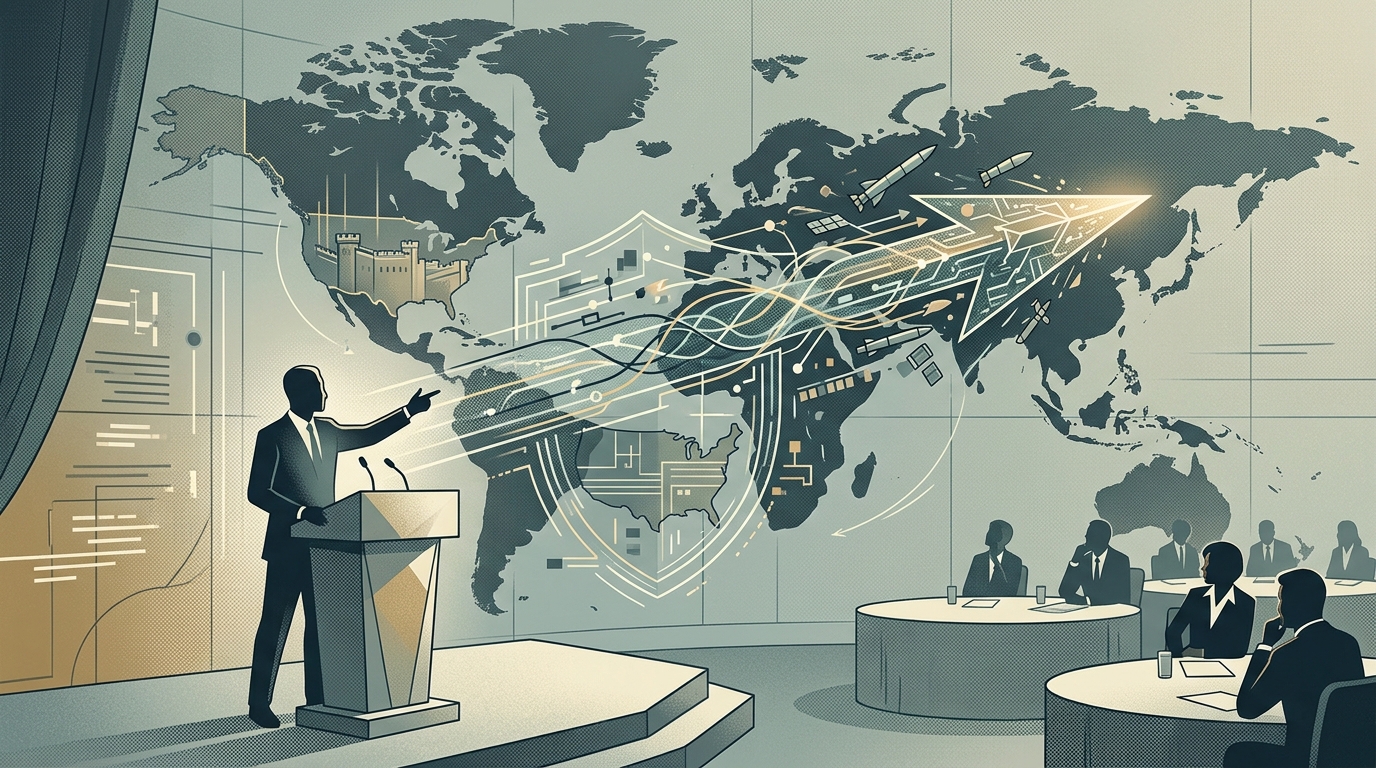
The era when military conflicts were confined to geographical borders and conventional weapons is officially over. Today, the front line is found on the screens of operation centers and in the software codes that control a nation's most vital infrastructure. The recent escalation of the cyber-confrontation between the US and Iran, centered on American fuel infrastructure, serves as a grim reminder of the fragility of the modern industrial world.
Digital Infiltration at the Pumps
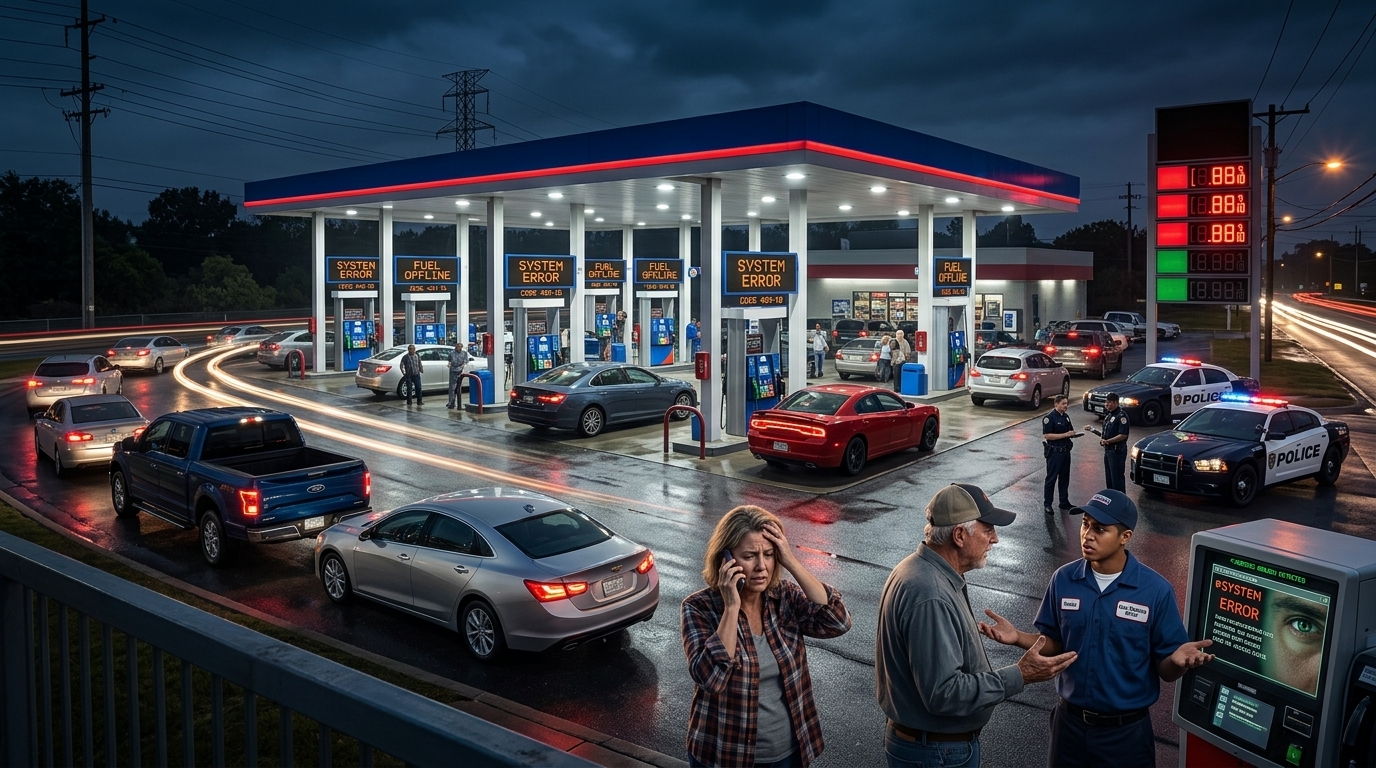
According to reports from US intelligence agencies and private cybersecurity firms, hacker groups linked to Iran's Revolutionary Guard Corps (IRGC) have launched a series of targeted attacks against control systems at gas stations and storage facilities across the United States. The focus of the attack is not the theft of credit card data, but rather the control of Automated Tank Gauges (ATGs).
These systems are critical for gas station operations, as they monitor fuel levels, detect leaks, and regulate supply. A successful breach allows attackers to manipulate data, showing tanks as empty when they are full, or vice versa, causing artificial shortages and consumer panic. In the worst-case scenario, tampering with safety valves could lead to physical destruction or environmental accidents.
Geopolitical Chess and Gray Zone Strategy
For Tehran, cyber warfare is the perfect tool for an asymmetric response to Western economic sanctions. Iran, having suffered iconic attacks in the past like Stuxnet—which destroyed its nuclear centrifuges—has invested billions in developing its own cyber capabilities. The targeting of American fuel is no coincidence. It is a response to the pressure on the Iranian economy, sending a message that if Iran cannot export its oil freely, then the US will not enjoy energy tranquility either.
These types of operations belong to what is known as "Gray Zone warfare"—actions that fall below the threshold of a formal declaration of war but cause significant attrition to the adversary. The difficulty of immediate attribution allows Iran to maintain "plausible deniability" while simultaneously eroding the trust of American citizens in state infrastructure.
Economic Shockwaves and Political Costs
Energy markets are extremely sensitive to psychology. Even the suspicion of a glitch in the fuel supply chain can lead to an immediate spike in futures prices. For the White House, this is a domestic policy nightmare. With gas prices traditionally serving as the "barometer" of any President's popularity, any artificial shortage or price hike due to a cyberattack translates directly into political pressure.
- Supply Disruption: The possibility of gas station closures due to "false alarms" in control systems.
- Inflationary Pressures: Increased transportation costs that drive up the prices of all goods.
- Security Costs: The need for expensive upgrades in thousands of small and medium-sized businesses operating gas stations.
The Defense Challenge: A Leaky Shield?
The problem with protecting fuel infrastructure lies in its fragmentation. While power grids are controlled by large organizations with robust cybersecurity departments, gas stations often belong to independent owners or small chains. Many of the ATG systems in use are legacy systems, haven't been updated for years, and remain connected to the internet with factory-default passwords.
"Cybersecurity is no longer an IT issue; it is a national security imperative that reaches every corner of our economy, from the Pentagon to the local gas pump."
CISA (the Cybersecurity and Infrastructure Security Agency) has issued urgent directives, but national implementation is slow. Washington faces a dilemma: respond with its own cyberattack on Iranian infrastructure, risking full-scale escalation, or stick to defensive measures that, for now, feel like trying to stop a waterfall with an umbrella. The battle for fuel is just the tip of the iceberg in an invisible war that has only just begun to show its teeth.