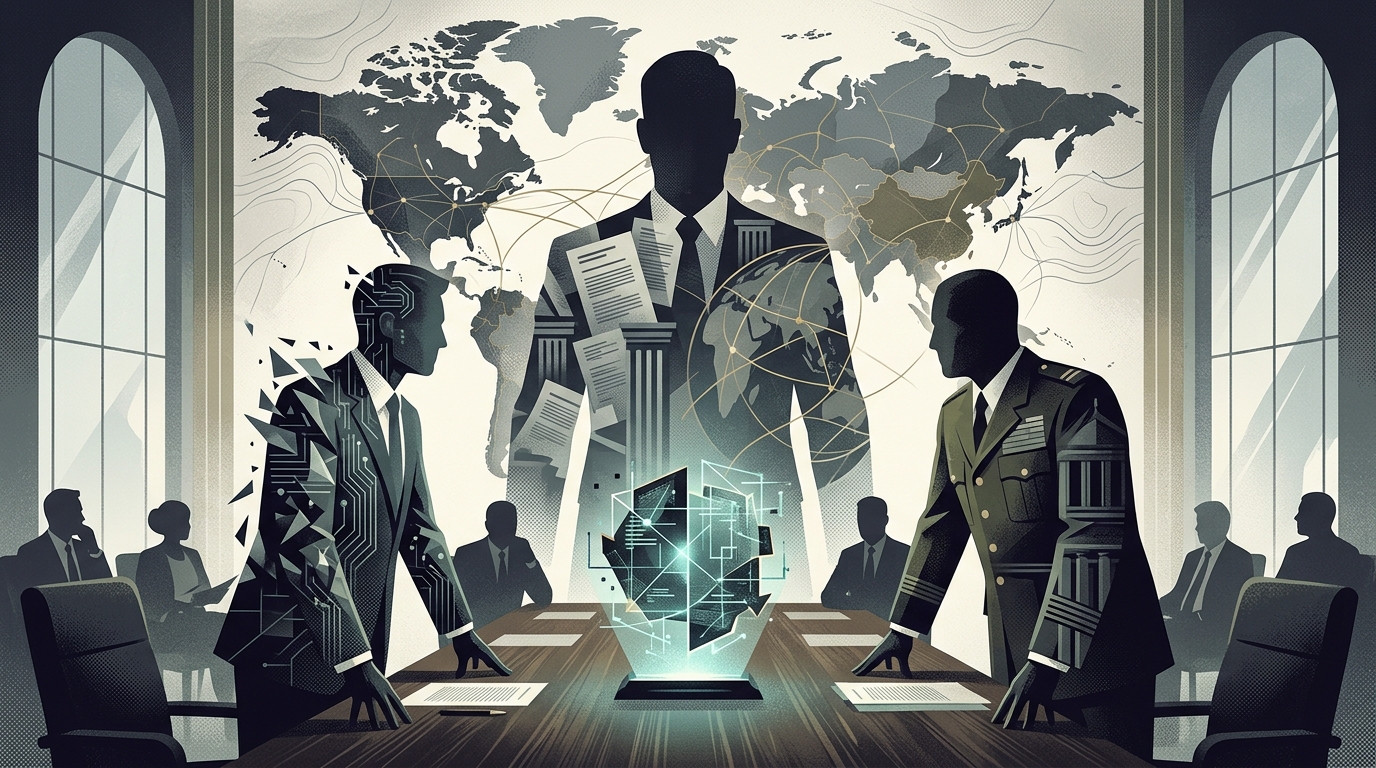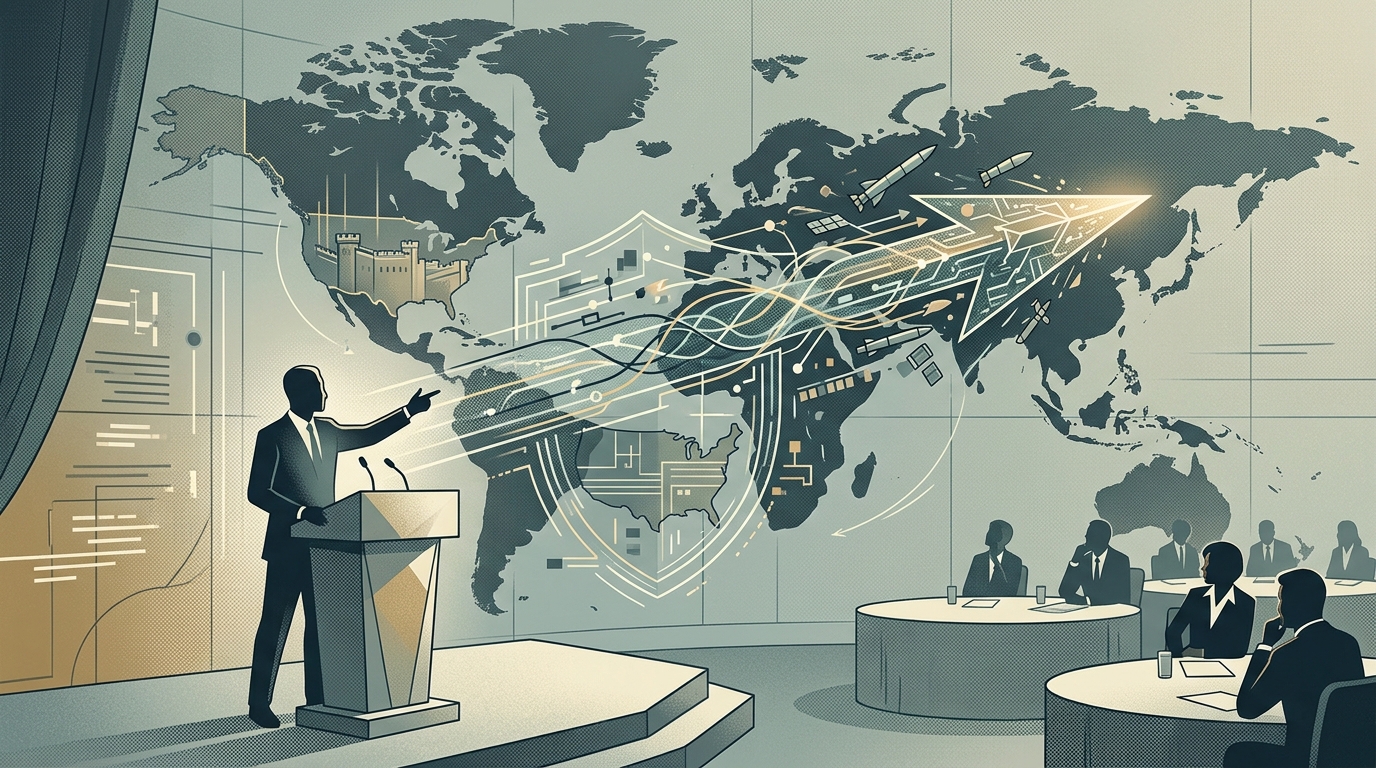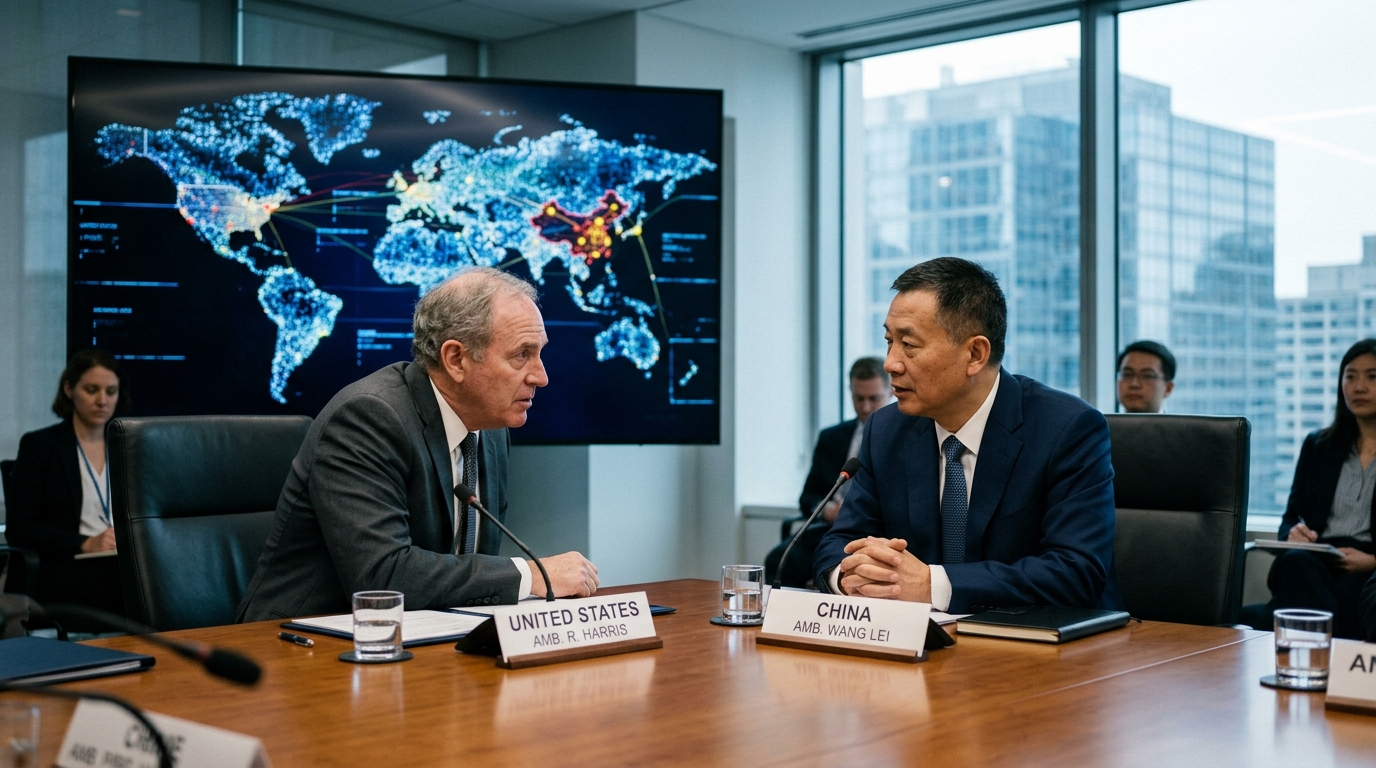
In the heart of a new, unmapped diplomatic era, the world's two superpowers, the United States and China, are engaged in a process reminiscent of the most critical moments of the Cold War. This time, however, the adversary is not just ideology or nuclear arsenals, but the unpredictable nature of Artificial Intelligence (AI). As the next summit approaches, reports indicate that both sides are working intensely to establish "crisis controls" to prevent accidental escalation triggered by autonomous systems or algorithmic errors.
The Strategy of the 'Digital Red Line'
The need for a communication channel regarding AI stems from the fear of the so-called "Flash War"—a lightning-fast conflict that begins and escalates in milliseconds, before humans can even comprehend what has occurred. At the center of these discussions is the commitment that decisions regarding the use of nuclear weapons must remain exclusively under human control (human-in-the-loop). What was once considered a science fiction scenario is now an urgent priority for the military leadership of both nations.
Proposed mechanisms include the creation of a "digital red line," similar to the hotline that connected Washington and Moscow following the Cuban Missile Crisis. This new line would not only serve political communication but would allow scientists and military analysts to exchange data in real-time to clarify algorithmic anomalies that could be misinterpreted as hostile actions.
Autonomous Weapons and the Ethics of Power
One of the most thorny issues is the use of Lethal Autonomous Weapons Systems (LAWS). While both countries are investing billions in developing AI-driven drones and submersibles, there is a growing realization that a lack of rules of engagement poses a risk to everyone. Beijing, though traditionally more cautious regarding international inspections, seems to recognize that the instability caused by AI could undermine its internal security and economic growth.
Discussions also focus on algorithmic transparency. How can one side be certain that the other's AI is not programmed for a "first strike" in the event of a cyberattack? The answer may lie in shared testing protocols and risk assessment, although mutual distrust remains the greatest obstacle. Washington fears intellectual property theft, while Beijing fears the technological containment imposed by U.S. export restrictions on semiconductors.
The Geopolitics of Semiconductors and AI
No discussion of AI can occur without referencing its physical foundation: chips. The U.S. strategy to limit China's access to advanced semiconductors (such as those from Nvidia) forms the backdrop of these negotiations. China is using the need for global AI stability as leverage to ease these restrictions, arguing that "safe AI" requires access to the best possible technology.
On the other hand, the U.S. maintains that the responsible development of AI depends not on computational power, but on democratic standards and accountability. This values gap makes crisis control talks exceptionally difficult. Nevertheless, the mere existence of these talks is a positive step, suggesting that both sides understand that a war started by a code error will have no winner.
"In the age of algorithmic warfare, the greatest danger is not a calculated attack, but an uncalculated response to a ghost in the machine."
Conclusion: Governing the Ungovernable
The upcoming summit is not merely about trade or borders; it is about managing a force that could potentially outpace its creator. The success of these crisis controls will determine whether Artificial Intelligence will be the tool leading to a new era of prosperity or the fuse for a catastrophe that no one intended. As we move closer to a world where software makes life-and-death decisions, the diplomacy of the 21st century must be as fast and as sophisticated as the algorithms it seeks to govern.
- Maintaining human control over nuclear systems is the top priority.
- Creating "hotlines" for AI can prevent escalation from misunderstandings.
- The competition for semiconductors remains the central point of friction.
- The international community is pushing for a global ethical framework in military AI.