In an era where the geopolitical chessboard is shifting from traditional kinetic battlefields to the digital fabric of algorithms, the U.S. Department of the Air Force (DAF) has made a decisive move. The recent release of the "AI Workforce Strategy" is not merely an administrative update; it is a fundamental reimagining of how the world's premier air power perceives strength. As we navigate April 2026, the necessity for an "AI-ready" workforce has become existential for the national security of the United States.
The Shift from Pilot to Algorithmic Supervisor
The DAF's new strategy acknowledges that technology, no matter how sophisticated, remains inert without the right human capital. The plan focuses on cultivating a culture where every member of the Air Force and Space Force possesses a baseline of AI literacy, while an elite tier of specialists leads the development of bespoke tools. The objective is clear: integrating AI into every facet of operations, from mundane logistics to split-second decision-making in high-intensity combat environments.
According to DAF leadership, the challenge is as much bureaucratic as it is technical. Traditional military structures often clash with the agility required for software development. The new strategy promises to break these silos, creating new career paths for "digital warriors" and offering incentives that could rival those of Silicon Valley. However, the question remains: can the military provide the creative freedom that top-tier developers crave?
Geopolitical Competition: The China Factor
It is no secret that this mobilization is fueled by China's rapid advancements in military AI. Beijing has openly stated its intent to become the global leader in AI by 2030, and Washington can no longer afford complacency. Air superiority, which once depended solely on jet speed and radar range, is now dictated by the ability to process vast amounts of data in real-time. The DAF's strategy is a direct response to this shifting paradigm.
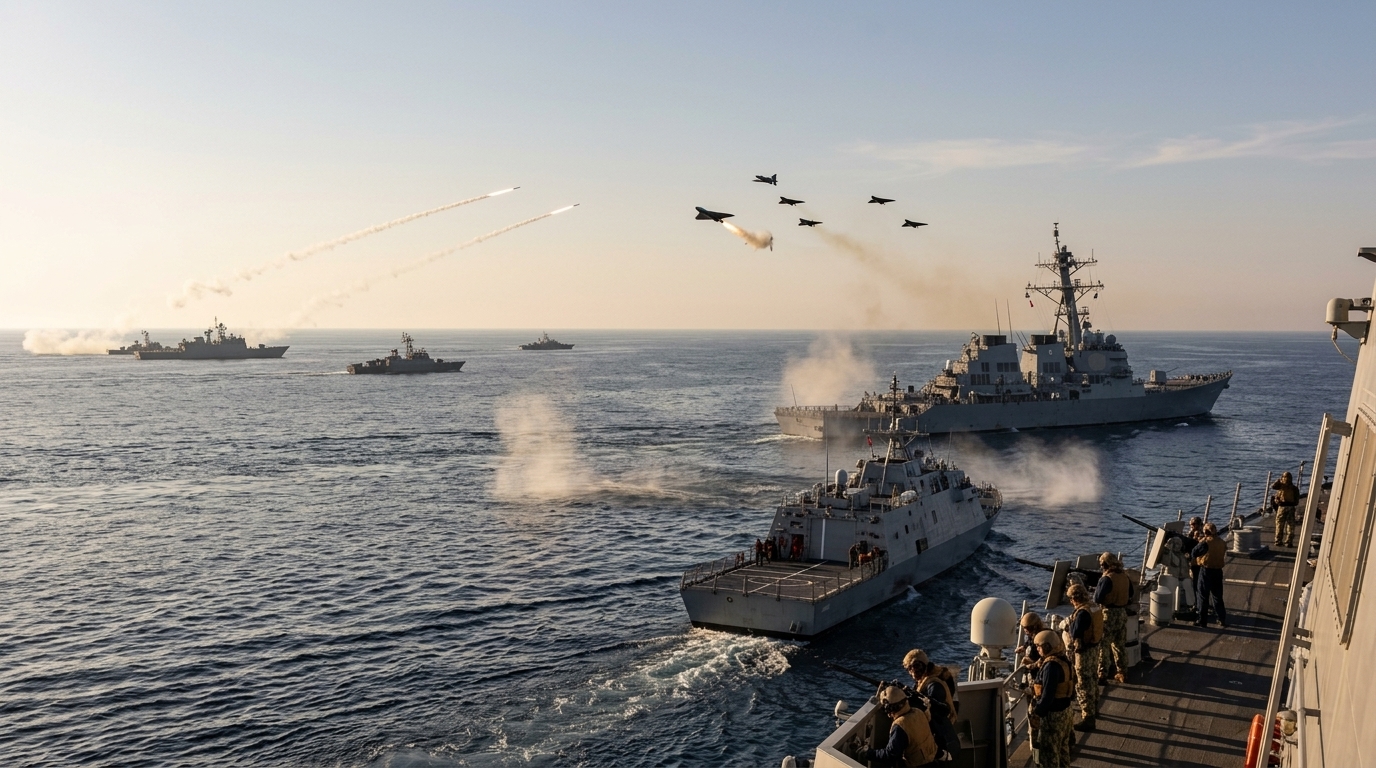
The strategy places significant emphasis on Collaborative Combat Aircraft (CCA) – autonomous drones designed to fly alongside manned fighters. For this ecosystem to function, a new generation of personnel is required—individuals who understand the capabilities and, more importantly, the limitations of machine learning. The geopolitical balance in the Indo-Pacific now hinges on who can faster train not just their algorithms, but the humans who oversee them.
Recruit, Train, Retain: The Three Pillars of Success
The DAF action plan is structured around three central pillars. First, comprehensive education across all ranks, from airmen to generals. Second, talent recruitment through innovative programs that bypass the sluggish hiring processes of the past. And third, retention, which is perhaps the most daunting challenge. The brain drain to the private sector is constant, and the DAF aims to counter this by offering access to unique datasets and mission-sets that do not exist in the commercial world.
- Establishment of specialized "AI Career Paths" for active-duty personnel.
- Partnerships with academic institutions for continuous professional education.
- Leveraging AI to automate routine tasks, allowing personnel to focus on high-level critical thinking.
Ultimately, the success of this strategy will be judged by the Air Force's ability to transform into a truly data-driven organization. Artificial intelligence is not just another weapon to be added to the arsenal; it is the operating system upon which future defense will be built. As analysts observe, the next major conflict may be won or lost not in the cockpit, but in the classroom and the coding lab.