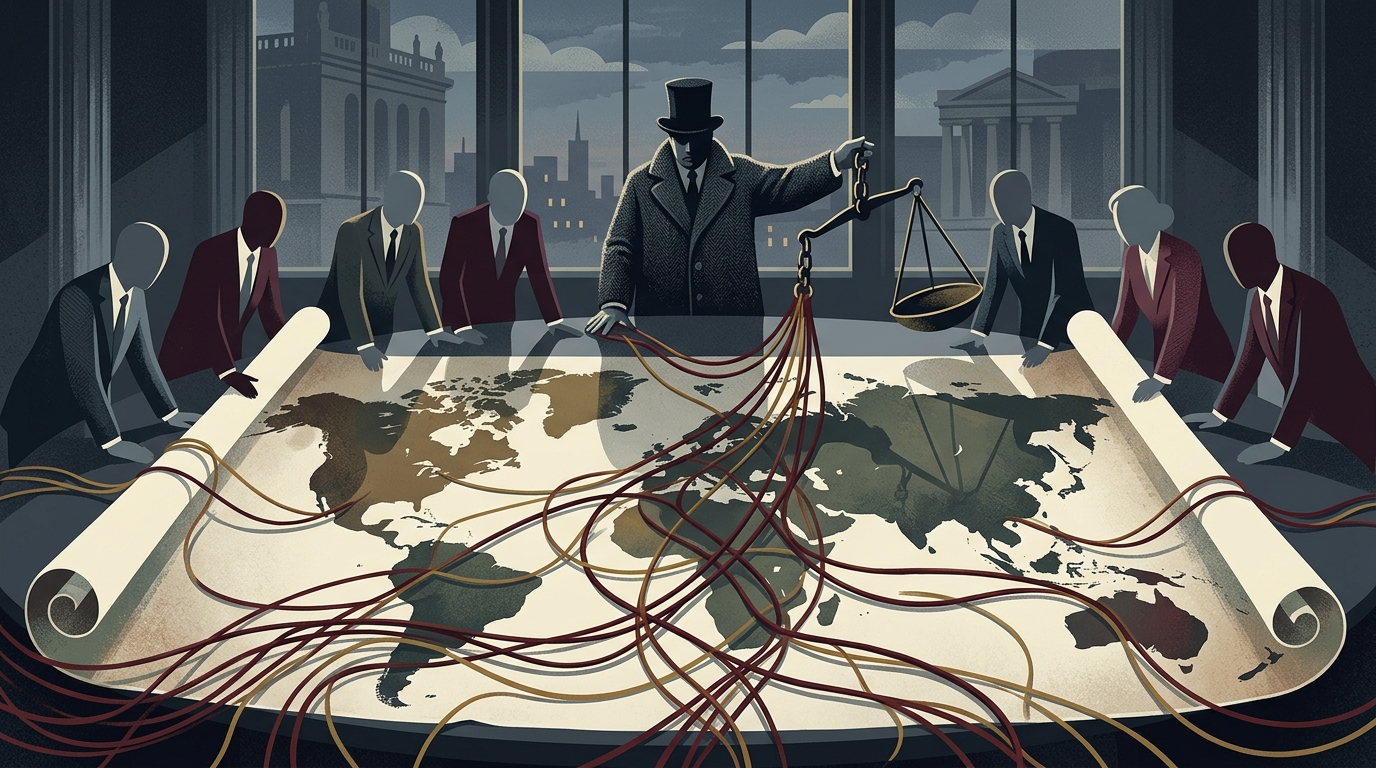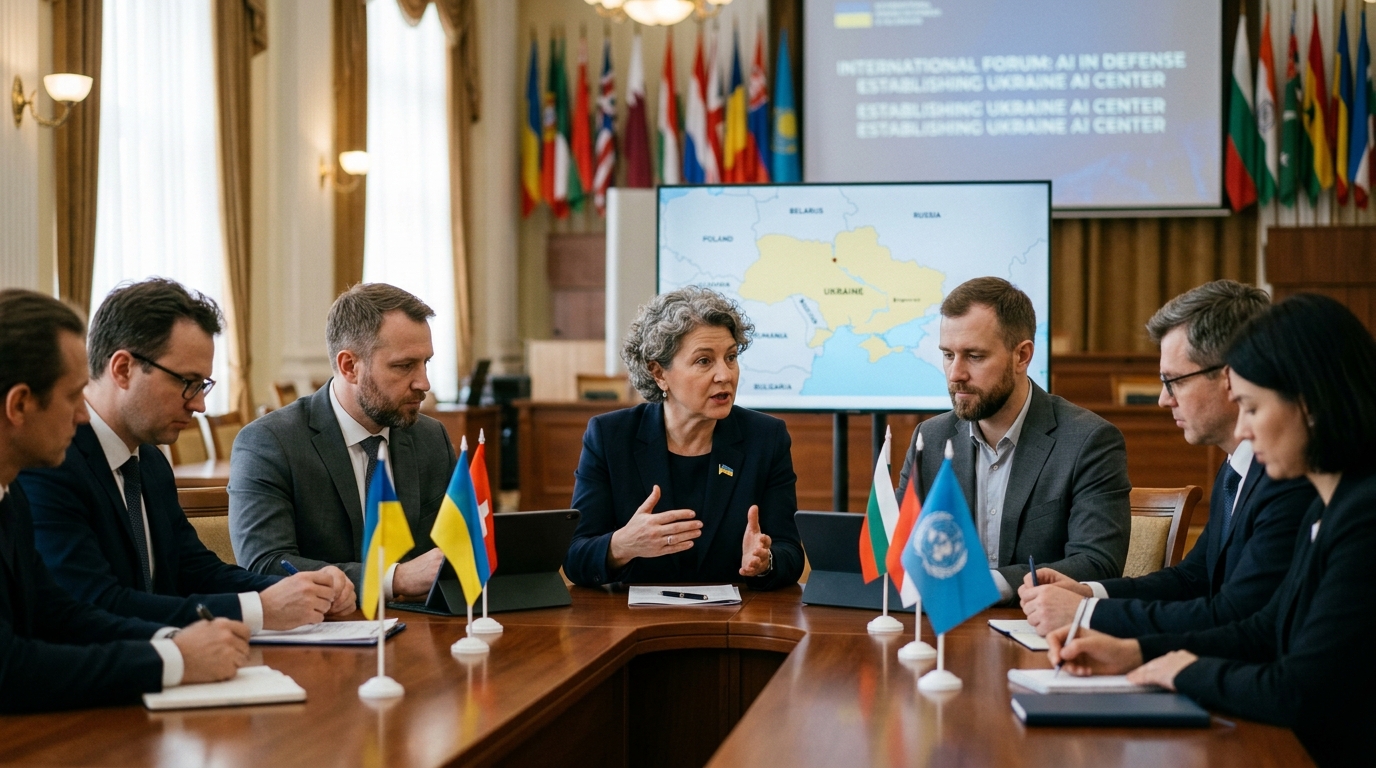
In the heart of a conflict that has already reshaped the geopolitical architecture of the 21st century, Ukraine is making a move that signals a full transition into the era of "algorithmic warfare." The country's Ministry of Defense has announced the establishment of a specialized Artificial Intelligence Center (AI Center), an initiative aimed not merely at modernizing the armed forces, but at ensuring survival through technological superiority. In a war of attrition where resources are often lopsided, Kyiv is betting on machine intelligence to balance the scales.
The Architecture of Digital Defense
The new center will not function as an isolated bureaucratic entity, but as the nerve center of an ecosystem connecting the front lines with laboratories and strategic analysts. According to Ministry of Defense sources, the center's mission focuses on processing vast amounts of data in real-time. On the modern battlefield, information flows from thousands of sensors, drones, satellite imagery, and intercepted communications. The challenge is no longer gathering information, but the speed at which it is analyzed.
Artificial Intelligence will be used to automate target recognition, optimize supply chains, and, most importantly, predict enemy movements through advanced simulation models. Ukraine has already demonstrated its ability to integrate cutting-edge technologies, such as the "Delta" system, which provides commanders with a comprehensive, real-time picture of the battlefield. The new center is expected to evolve these tools, incorporating machine learning capabilities that allow systems to "learn" from every engagement.
Drones and Autonomous Systems: The Tip of the Spear
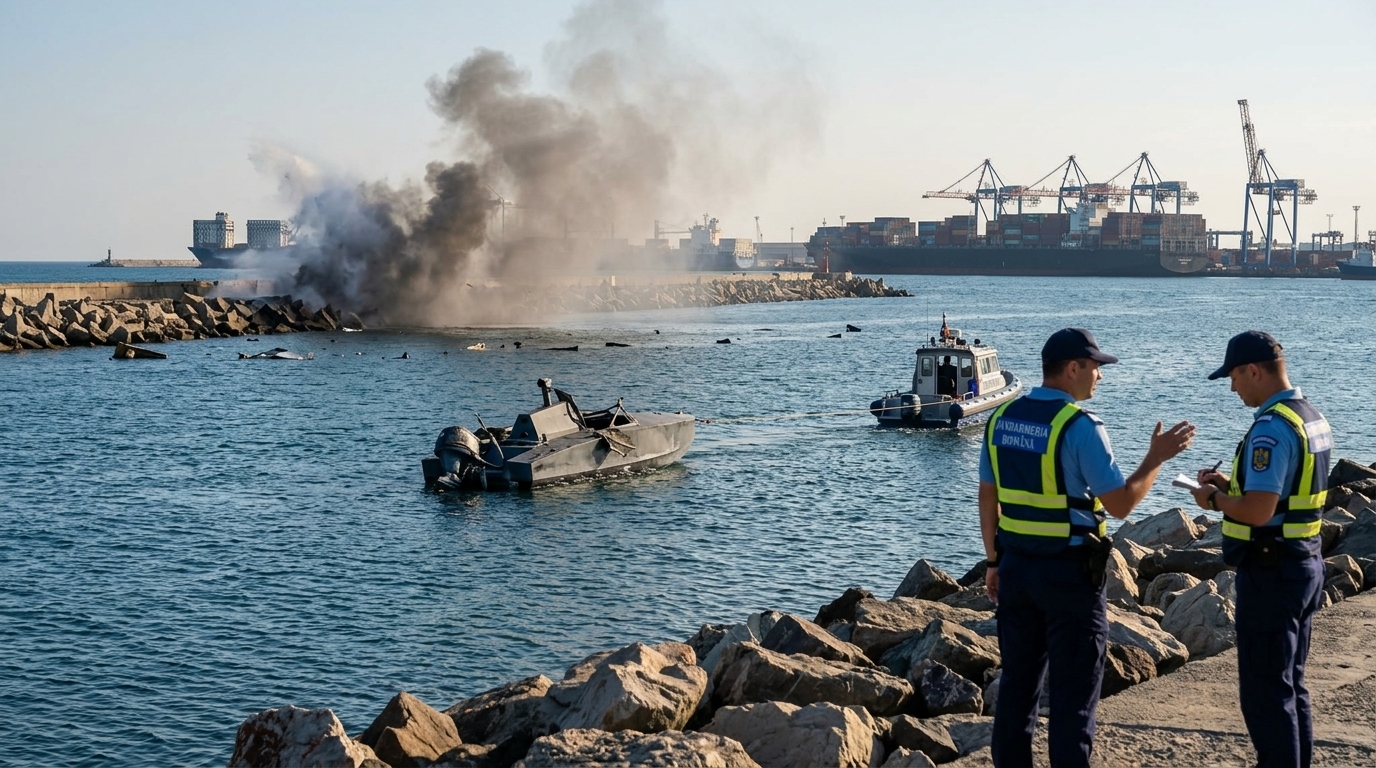
Perhaps the most critical aspect of the center's activity involves the development of autonomous systems. Unmanned Aerial Vehicles (UAVs) have emerged as the ultimate protagonist of the war in Ukraine. However, the use of Electronic Warfare (EW) by the Russian side makes remote-controlled drones vulnerable. The solution promoted by the AI Center is "autonomous navigation" and "edge AI" target recognition.
- Jamming Resistance: Drones that can complete their mission even if they lose connection with the operator, using visual terrain recognition.
- Swarm Intelligence: The ability for multiple units to communicate with each other and attack in a coordinated fashion, overwhelming enemy air defenses.
- Image Analysis: Automatic detection of camouflaged vehicles or artillery positions that the human eye might overlook.
This technological evolution transforms drones from simple observation tools into "smart" munitions, reducing risk to personnel and increasing the precision of strikes.
Geopolitical Implications and Ethical Dilemmas
The establishment of this center places Ukraine at the forefront of a global debate on the ethics of AI in warfare. While the West debates the limitations of "Lethal Autonomous Weapons Systems" (LAWS), Ukraine is forced to develop them under the pressure of survival. Collaboration with tech giants like Palantir and Clearview AI has already provided Kyiv with tools that were considered science fiction a decade ago.
"Technology is no longer supportive; it is the very essence of our defense. The AI Center is our answer to quantity through quality," says a Ministry of Defense official.
This move also aims to establish Ukraine as a global Defense Tech hub after the war. The experience gained on the battlefield is invaluable and is already attracting interest from investors and military staffs worldwide. The AI Center is not just a tool of war, but a cornerstone for the country's future economy, which will be built on high technology and security.
Conclusions: The New Normal
The establishment of the AI Center by the Ukrainian Ministry of Defense highlights a harsh truth: the war of the future will be decided in bits and silicon chips as much as in the mud of the trenches. For Kyiv, AI is the "force multiplier" required to face a numerically superior opponent. For the rest of the world, it is a harbinger of how conflicts will be fought in the coming decades, where the speed of the algorithm will determine the fate of nations.