President Emmanuel Macron's two-day visit to Athens in April 2026 is not merely a routine diplomatic encounter; it represents the zenith of a multi-year effort to forge a robust axis of stability in Southeastern Europe. In an era where the global geopolitical landscape is shifting rapidly, the convergence of interests between Paris and Athens has acquired existential importance for the security architecture of the European Union.
Defense Cooperation as a Pillar of Stability
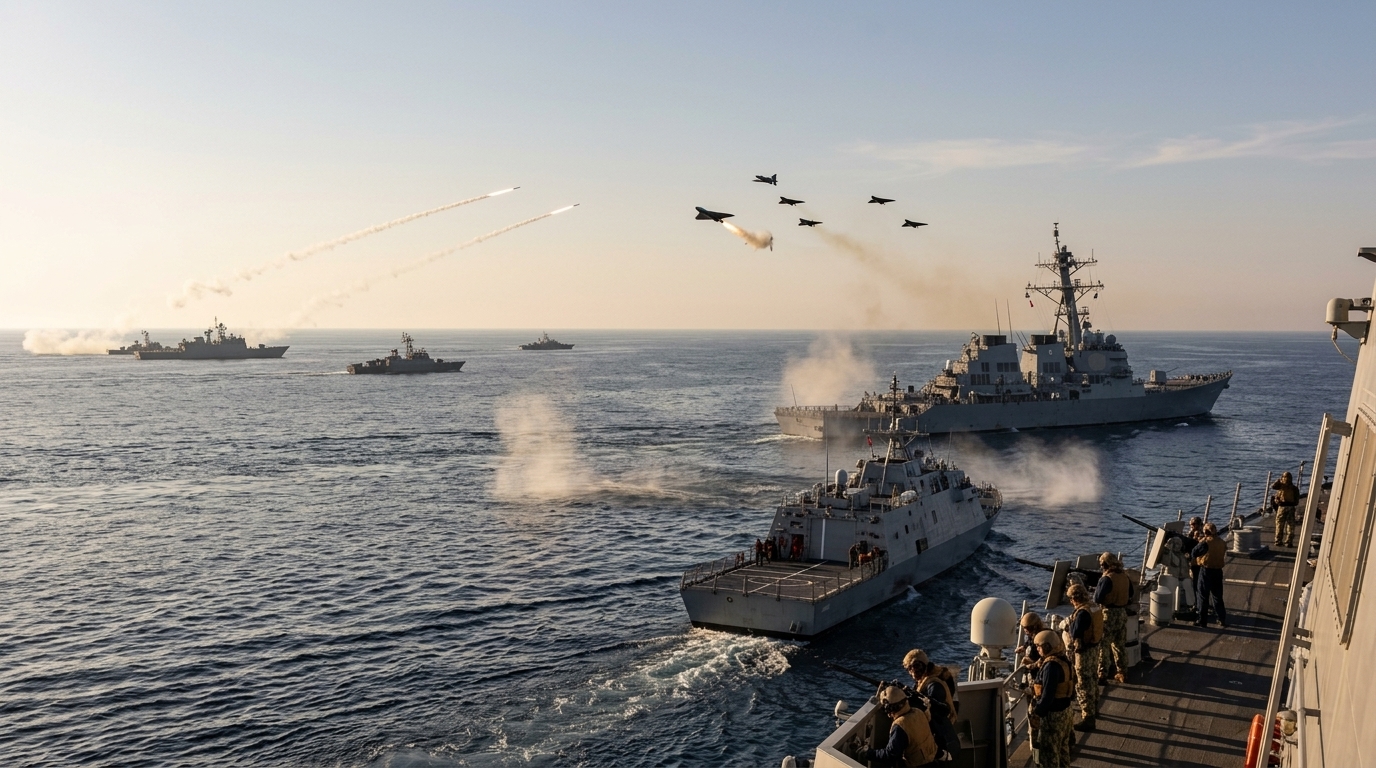
The core of the agenda remains the deepening of the defense agreement signed in 2021. With the delivery of the final Belharra frigates and the full operational integration of Rafale fighters into the Hellenic Air Force, Greece has drastically upgraded its deterrent power. However, Macron's visit signals a transition from simple arms procurement to a shared strategic doctrine. Discussions regarding the activation of the mutual defense assistance clause in cases of hybrid threats demonstrate that the alliance is adapting to 21st-century challenges.
- Increased frequency of joint exercises in the Eastern Mediterranean.
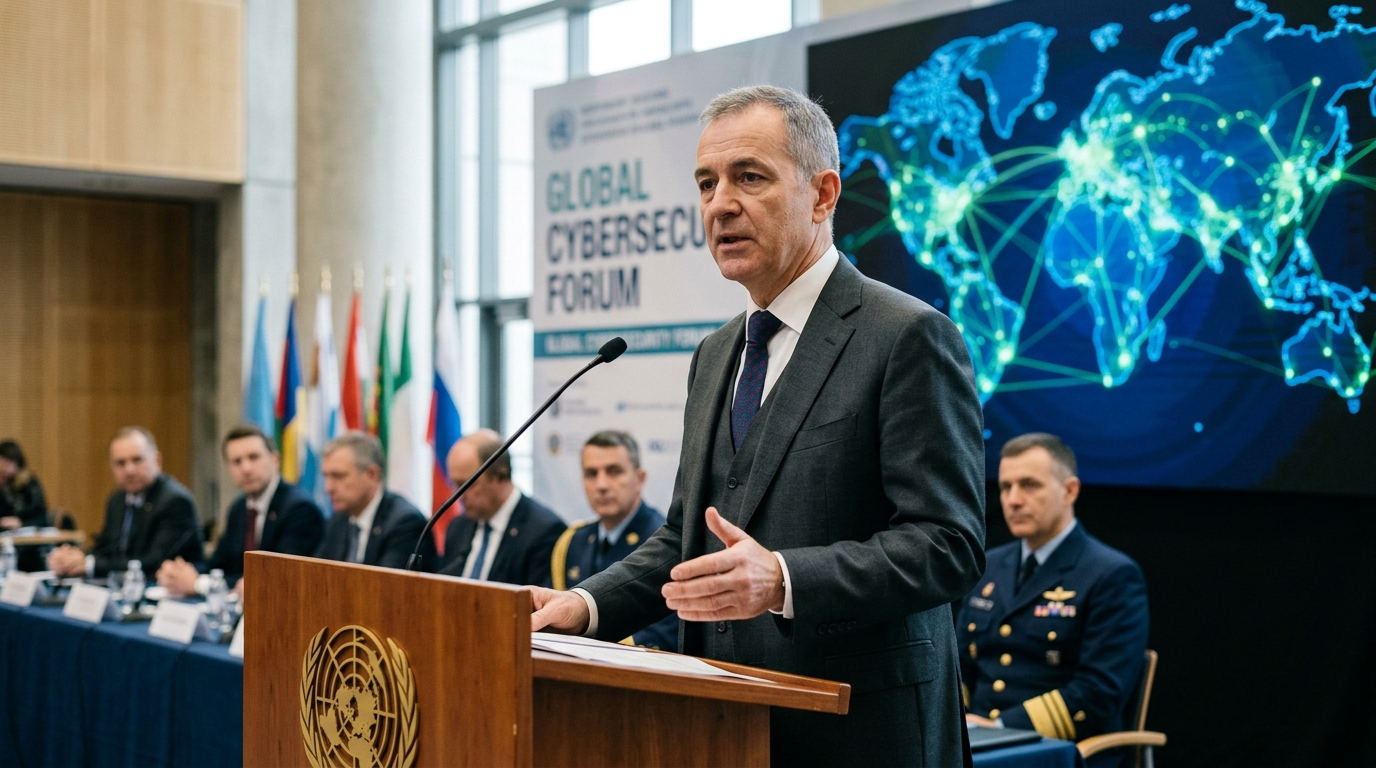
- Cooperation in cybersecurity and the protection of critical undersea infrastructure.
- Establishment of joint training programs for officers from both nations.
The French presence in the region is not just symbolic. For Paris, Greece serves as Europe's "bastion" in a region where revisionist powers attempt to redraw borders and spheres of influence. The alignment of views on the International Law of the Sea forms the legal and political bedrock of this partnership.
European Strategic Autonomy: Macron’s Vision
For Emmanuel Macron, the relationship with Greece is the "laboratory" for European strategic autonomy. At a time when reliance on the American security umbrella is being questioned due to domestic political developments in the US, France is pushing for a Europe capable of defending its interests autonomously. Athens, for its part, sees this vision as an opportunity to emerge as a central player in European affairs, moving beyond the role of a "good student" of fiscal discipline.
"Europe must learn the language of power, and the Franco-Greek alliance is the first page of this new chapter," a senior French diplomat remarked.
The cooperation extends into the energy sector. Greece's emergence as an energy hub for transporting natural gas and green energy from the Eastern Mediterranean to Europe coincides with the French pursuit of energy independence from unstable suppliers. French energy giants are showing increased interest in hydrocarbon exploration south of Crete, linking economic interests with geostratic protection.
Challenges and the Future of the Relationship
Despite the excellent level of relations, there are challenges that require delicate handling. The management of migration flows remains a thorny issue, with Athens demanding more practical solidarity and Paris balancing between humanitarian rhetoric and domestic political pressure. Furthermore, the relationship with Turkey remains a constant equation. While France supports Greek positions, the need to maintain communication channels with Ankara for NATO cohesion and refugee management sometimes creates tactical divergences.
In conclusion, Macron's 2026 visit to Athens confirms that Franco-Greek friendship has evolved into a deep institutional alliance. It is no longer just about the historic slogan "Hellas-France-Alliance," but a conscious choice by two states to jointly shape the future of the Mediterranean. The success of this relationship will be judged by its ability to produce results not only in the field of defense but also in the economic prosperity and social cohesion of both peoples.