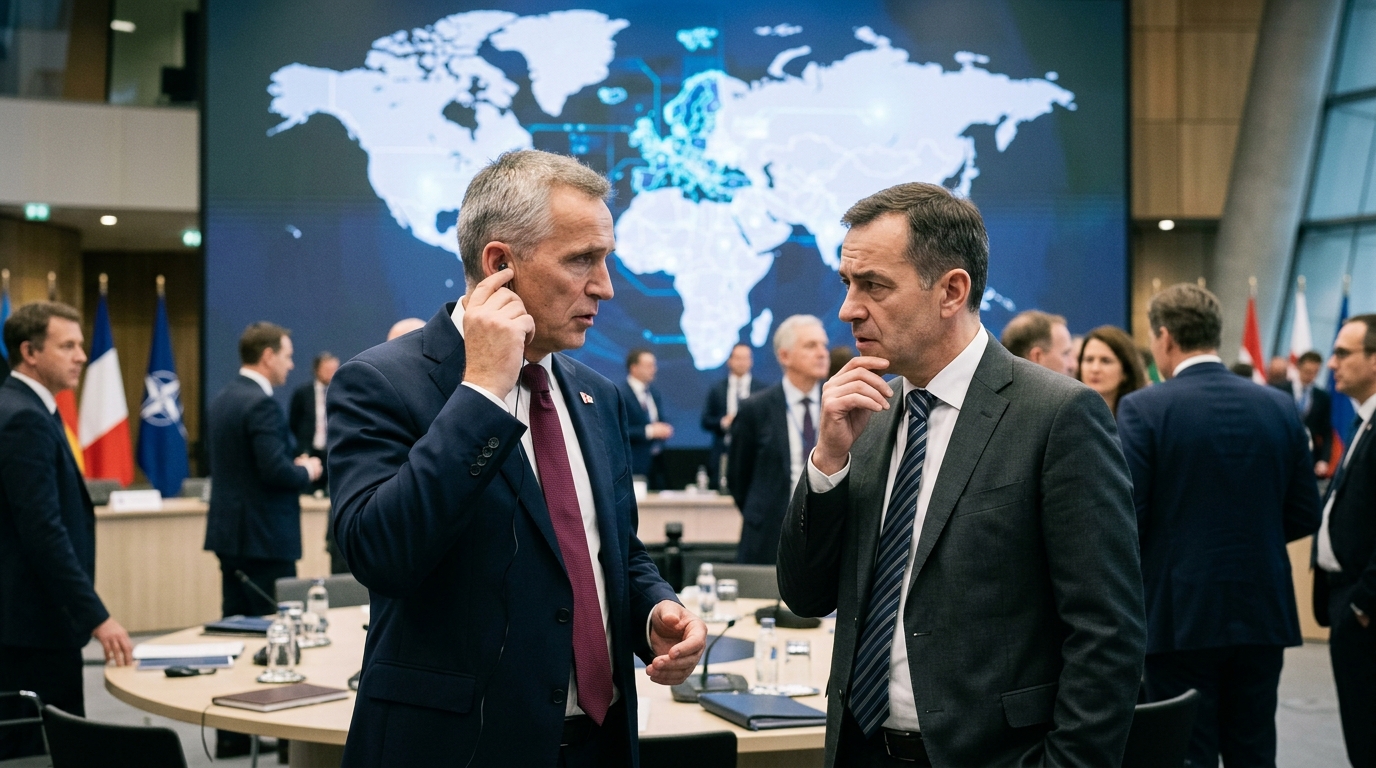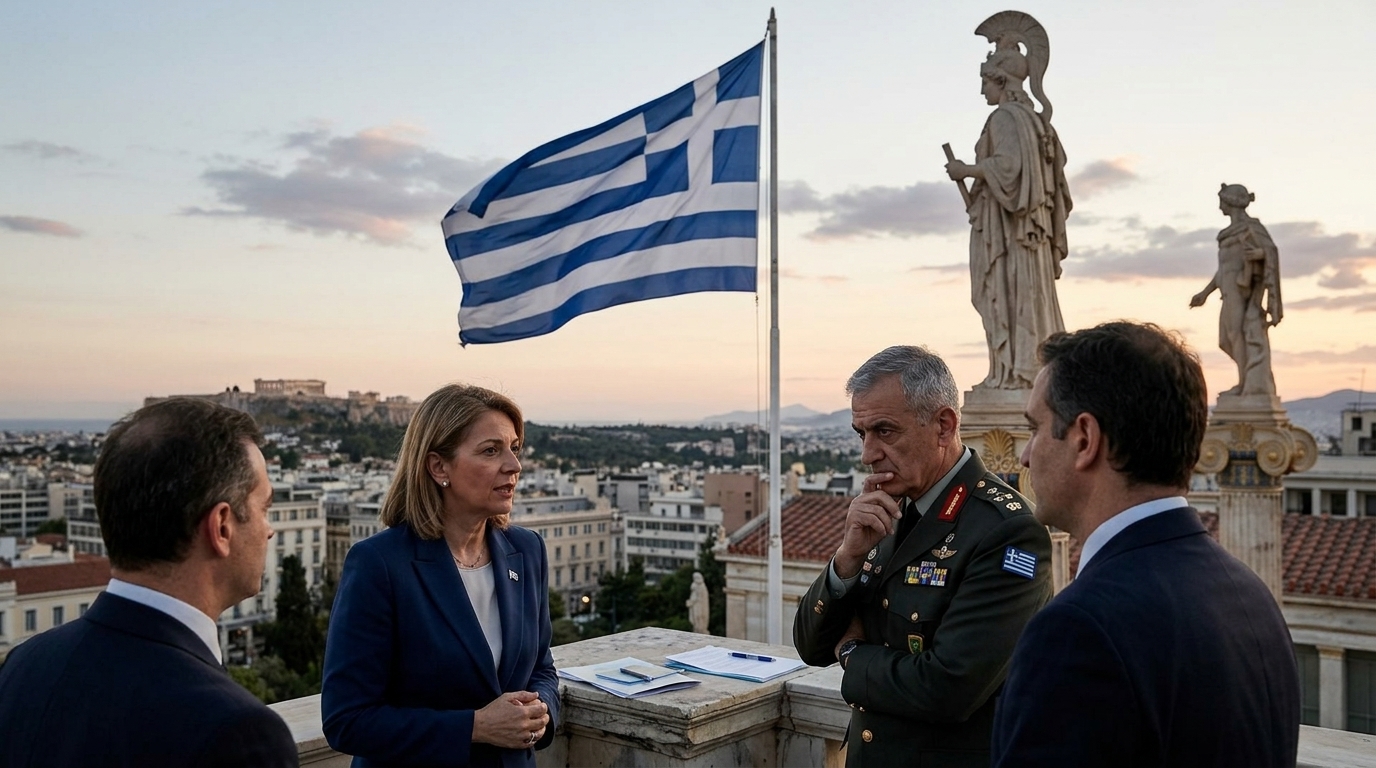
Greek foreign policy stands at a critical juncture as the tectonic plates of Middle Eastern geopolitics shift violently. The recent escalation of tension involving Iran is not merely a regional conflict but a systemic challenge testing the resilience of the global economy and the security of energy routes. For Athens, the need for a "strategic reset" is no longer a theoretical diplomatic exercise but an imperative for survival and prominence in a changing world.
The "Pillar of Stability" Strategy Under Pressure
For decades, Greek diplomacy was largely monothematic, focused almost exclusively on Greco-Turkish relations and the Cyprus issue. However, the current decade has forced a broadening of horizons. Greece is now called upon to manage the repercussions of a war that, although not fought within its borders, directly impacts its national security through migration flows, shipping safety, and energy supply. Athens has invested heavily in the narrative of being a "pillar of stability" in the Eastern Mediterranean, a strategy that requires delicate maneuvers as traditional balances in the region collapse.
Greece's participation in cooperation schemes such as the 3+1 (Greece, Cyprus, Israel, and the USA) and close ties with the Arab world—particularly the UAE and Saudi Arabia—form the backbone of this new approach. The challenge lies in maintaining these balances without becoming a direct party to the conflict, while remaining a reliable Western ally and an honest interlocutor for regional powers.
The Energy Map and Economic Implications
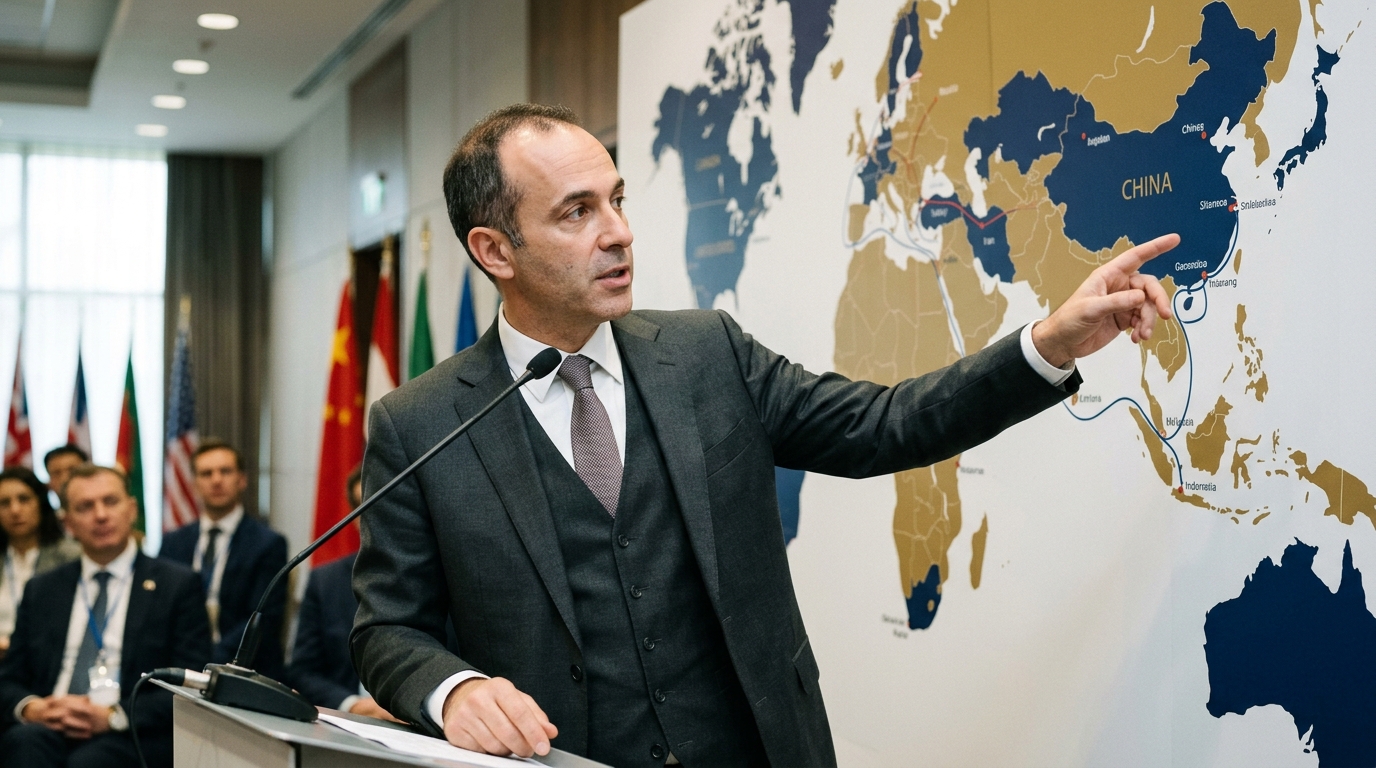
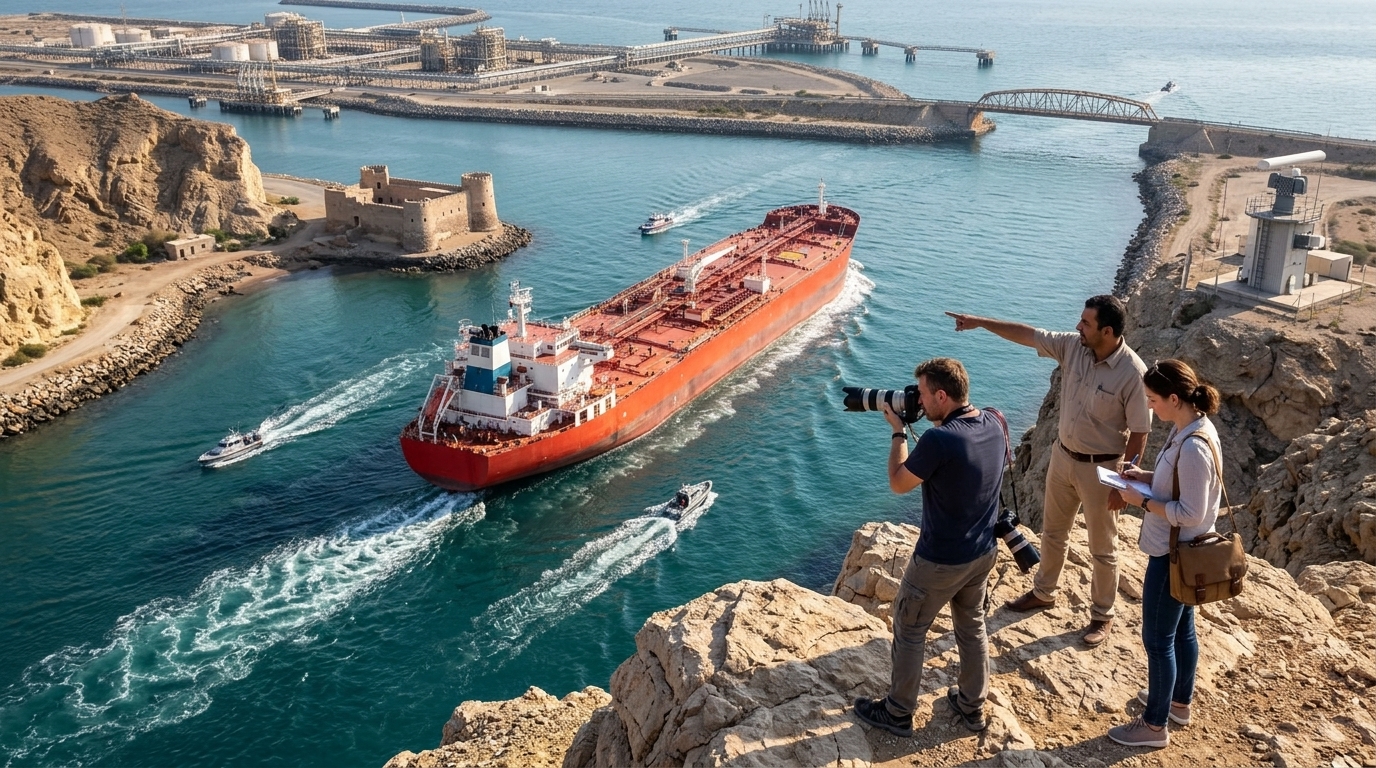
The crisis with Iran highlights Greece's immense importance as Europe's energy gateway. With decoupling from Russian gas now a permanent EU strategy, alternative routes through the Mediterranean have acquired existential importance. The FSRU terminal in Alexandroupolis and the prospects of the GREGY electrical interconnectivity with Egypt place Greece at the heart of energy planning. However, instability in the Gulf and threats to navigation in the Strait of Hormuz and the Red Sea increase transport costs and market uncertainty.
- Increased insurance costs for the Greek-owned fleet, which remains the spearhead of global shipping.
- Risk of new inflationary pressures due to rising oil and gas prices.
- Need for faster implementation of infrastructure projects to make Greece an independent energy hub.
The Greek government must accelerate diplomatic initiatives to protect trade routes, actively participating in European and international security missions, such as Operation "Aspides." This active involvement strengthens the country's geopolitical footprint but simultaneously increases demands for defense spending and operational readiness.
Migration as a Geopolitical Tool
Another crucial aspect of the reset involves the management of migration flows. Destabilization in the Middle East and the potential involvement of Iran in a wider war could trigger new waves of refugees toward Europe, with Greece on the front line. Athens must ensure that migration is not weaponized by third parties, as has happened in the past, while demanding a fairer distribution of burdens within the European Union.
"Geography is destiny, but strategy is a choice. Greece cannot change its position on the map, but it can choose not to be a mere spectator of developments," note analysts at the Ministry of Foreign Affairs.
The reset of foreign policy also requires a new approach toward Turkey. In an environment of generalized instability, maintaining "calm waters" in the Aegean is a necessary condition for Athens to focus on challenges from the South and East. This does not mean retreating from red lines, but rather a realistic management of differences to avoid a second front of tension.
Conclusions for the Future
Greece in 2026 must prove it possesses the depth and flexibility to navigate one of the most dangerous periods in modern history. The foreign policy reset is not just about alliances but also about the internal strengthening of the country—economically, militarily, and socially. The success of this effort will determine whether Greece remains a passive recipient of crises or emerges as a true shaper of developments in the broader Eastern Mediterranean and Balkan region.