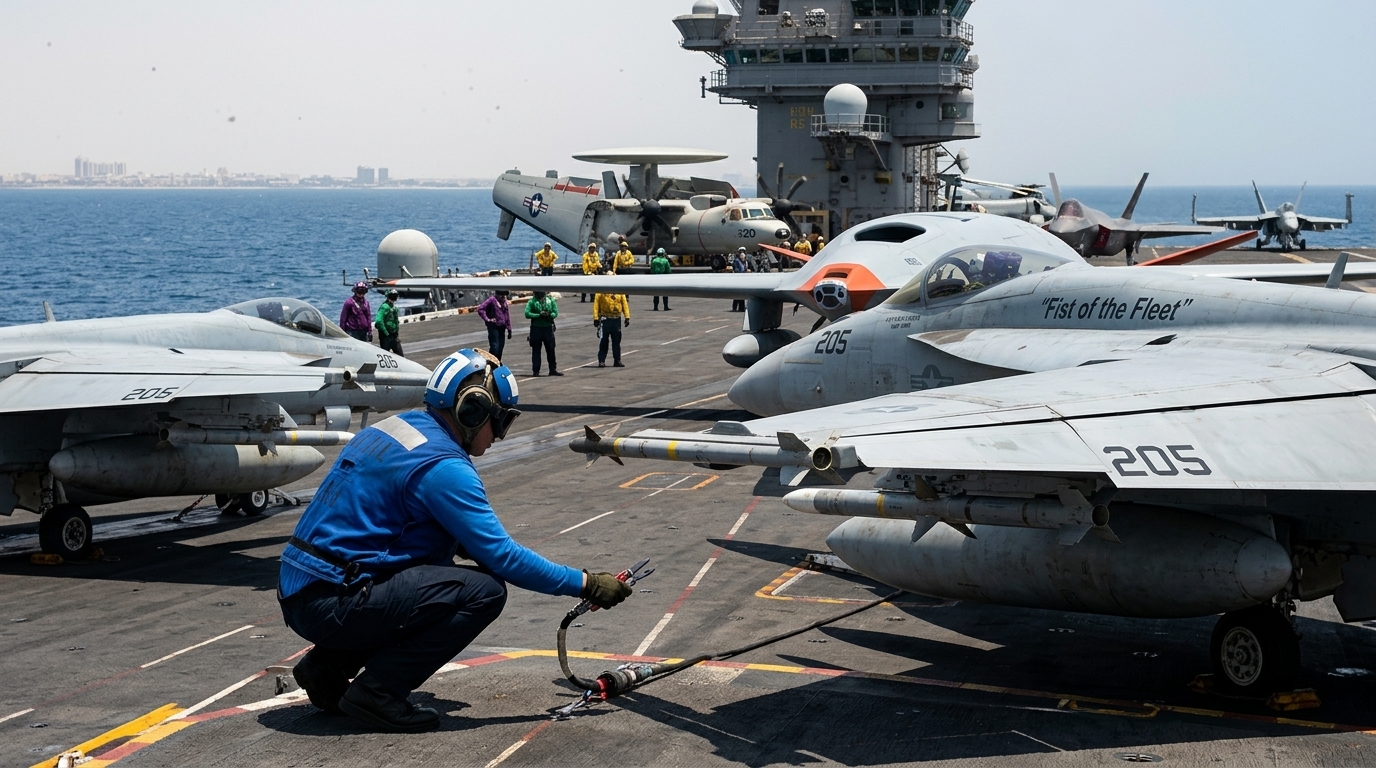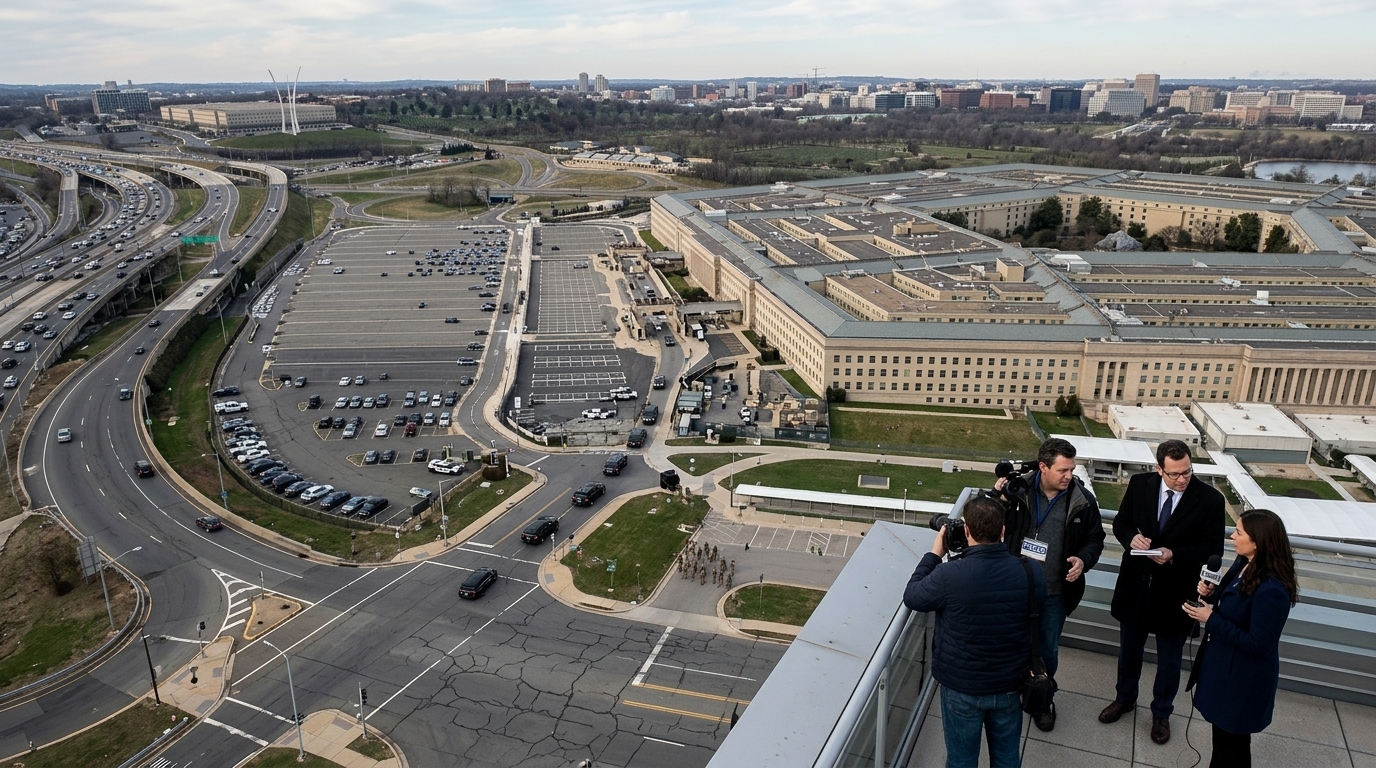
The news reported by Reuters, citing internal sources from the Pentagon, has sent shockwaves through European capitals. The revelation that Washington is exploring scenarios for the potential expulsion of Spain from NATO is not merely a diplomatic chill; it signals a deep-seated crisis of confidence that has been simmering for years. At the heart of the dispute lies a complex equation involving the foreign policy of the Sánchez government, defense spending, and the strategic role of US military bases on the Iberian Peninsula.
The Strategic Value of Spain and the ‘Thorn’ of the Bases
For decades, Spain has been the cornerstone of the American presence in the Mediterranean and the Atlantic. The naval base at Rota and the air base at Morón de la Frontera are not just military installations; they are the nerve centers for US power projection toward Africa and the Middle East. Rota, in particular, hosts the Aegis destroyers that form a vital part of NATO’s missile defense shield.
However, Washington appears to be re-evaluating this dependency. Discontent stems from the belief that Madrid is using its geographical position as a "shield" to pursue a foreign policy that often clashes with US interests. Spain's recent moves regarding the Palestinian issue, its hesitant stance on naval operations in the Red Sea, and its close ties with powers that Washington views as competitors have created a volatile mix.
The Legal Paradox and Political Reality
Legally speaking, NATO lacks a formal mechanism to expel a member. The North Atlantic Treaty only provides for voluntary withdrawal (Article 13). Therefore, the Pentagon’s "investigation" may be more of a leverage tool than an immediate legal threat. Nevertheless, political isolation can be just as devastating. If the US decides to relocate its strategic infrastructure to Morocco or Italy, Spain would find itself in a geopolitical vacuum, losing its influence within the Alliance.
- Spain’s refusal to raise defense spending to 2% of GDP remains a persistent point of friction.
- Madrid’s divergence from the NATO line on critical Southern fronts is viewed by many as "infidelity."
- The potential relocation of the Rota base to Morocco is being discussed with increasing frequency in Washington’s corridors.
The Future of the Alliance
If the Pentagon's threats materialize, the consequences for European security would be seismic. A Spain outside of NATO would mean the collapse of the southern wing's cohesion at a time when Russia and China are increasing their presence in the Mediterranean and Africa. Furthermore, it would set a dangerous precedent for other countries that disagree with Washington’s central line.
"The unity of the Alliance is tested not by its enemies, but by the inability of its members to align national ambitions with collective security," says an analyst from the Council on Foreign Relations.
The Sánchez government is now called to walk a tightrope. On one hand, internal political pressure for an independent voice, and on the other, the raw reality of military dependence on the US. The Reuters report may be the final warning before the rift becomes permanent.